
- Food & Beverages
A Food & Beverage eCommerce Agency Built for the Reorder, Not the First Order
Catalog, subscription, acquisition, conversion and delivery experience for food and drink brands — run by one team, because a consumable business that only sells first orders is a business losing money politely.
- Merchandised around consumption cycles rather than one-off baskets
- Subscription and replenishment designed to survive the second delivery
- Freshness, shelf life and delivery treated as conversion content
+57%
Food revenue growth
+2.7x
Subscriber growth
+44%
Repeat purchase rate
3.3x
Blended ROAS
- The problem
Food & beverage challenges we solve
Consumables have thin margins, real shipping costs and a customer who will only be profitable on the third order. Every part of the growth plan has to be built around that arithmetic.
Margins that punish mistakes
Low unit margin means an unprofitable acquisition channel is not a rounding error, it is the whole quarter.
Shipping costs more than the product
Weight, volume and cold chain make delivery a first-class commercial decision rather than a fulfilment detail.
Shelf life and freshness
Stock dates limit what can be promoted, discounted and shipped, and the site usually knows nothing about it.
One-off baskets in a repeat category
People eat and drink on a cycle. Selling as though every order is a one-off leaves the entire business model unused.
Subscriptions that churn after delivery two
Sign-ups are easy. Surviving the moment the customer realises how much product is arriving is the hard part.
Regulated labelling and claims
Allergens, nutrition, origin and health claims are all constrained, and getting them wrong is expensive.
Bundle and size complexity
Formats, multipacks and variety packs multiply SKUs and confuse the choice at exactly the wrong moment.
Occasion and diet search missed
People search by diet, occasion and craving. Catalogs organised by product type never meet that search.
- What we run
Our eCommerce services for food & drink brands
The same eight disciplines we run for every client, applied to a low-margin, high-repeat, logistics-constrained category. Each card links to the service page.
This page covers how those services change for food and drink. The service pages hold the full methodology, deliverables and pricing.
- The journey
The food & beverage customer journey
Food buying is a habit forming or failing. Somebody discovers a brand, tries a small order, likes it, works out how much they actually get through, and then either subscribes or forgets.
Discover
Try
Taste
Reorder
Subscribe
Expand
Advocate
Discover
Social, creators, search and paid media introduce the brand at the moment a craving or a diet decision is live.
Try
Trial sizes, taster bundles and first-order offers lower the risk of an unfamiliar taste.
Taste
The product does the work — but the packaging, the instructions and the first experience frame it.
Reorder
Consumption timing decides the reorder window, and almost nobody measures it properly.
Subscribe
Subscription converts a good habit into predictable revenue, provided the cadence matches real usage.
Expand
Range expansion, variety packs and gifting turn one product into a basket.
- Merchandising
Repeat purchase, subscription & replenishment
This is the whole category in one section. Food and drink brands do not have an acquisition problem so much as a second-order problem, and the second order is a design decision rather than a hope.
We model how quickly each product is actually consumed, then build the merchandising, subscription and messaging around that number. Cadence that matches real usage is the difference between recurring revenue and a cancellation after delivery two.
- Consumption cycles modelled per product, size and household type
- Subscribe-and-save framed on convenience and value rather than lock-in
- Flexible cadence, plus pause, skip and swap offered before cancellation
- Bundles and variety packs built from what customers already reorder together
- Replenishment reminders timed to when the product actually runs out
- First-delivery onboarding designed to survive the volume reality check
- Failed payment and dunning recovery handled properly
- Reported on active subscribers and retention curve, not sign-ups
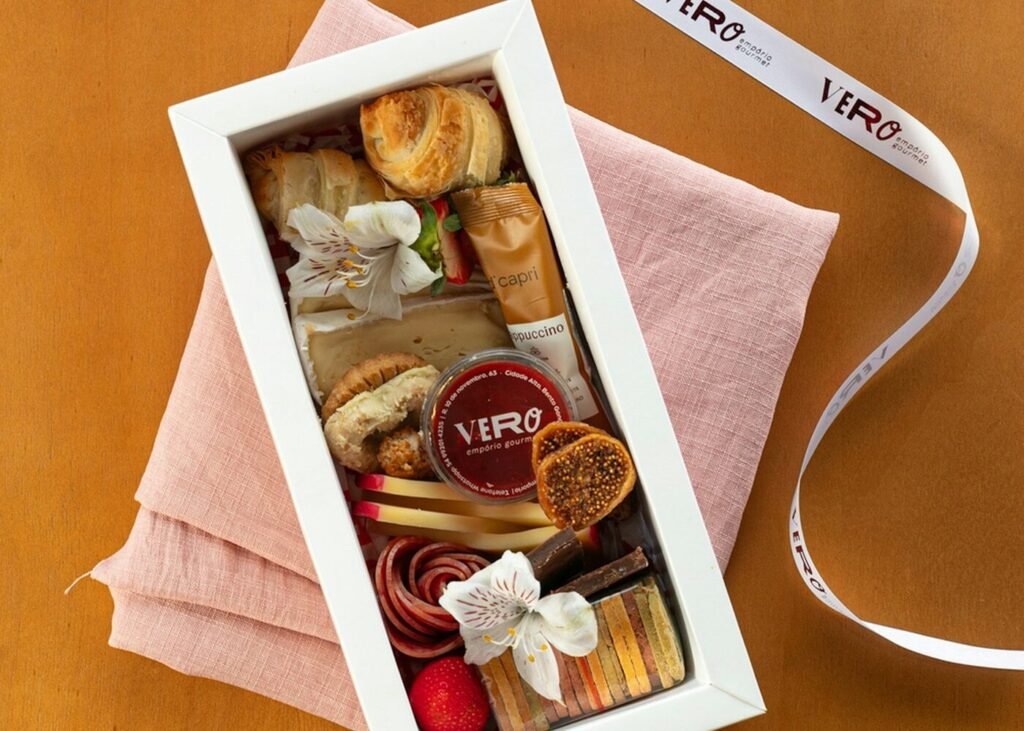
Cadence matched to real consumption is the single biggest lever in consumable eCommerce.
- Acquisition
SEO, paid media & social commerce
Food demand is emotional at the top and practical at the bottom. Both halves need running against contribution margin, because this category cannot absorb inefficient spend.
Organic
Diet, occasion and recipe queries bring people in long before they know your brand exists, and they compound for years.
- Diet, occasion and category SEO
- Recipe and usage content that ranks and sells
- Product SEO across formats and pack sizes
- Internal linking from content into collections
- Visibility tracked by occasion cluster
Paid
Thin margins mean paid has to be run on contribution, not ROAS. We structure spend and offers accordingly.
- Google Shopping and Performance Max
- Search on category, diet and competitor terms
- Meta prospecting with appetite-led creative
- First-order offers priced against lifetime value
- Retargeting focused on trial-to-subscription
Social & creator
Food travels well on video, and taste is the one claim a creator can make more persuasively than a brand can.
- Creator partnerships built around genuine use
- Recipe and usage video as performance creative
- TikTok Shop where you sell there
- UGC licensed and reused across channels
- Sampling programmes designed to convert
The underlying method lives on eCommerce marketing, eCommerce SEO and paid advertising.

- Conversion
Conversion & the food shopping experience
Three questions decide a food purchase: will I like it, is it right for my diet or household, and is it going to arrive in good condition.
Discovery & choice
Helping somebody choose from a range they cannot taste.
- Diet, occasion and taste-profile navigation
- Filtering by dietary need, allergen, format and size
- Trial and taster bundles that lower first-order risk
- Build-your-own box experiences where the range suits
- Mobile-first browsing throughout
Product page & appetite
The page where the product has to be tasted with the eyes.
- Food photography that sells the experience
- Ingredients, nutrition and allergens presented clearly
- Origin, process and provenance where it adds value
- Serving suggestions and recipe context
- Reviews filtered by taste preference and diet
Cart & checkout
Protecting margin while removing friction.
- Free-shipping thresholds set from real basket economics
- Subscription framed as a benefit at the right moment
- Multipack and bundle upgrades that raise contribution
- Delivery dates and freshness windows stated clearly
- Checkout tested on mobile before desktop
Every change is measured on conversion rate, contribution per order and repeat rate together.
- Delivery
Freshness & delivery experience
For anything perishable, the delivery is the product arriving in a condition the customer will accept. Where it applies, this is the section that decides whether the brand survives its own logistics.
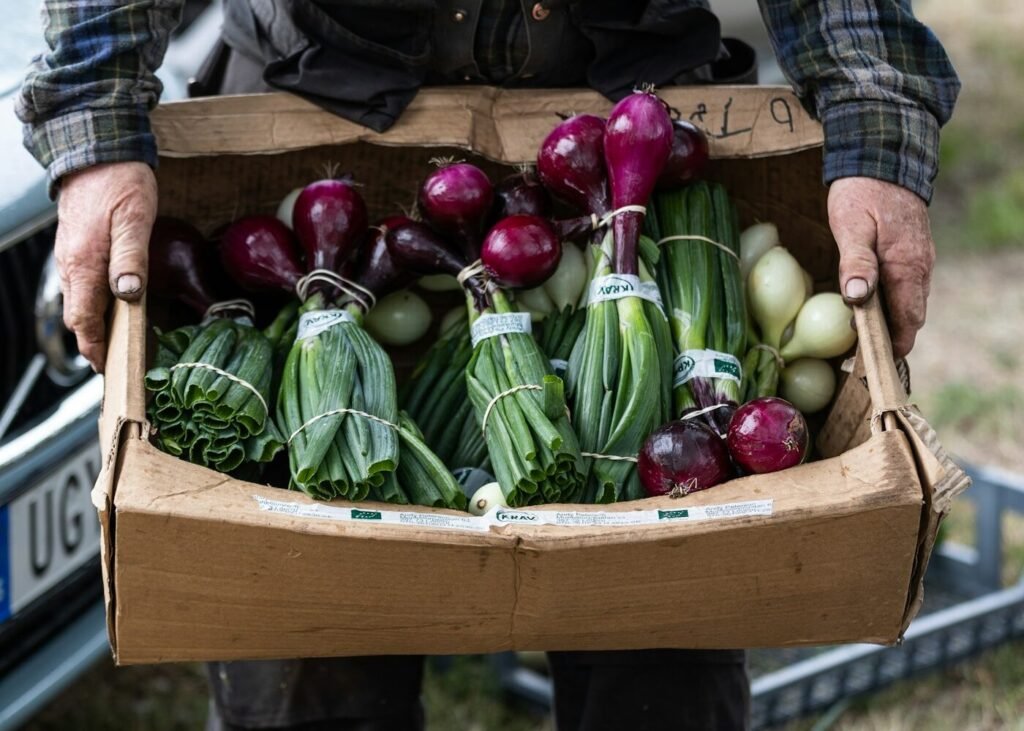
Where perishability applies, delivery clarity is a conversion lever and a refund-cost lever at once.
Freshness and delivery are commercial decisions, not fulfilment details. Which SKUs can ship where, what the cut-off is, how the cold chain holds up in July, and how much of that the customer needs to be told before they order.
- Shelf life and best-before logic reflected in what is sold and promoted
- Delivery windows and cut-off times stated before the cart
- Cold chain and seasonal shipping constraints handled honestly
- Packaging expectations set so arrival condition is not a surprise
- Regional availability made clear rather than discovered at checkout
- Post-order communication through the delivery window
- Damage and quality issues resolved without making the customer chase
- Delivery feedback fed back into packaging and routing decisions
- Retention
Retention, loyalty & customer lifetime value
A consumable customer becomes profitable somewhere around the third order. Everything in retention is about getting them there before the acquisition cost catches up.
First order
First delivery
Reorder
Subscription
Range expansion
Advocacy
Lifecycle messaging
- Welcome, serving and storage onboarding
- Replenishment timed to real consumption
- Cart and browse recovery
- Win-back built on the reorder window
Subscription retention
- First-delivery onboarding that survives the volume shock
- Cadence adjustment offered before cancellation
- Variety and swap options to prevent palate fatigue
- Churn reasons captured and acted on
Range expansion
- Cross-sell into adjacent products and formats
- Seasonal and limited-edition campaigns
- Gifting and occasion merchandising
- Multipack upgrades that raise contribution
Measurement
- Repeat rate and time-to-second-order by cohort
- Subscriber retention curve and churn reasons
- Lifetime value against acquisition cost by channel
- Contribution after shipping, packaging and discounts
- Platforms
Platforms & marketplaces for food & drink brands
Perishability and weight decide which channels are worth being on. We work that out first, then run the ones that make money.
DTC commerce
Where subscription, customer data and the freshness promise all belong to you.
Marketplaces
Real demand for shelf-stable food and drink, with strict labelling and listing rules.
Selling on several at once? Marketplace management & marketing covers the multi-channel side, and platforms lists everything we support.
- By business model
Growth solutions by food & drink business model
A coffee subscription, a speciality grocer and a meal-kit business share a category and almost nothing else.
Your business model
Where we focus
DTC food & drink brands
Consumption-led merchandising, trial mechanics, subscription design and contribution-based media buying.
Speciality & fine food retailers
Catalog governance across many suppliers, occasion and diet category SEO, and gifting seasonality.
Coffee, tea & beverages
Subscription as the core model, taste-profile discovery, and grind or format complexity handled cleanly.
Meal kits & prepared food
Cadence and menu rotation, delivery-window logistics, and first-delivery retention as the critical moment.
Health & functional food
Regulated claims, goal-led merchandising and replenishment tied to a usage protocol.
Marketplace sellers
Shelf-stable SKU selection, labelling compliance, listing quality and marketplace advertising.
Gifting & hampers
Sharp seasonal peaks, personalisation, delivery-date guarantees and capacity-aware promotion.
Alcohol & regulated drinks
Age verification, jurisdiction rules, restricted advertising and channel-specific compliance.
- How we work
Our food & drink eCommerce growth framework
The same six-stage method we run for every client, with margin, perishability and repeat cycles built into each stage.
01
Understand
Your category, customer, unit economics, shelf life, delivery model and seasonality.
02
Audit
Store, catalog, subscription programme, marketing, technology and performance including repeat rate.
03
Strategize
Prioritise growth opportunities by contribution after shipping, not by revenue.
04
Execute
Management, marketing, creative and technology delivered by one team against one plan.
05
Optimize
Data, testing and iteration on the pages, campaigns and flows that move repeat rate and margin.
06
Scale
Push the winning products, channels and regions, and stop funding what only looks good on a dashboard.
- Why us
Why food & beverage brands choose us
Because we plan around contribution margin and the second order rather than celebrating a first-order ROAS that never pays anybody.
eCommerce-first expertise
Every discipline here exists to move a commerce number in a thin-margin category.
Repeat-purchase thinking
Consumption cycles modelled properly, then used to drive merchandising, email and subscription.
Multi-channel growth
Store and marketplaces run by one team and reported as one blended contribution number.
Management plus marketing
The people running your catalog and the people buying your media sit in the same standup.
Appetite-led creative
Food photography and video produced against what is converting, on a rhythm that beats fatigue.
Margin-aware media
Offers, thresholds and bidding built around contribution after shipping and packaging.
Delivery treated as product
Freshness, windows and regional availability handled in the funnel, not after the complaint.
Scalable systems
Subscription, feeds, flows and reporting built to grow without doubling headcount.
- Results
Food & beverage results
Three food and drink engagements, written the way we report internally. Figures are rounded and named brands are withheld under NDA.
Speciality coffee subscription
Good first-order volume, subscription churn above 45% between the first and second delivery.
Challenge
The default fortnightly cadence sent far more coffee than most households drank, so customers cancelled rather than adjust.
Strategy
Modelled consumption by grind and household size, made cadence adjustable at signup, and offered pause and swap ahead of cancel.
Services
Email & retention, CRO, development, store management.
+2.7x
Active subscribers
-31%
Churn
+1.8x
Lifetime value
Speciality food retailer
Four thousand SKUs organised by supplier, invisible for the diet and occasion searches customers actually run.
Challenge
Category structure mirrored the buying team rather than the customer, so organic traffic was almost entirely brand-driven.
Strategy
Built diet and occasion category architecture, added recipe content, and reworked internal linking and the product feed.
Services
eCommerce SEO, store management, paid advertising, creative.
+108%
Non-brand sessions
+57%
Organic revenue
+44%
Repeat rate
Functional drinks brand
Growing revenue, negative contribution after shipping on every single-can order.
Challenge
Free shipping was set at a threshold below the true cost, so the fastest-growing orders were the least profitable ones.
Strategy
Rebuilt basket economics, moved merchandising towards multipacks and subscription, and repriced offers against contribution.
Services
CRO, paid advertising, store management, email & retention.
+39%
Order value
+17pt
Contribution margin
3.3x
Blended ROAS
Closest matching case study — Verdano Foods, filed as CRO + BigCommerce + Food + Australia. See all six.
- Insights
Food & beverage insights
Three pieces from The Margin Memo that come up in almost every food and drink conversation we have.
Retention
The cancellation usually happens the moment the customer works out how much product is actually arriving.
SEO
Customers search by diet, craving and occasion. Most food catalogs are organised by whoever supplies the product.
Margin
How to work the threshold out from real basket economics instead of copying whatever the competitor is doing.
- FAQs
Food & beverage eCommerce FAQs
The questions food and drink brands ask us most often, answered properly.
What makes food and beverage eCommerce different?
Unit margins are thin, shipping is heavy relative to the product, and the customer only becomes profitable on the second or third order. That combination means acquisition has to be judged on contribution rather than ROAS, and the entire growth plan has to be built around repeat purchase rather than around first-order volume.
Can you set up or fix our subscription programme?
Yes, and it is usually where the biggest gain is. We model how quickly each product is actually consumed, make cadence adjustable at signup rather than after a complaint, put pause, skip and swap ahead of cancel in the flow, and rebuild first-delivery onboarding — which is where most food subscriptions lose people. We report on active subscribers and the retention curve, not on sign-ups.
How do you handle perishable products and delivery?
By treating delivery as part of the offer. Cut-off times, delivery windows, regional availability and seasonal shipping constraints all move forward in the journey so nobody discovers them at checkout. Where cold chain or shelf life limits what can ship where, that limitation shapes what is merchandised rather than being handled by refunds afterwards.
Our ROAS looks fine but we are not making money. Why?
Almost always shipping and packaging. Platform ROAS ignores both, so a channel can look profitable while every order loses money once the box is paid for. We rebuild reporting around contribution per order, reset free-shipping thresholds from real basket economics, and shift merchandising towards the basket sizes that actually pay.
Can you manage marketplaces as well as our own store?
Yes, with the caveat that perishability and weight decide which SKUs belong on which channel. Shelf-stable lines often do well on Amazon and the regional marketplaces; chilled and fresh usually do not. We work that out first, then run the channels that make money and report one blended number. Marketplace management & marketing covers that side.
How do you handle allergens, labelling and claims?
Ingredients, nutrition and allergen information are treated as required product data rather than as optional copy, and anything approaching a health claim is written inside the boundary that applies in your selling markets. For alcohol and other regulated drinks, age verification and jurisdiction rules are built into the store rather than bolted on.
What platforms do you work on?
Shopify and Shopify Plus, WooCommerce, BigCommerce, Adobe Commerce, Wix and Squarespace on the storefront side, plus the marketplaces listed above. Subscription capability and delivery-date logic matter more than usual in this category, so platform advice takes those requirements seriously.
How long before we see results?
Basket economics and conversion work show inside six to eight weeks. Subscription changes take two delivery cycles to read honestly, because the first cycle is where most churn happens. Diet and occasion SEO compounds over three to six months.
Tell us about your range
Send us your store, your unit economics and the number you want to move. We will come back with where contribution is leaking and what we would fix first.