
- Fashion & Apparel
A Fashion & Apparel eCommerce Agency Built Around Size, Fit and Season
Collection management, acquisition, conversion and retention for fashion and apparel brands — run by one team that owns the blended number instead of handing it between a store agency, a media buyer and a studio.
- Merchandising, marketing and creative planned against the same drop calendar
- Fit, sizing and returns treated as conversion work, not a customer-service problem
- DTC store and marketplaces reported as one contribution number
+58%
Fashion revenue growth
-34%
Return rate reduction
+47%
Repeat purchase rate
3.4x
Blended ROAS
- The problem
Fashion & apparel challenges we solve
Apparel does not behave like the rest of eCommerce. Margin, returns, seasonality and variant depth all pull in different directions, and a generic growth playbook quietly loses money in every one of them.
Size and fit uncertainty
Shoppers cannot try before they buy, so hesitation shows up first as abandoned carts and later as returns.
Returns eat the margin
Apparel return rates run far above other categories, and every return removes the profit from a sale you already paid to acquire.
Season moves faster than the roadmap
Drops, restocks and end-of-season markdowns arrive whether or not the store, the ads and the email programme are ready for them.
Variant sprawl
Colour and size combinations multiply SKUs, break product feeds and bury bestsellers behind poor merchandising.
Collection pages that do not rank
Category and collection URLs are the highest-intent pages you own, and most of them carry thin content, no internal links and duplicated metadata.
Creative fatigue on paid social
Fashion creative burns out in weeks. Without a production rhythm, acquisition cost climbs every month regardless of targeting.
One-time buyers
Acquisition is treated as the whole strategy, so the second purchase is never actually designed and lifetime value stalls.
Channel sprawl
Store, Amazon, marketplaces and social commerce are each managed separately, and nobody owns the blended contribution number.
- What we run
Our eCommerce services for fashion brands
The same eight disciplines we run for every client, applied to the way apparel actually sells. Each card links to the service page where scope, process and pricing live.
This page covers how those services change for apparel. The service pages themselves hold the full methodology, deliverables and pricing.
- The journey
The fashion customer journey
Apparel buying is a loop, not a funnel. Somebody discovers a brand on social, browses a collection, hesitates over fit, buys, receives, sometimes returns — and then either disappears or buys again. We work every stage of that loop.
Discover
Browse
Consider
Purchase
Experience
Return
Repeat
Discover
Social, creators, organic search and paid media bring the right shopper to the right collection rather than to a generic homepage.
Browse
Collection architecture, navigation and merchandising decide whether a visitor finds something they want in the first thirty seconds.
Consider
Product pages, imagery, size guidance and reviews carry the weight of a decision that would normally happen in a fitting room.
Purchase
Cart and checkout work removes the friction that turns an intent to buy into an abandoned basket.
Experience
Post-purchase communication sets delivery expectations and makes the unboxing feel like part of the brand.
Retain
Email, SMS, personalisation and loyalty turn a first order into a second, and a second into a habit.
- Merchandising
Fashion merchandising & catalog growth
Most apparel stores are not short of products. They are short of a structure that puts the right product in front of the right shopper at the right point in the season.
We treat the catalog as a merchandising system rather than a database. Category and collection architecture is designed around how people actually shop — by occasion, by season, by fit, by price band — and then kept current as stock moves.
- Category and collection architecture built around real shopping intent
- Product categorisation, attributes and tagging kept consistent across the catalog
- Size and colour variants structured so they help discovery instead of fragmenting it
- Seasonal collections, new arrivals and best sellers merchandised on a calendar
- Product discovery, search and filtering tuned to apparel attributes
- Cross-selling and bundling that reflects how outfits are actually assembled
- Promotions and markdowns planned against margin, not just sell-through
- Inventory-aware merchandising so you never advertise what you cannot ship
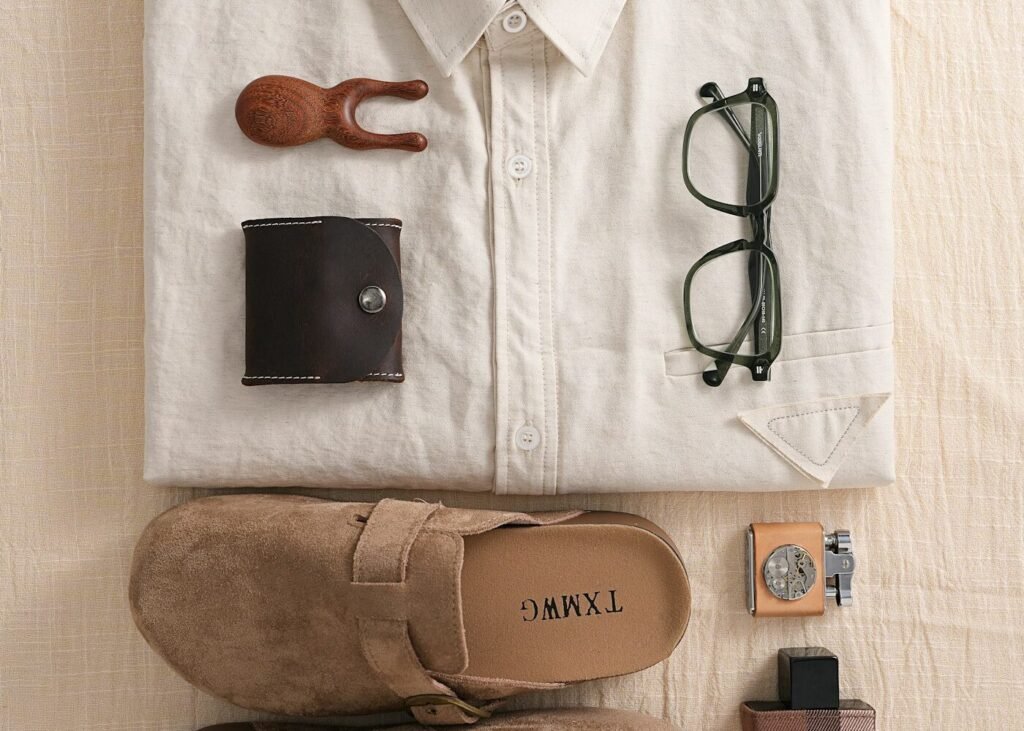
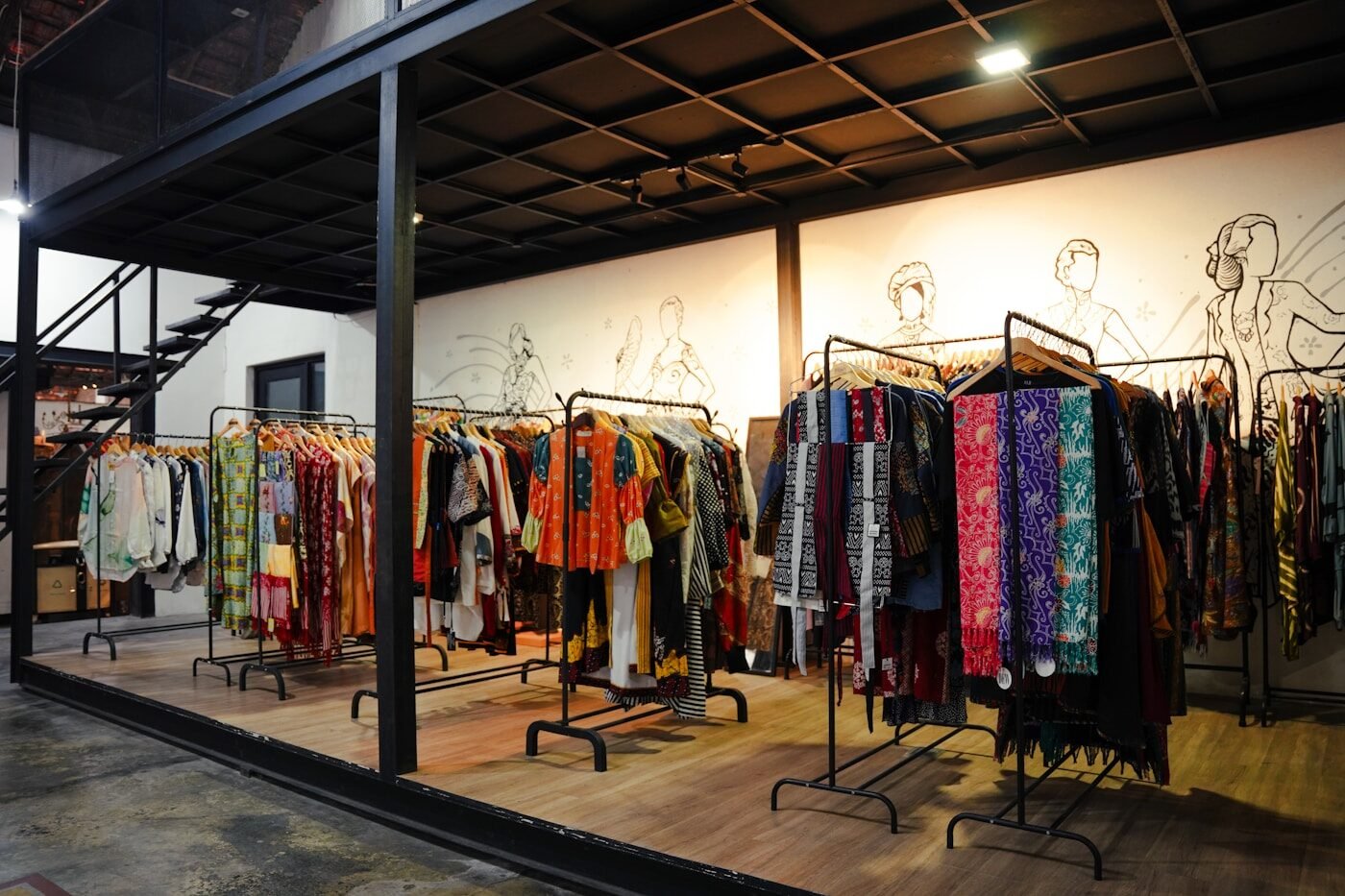
Collections, attributes and variants are the merchandising surface shoppers actually browse.
- Fit & returns
Size, fit & returns experience
A return is a sale you paid for twice and kept none of. Most apparel returns are decided long before checkout, on a product page that never answered the question the shopper was really asking.
Fewer wrong-size orders is the cheapest margin improvement available to an apparel brand.
We work returns as a conversion and margin problem together. Better fit guidance raises conversion because hesitant shoppers commit, and it lowers returns because fewer of them guessed wrong.
- Size guides written per fit block and per product type, not one chart for the whole store
- Model measurements and "size worn" detail on every product page
- Fit feedback from reviews surfaced where the decision is made
- Return-reason data read back into product copy, imagery and sizing
- Fabric, stretch and care detail treated as conversion content
- Exchange-first return flows that keep the revenue in the business
- Repeat-return patterns identified by product, size and cohort
- Acquisition
SEO, paid media & social commerce
Fashion demand starts in three different places, and they need three different disciplines running against one blended target rather than three separate reports.

Organic
Collections are the money pages. We build them into rankable, linkable assets and support them with editorial that earns the top-of-funnel terms.
- Category and collection SEO
- Product-level SEO at catalog scale
- Editorial and lookbook content
- Internal linking between collections, guides and products
- Search visibility tracked by collection, not just by keyword
Paid
Feed quality decides Shopping performance long before bidding does. We fix the feed, then structure spend around margin and season.
- Google Shopping and Performance Max
- Search on brand, category and competitor terms
- Meta prospecting and catalog ads
- Retargeting segmented by browse depth
- Creative testing on a production rhythm
Social commerce
Discovery increasingly happens inside the feed. We run the channels where fashion is found and, where you sell there, the shop behind them.
- Instagram shopping and creator-led discovery
- TikTok content and TikTok Shop where you sell there
- Creator briefs built from what is already converting
- Whitelisted and spark creative from top performers
- Attribution read blended, not per-platform
Paid, organic and social are planned together against one contribution target — the full method lives on eCommerce marketing, eCommerce SEO and paid advertising.

- Conversion
Conversion & the fashion shopping experience
Apparel conversion is decided in three places: whether they can find it, whether they believe it will fit, and whether checkout gets out of the way.
Discovery & navigation
Getting a shopper from a landing page to a product they want, quickly.
- Collection navigation and menu structure
- On-site search tuned to apparel language
- Filtering by size, colour, fit, price and occasion
- Product recommendations across the collection
- Mobile-first browsing, because that is where the traffic is
Product page & fit confidence
The page where a fitting room has to be replaced by imagery and information.
- Product imagery: on-model, detail, scale and movement
- Video and 360 views where they change the decision
- Size and fit information written per fit block
- Reviews and customer photography surfaced in context
- Cross-sells that complete an outfit rather than pad the cart
Cart & checkout
Removing the last, most expensive points of friction.
- Cart with clear delivery, returns and exchange terms
- Checkout tested on mobile before desktop
- Payment and wallet options matched to your markets
- Progressive disclosure instead of a wall of fields
- Post-add-to-cart cross-sells that raise order value
Every change is measured against conversion rate, average order value and return rate together — never one in isolation.
- Retention
Retention, loyalty & customer lifetime value
The second order is where fashion economics turn positive. It rarely happens by accident, so we design the path from first purchase to VIP deliberately.
First purchase
Post-purchase
Second purchase
Loyalty
VIP
Lifecycle messaging
- Email and SMS flows mapped to the loop above
- Welcome, browse and cart recovery sequences
- Post-purchase and delivery communication
- Win-back built on category and season timing
Personalisation
- Recommendations based on size, fit and category history
- Back-in-stock and low-stock alerts by variant
- New collection campaigns targeted by past purchases
- Cross-sell built around the wardrobe, not the SKU
Loyalty & VIP
- Loyalty mechanics that suit apparel purchase cycles
- VIP and early-access tiers for your best cohorts
- Customer segmentation by value and behaviour
- Referral built into the post-purchase moment
Measurement
- Repeat purchase rate tracked by cohort
- Lifetime value against acquisition cost by channel
- Time-to-second-order as a primary metric
- Contribution margin after returns and discounts
The full lifecycle methodology lives on email & retention marketing.
- Platforms
Platforms & marketplaces for fashion brands
Fashion demand sits across three layers of the stack. We connect them so the same catalog, the same creative and the same margin logic run everywhere you sell.
DTC commerce
Your own storefront, where brand, margin and customer data are all yours to keep.
Marketplaces
Where the demand already is. Different rules, different ad systems, same catalog discipline.
Selling on several at once? Marketplace management & marketing covers the multi-channel side, and platforms lists everything we support.
- By business model
Growth solutions by fashion business model
A five-person label launching its first drop and a multi-brand retailer with forty thousand SKUs both sell apparel. Almost nothing else about the work is the same.
Your business model
Where we focus
DTC fashion brands
Customer acquisition, conversion and retention run as one system, with contribution margin after returns as the number we report on.
Multi-brand retailers
Catalog and attribute governance, collection merchandising, category SEO at scale, and the operations to keep thousands of variants accurate.
Emerging fashion brands
Launch mechanics, audience building, creator-led awareness and an acquisition model that stays affordable as you scale it.
Established brands
Optimisation over expansion: conversion work, omnichannel growth, retention depth and margin recovery from returns and discounting.
Marketplace sellers
Listing quality, catalog structure, marketplace advertising and account health across every channel you sell on.
Luxury & premium
Presentation-led merchandising, restrained discounting, editorial content and a customer experience that matches the price point.
Fast fashion & volume
Drop cadence, feed automation, creative volume and markdown planning that protects sell-through without destroying margin.
Footwear & accessories
Size and width complexity, comparison-heavy product pages, and cross-sell built around the outfit rather than the single item.
- How we work
Our fashion eCommerce growth framework
The same six-stage method we run for every client, with the apparel specifics built into each stage rather than bolted on afterwards.
01
Understand
Your category, customer, margin structure, drop calendar and business model — before anybody touches an ad account.
02
Audit
Store, catalog, marketing, technology and performance, including return reasons and contribution by collection.
03
Strategize
Prioritise the growth opportunities by expected contribution rather than by how interesting they are to work on.
04
Execute
Management, marketing, creative and technology delivered by one team against one plan and one calendar.
05
Optimize
Data, testing and iteration on the pages, campaigns and flows that actually move revenue after returns.
06
Scale
Push the winning channels, collections and markets, and stop funding the ones that only look good on a platform dashboard.
- Why us
Why fashion & apparel brands choose us
Not because we are the cheapest, and not because we promise a number in the first call. Because the work holds together.
eCommerce-first expertise
We are not a general digital agency that also does eCommerce. Every discipline here exists to move a commerce number.
Fashion journey understanding
Size, fit, season, returns and drop cadence are built into the plan from the first week, not discovered in month four.
Multi-channel growth
Store, marketplaces and social commerce run by one team, reported as one blended contribution number.
Management plus marketing
The people running your catalog and the people buying your media sit in the same standup, so merchandising and spend never drift apart.
Performance creative
Creative produced against what is converting, on a rhythm that keeps ahead of fatigue instead of reacting to it.
Data-driven merchandising
Collection and promotion decisions made on sell-through, margin and return rate rather than on what looks good on the homepage.
Conversion-focused thinking
Every brief ends with what it is supposed to change: conversion rate, order value, return rate or repeat rate.
Scalable systems
Catalog structure, feeds, flows and reporting built so that doubling the SKU count does not double the headcount.
- Results
Fashion & apparel results
Three apparel engagements, written the way we report internally: what was wrong, what we changed, and what moved. Figures are rounded and named brands are withheld under NDA.
Contemporary womenswear, DTC
A Shopify brand growing on paid social alone, with returns above 40% and a second-order rate under 15%.
Challenge
Every incremental sale was bought, and a third of the revenue came back through returns within six weeks.
Strategy
Rebuilt size guidance per fit block, restructured collections around occasion, and designed a post-purchase and win-back programme.
Services
CRO, creative, email & retention, store management.
+41%
Conversion rate
-34%
Return rate
+47%
Repeat rate
Multi-brand footwear retailer
Twelve thousand variants on Adobe Commerce, strong brand search and almost no non-brand organic visibility.
Challenge
Collection pages were auto-generated, duplicated and effectively invisible outside brand terms.
Strategy
Rebuilt category architecture, wrote collection content against real demand, fixed the product feed and reworked internal linking.
Services
eCommerce SEO, store management, development, paid advertising.
+118%
Non-brand sessions
+62%
Organic revenue
3.9x
Shopping ROAS
Emerging streetwear label
Drop-based release model, strong community, no repeatable acquisition outside launch weeks.
Challenge
Revenue spiked on drop day and collapsed for the rest of the month, so cash flow and media buying were both unpredictable.
Strategy
Built an always-on creative and content rhythm between drops, opened TikTok Shop, and used waitlists to move demand forward.
Services
Creative & content, paid advertising, marketplace management, retention.
+2.8x
Between-drop revenue
3.4x
Blended ROAS
+58%
Total revenue
Closest matching case study — Lumen Atelier, filed as PPC + Shopify + Fashion + USA. See all six.
- Insights
Fashion & apparel insights
Three pieces from The Margin Memo that come up in almost every apparel conversation we have.
SEO
Collection URLs carry the highest commercial intent on an apparel site, and they are usually the thinnest pages in the whole catalog.
Conversion
What actually causes abandonment on a fashion checkout, and which of the usual fixes are worth the development time.
Retention
The window between the first and second order is short and category-specific. Here is how to build a programme around it.
- FAQs
Fashion eCommerce FAQs
The questions apparel brands ask us most often, answered properly.
What does a fashion eCommerce agency actually do differently?
The disciplines are the same as any eCommerce engagement — management, marketing, SEO, paid, conversion, retention, development and creative. What changes is what they are pointed at. In apparel, merchandising has to follow a drop calendar, product pages have to replace a fitting room, and every conversion decision is judged against return rate as well as revenue. An agency that does not build those three things in will optimise a number that does not survive contact with your P&L.
How do you reduce our return rate?
By treating returns as a product-page problem first and a logistics problem second. We read your return reasons by product, size and cohort, then fix what caused them: size guidance written per fit block, model measurements, fabric and stretch detail, better on-model imagery, and fit feedback pulled out of reviews. Exchange-first return flows come after that, because they keep revenue in the business but do not stop the wrong order being placed.
Do you work with both DTC brands and multi-brand retailers?
Yes, and the work is genuinely different. A DTC label needs acquisition economics and a retention programme. A multi-brand retailer needs catalog governance, attribute consistency and category SEO at a scale where manual work stops being viable. We scope the two differently rather than running one playbook over both.
Can you manage our marketplace channels as well as our own store?
Yes. Fashion sells well on Amazon, eBay, Etsy, Walmart, TikTok Shop and the regional marketplaces, and each one has its own catalog rules and ad system. We run them alongside the DTC store and report a single blended contribution number, so channel decisions are made on margin rather than on whichever dashboard looks best that week. Marketplace management & marketing covers that side in full.
How do you handle seasonality and drops?
The calendar comes first. Merchandising, creative production, paid media and email are planned against the same drop and markdown schedule, so a launch is not held up waiting for assets and an end-of-season markdown is not still being advertised at full price. Between drops, we run an always-on content and acquisition rhythm so revenue does not collapse to zero in the quiet weeks.
What platforms do you work on?
Shopify and Shopify Plus, WooCommerce, BigCommerce, Adobe Commerce, Wix and Squarespace on the storefront side, plus the marketplaces listed above. If you are choosing or migrating, we will tell you where your catalog complexity and margin actually point rather than defaulting to whichever platform is easiest for us.
How long before we see results?
Conversion and merchandising work usually shows inside the first six to eight weeks because it acts on traffic you already have. Paid media stabilises over a similar period once creative and feed work land. SEO on collection pages typically takes three to six months to compound. Retention shows up as second-order rate, which by definition needs a purchase cycle to read.
Do you need to replace our existing agency or team?
Not necessarily. We work as the full team for some brands and as one part of the stack for others — for example running merchandising and retention while an in-house team keeps paid social. What we ask for is a single set of numbers everybody reports against, so nobody is optimising in a direction that costs somebody else money.
Tell us about your collection
Send us your store, your catalog and the number you want to move. We will come back with where the margin is actually leaking and what we would do about it first.