
- Strategic service
International eCommerce Expansion & Cross-Border Growth
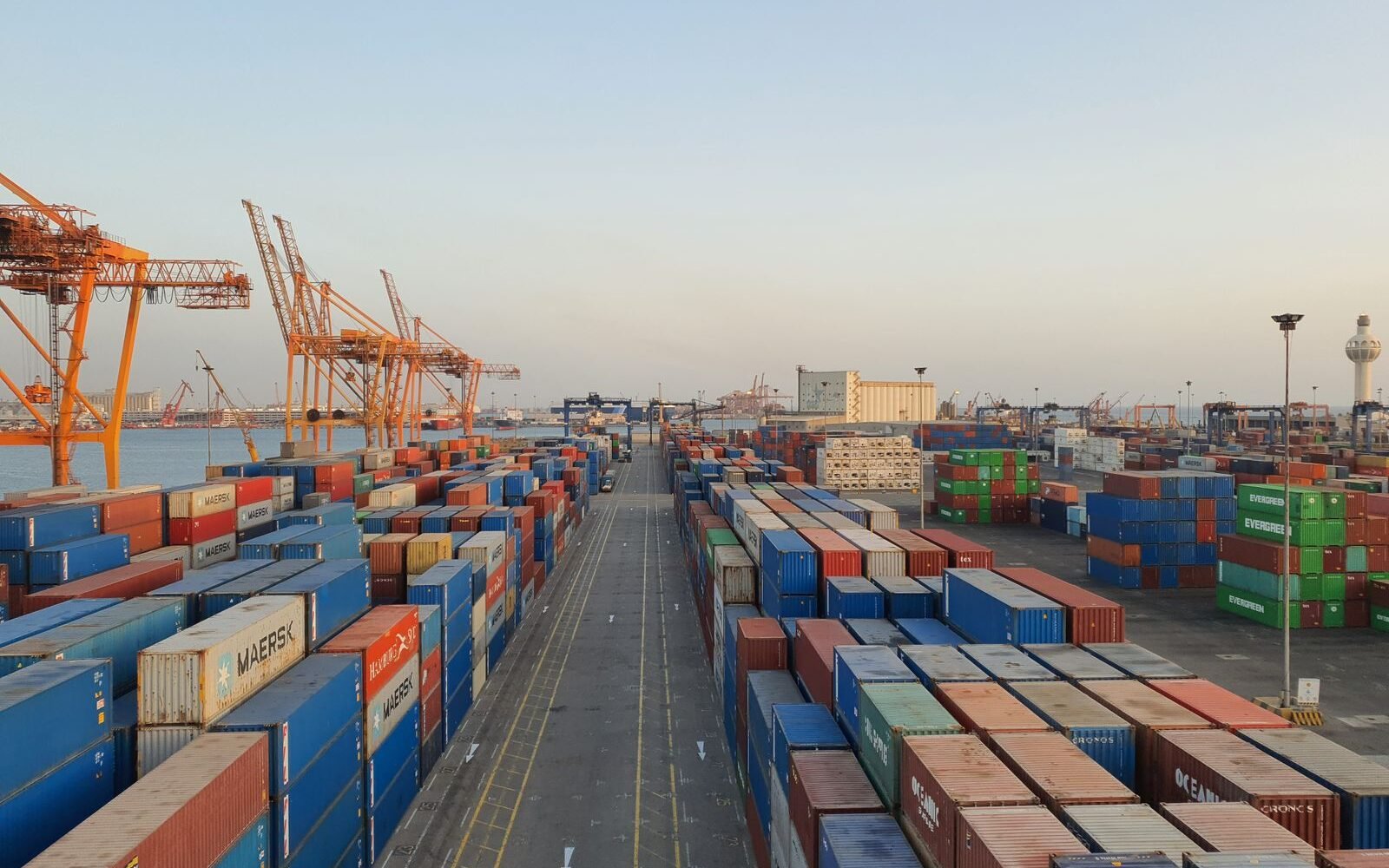
Entering a market is a fulfilment, tax and localisation decision before it is a marketing one. We plan the sequence, choose the channels, localise the experience and run the operating work — across ten markets and sixteen platforms, with one team and one set of numbers.
- Market sequencing, not scattergun launches into five countries at once
- Landed cost and duty modelled before entry, not discovered after it
- One accountable team across storefront, marketplaces and paid media
10
markets supported
16
platforms and marketplaces
1
team, one set of numbers
- The challenge
The cross-border growth challenge
Most international launches do not fail on demand. They fail on the things nobody costed before the first order shipped — which is why cross border eCommerce is a landed-cost question before it is a marketing one.

Market selection is the decision that determines how expensive everything after it will be.
A second market multiplies your operational load immediately and your revenue eventually. The gap between those two moments is where expansions quietly stall.
- Landed cost, duty and returns were modelled optimistically or not at all.
- The store was translated but not localised — sizing, payment and delivery still read as foreign.
- A marketplace was opened before the catalogue was ready for it.
- Paid media was copied from the home market and the cost per acquisition doubled.
- Five markets were opened at once, so none of them got the attention to work.
- Nobody owns the second market, so it loses every week to the first one.
Expansion works when it is sequenced: one market proven, the playbook written down, then the next one entered faster and cheaper than the last.
- What we do
Our international eCommerce strategy & expansion services
Six areas, run as one programme rather than six workstreams that meet at a monthly call. One international eCommerce strategy, with the sequencing written down.

Area 01
Which market, in which order, and what it will cost to serve properly before you commit to it.

Area 02
Language, currency, sizing, payment methods and delivery promises rebuilt for the market rather than translated into it.
Area 03
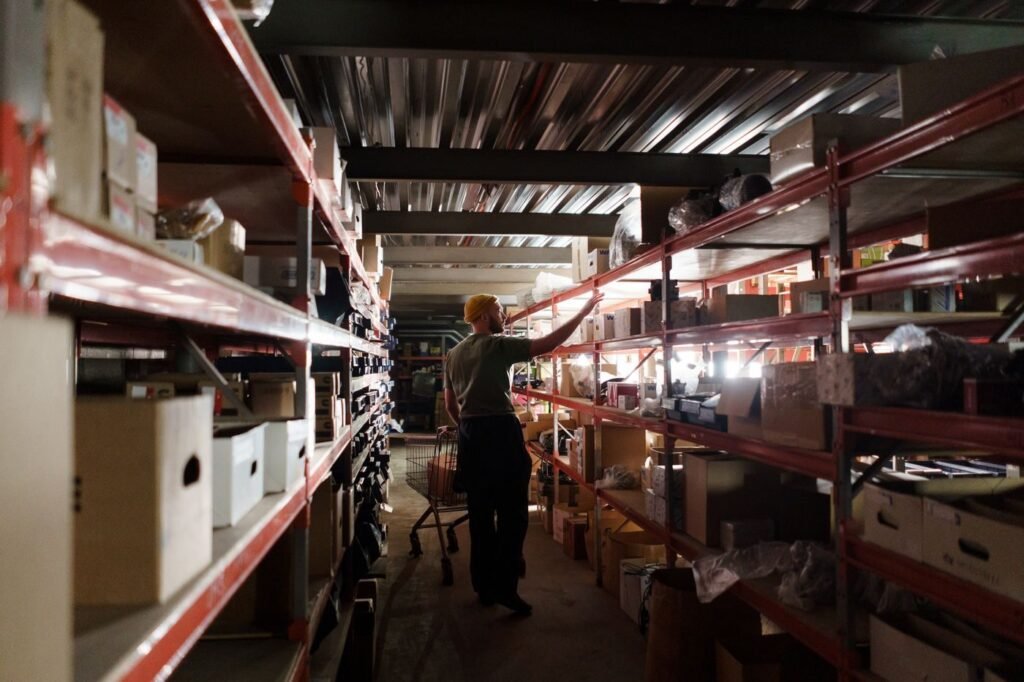
Whether to lead with your own storefront or a regional marketplace, and how to run both without duplicating the catalogue.

Area 04
Paid, organic and marketplace advertising planned per market against local cost and local competition.
Area 05
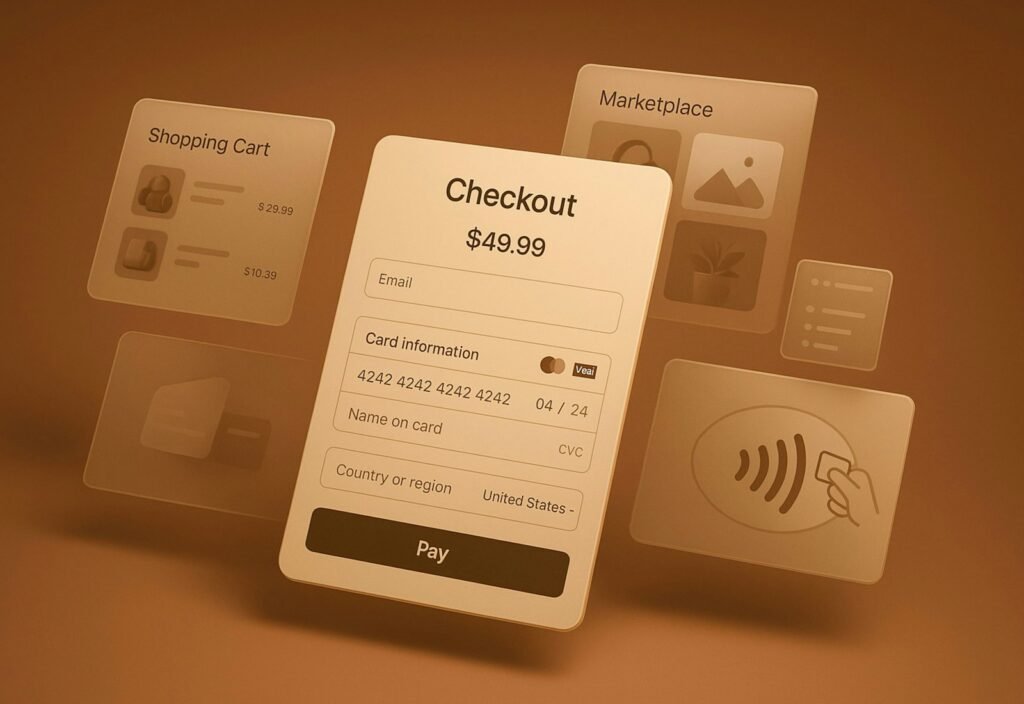
The trust signals, payment options and delivery messaging that decide whether a foreign visitor completes a purchase.

Area 06
Catalogue, pricing, stock, returns and reporting kept coherent as the number of markets grows.
Not every engagement needs all six. Most start with the first two and add the rest as the first market proves out.
- Area 01
Market research & market selection
The cheapest decision in an expansion, and the one most often made on instinct. eCommerce market entry is won or lost here, before a single localisation decision is taken.
We size the opportunity against what it will actually cost you to serve it. That means demand, competition and price position on one side, and duty, carriage, returns, payment fees and support load on the other — before anything is committed.
What the selection work covers:
- Demand sizing by category, not by country population
- Competitive price position against local incumbents
- Landed cost modelled per SKU, including duty and returns
- Marketplace versus storefront economics compared per market
- Regulatory, labelling and claim requirements identified early
- A ranked market sequence, not a list of possibilities

- Area 02
Localisation strategy
Translation is the smallest part of localisation and the part most often mistaken for all of it.

A shopper decides you are foreign within seconds, and mostly not from the language. It is the currency, the sizing convention, the payment methods you do not offer and a delivery promise that reads as a guess.
What localisation covers:
- Language and tone, translated by people not machines
- Local currency pricing with rounded, credible price points
- Sizing, units and specification conventions converted properly
- Payment methods the market actually uses, including instalments
- Delivery promise stated as a date, with duty handling explained
- Returns process a local customer would consider reasonable
Where the URL model matters — subfolders, subdomains, hreflang and market routing — that is settled before the first market goes live, because the second market is when it becomes expensive. Our Shopify SEO guide covers the mechanics in full.
- Area 03
Platforms & marketplace expansion
In most markets the fastest route in is a marketplace and the most profitable route is your own storefront. The plan usually uses both, in that order.



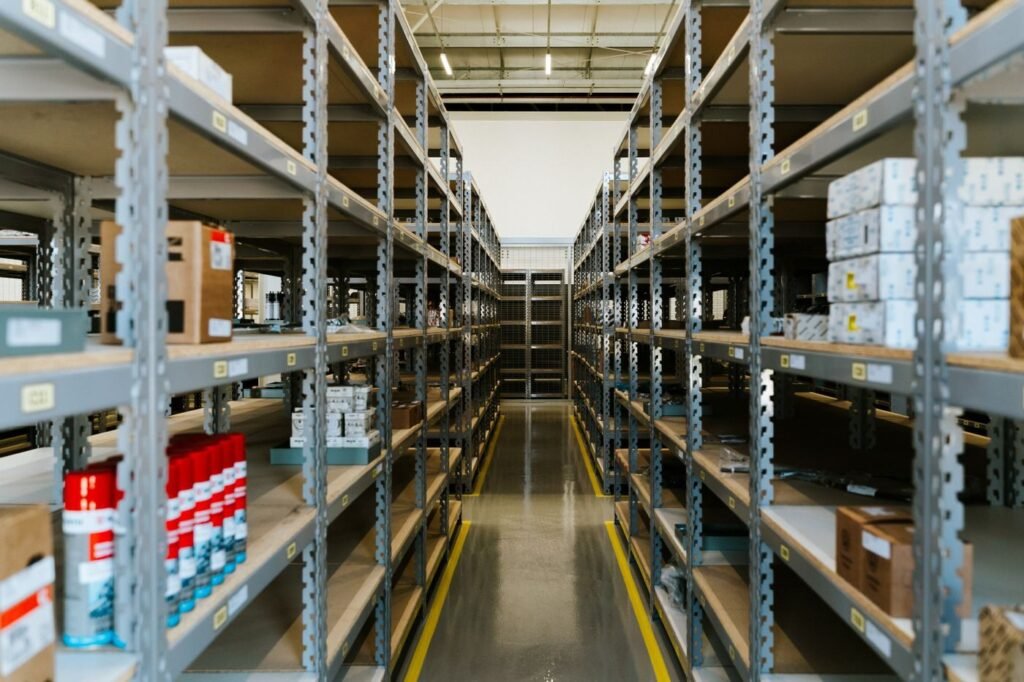




Storefront platforms are covered separately — see every platform we support, or the marketplace management service if marketplaces are the whole programme.
- Area 04
International customer acquisition
A campaign that works in your home market rarely transfers. Local competition, local cost and local search behaviour all differ, and the budget has to be planned against them. International eCommerce SEO is the slowest and cheapest half of this: hreflang, market-specific category demand and local currency signals decide whether the right country even sees you before a single ad runs.
Paid search & shopping
- Feed localised per market, not translated
- Break-even ROAS derived from landed cost
- Bid strategy split by market maturity
Organic search
- hreflang and market routing verified
- Category layer translated before product copy
- Local demand mapped in the local language
Marketplace advertising
- Campaign structure per marketplace and market
- Competitor and category targeting capped separately
- Rank and review velocity bought deliberately
Paid social & creative
- Creative reshot or recaptioned per market
- Local proof, local faces, local seasonality
- Landing experience matched to the ad language
Budget is planned per market against local cost, then reported against contribution rather than a blended ROAS across countries.
- Area 05
Customer experience & conversion
A foreign visitor abandons for reasons a domestic visitor never encounters. Most of them are fixable and none of them are subtle.
Conversion in a new market is usually a trust problem before it is a persuasion problem. The visitor cannot tell whether the delivery will arrive, what duty they will owe, or whether returning something is realistic from where they live.
What we change first:
- Duty and tax stated at the point of decision, not at checkout
- Delivery date and carrier named for the destination country
- Local payment methods, including the ones cards cannot replace
- Returns address and process that a local customer believes
- Local reviews and proof, not translated testimonials
- Support hours and contact routes in the local time zone

The first market teaches you which of these matter most for your category. The second market gets them on day one.
- Area 06
Multi-market operations
The work that decides whether market three is easier than market two or harder. Duty, returns and international shipping for eCommerce orders sit here, because the landed cost and the return path are what make a second market profitable rather than merely live. The international eCommerce shipping model you pick — local carrier, consolidator or third-party logistics — also decides what you can honestly promise at checkout.
What usually goes wrong
How we run it instead
Catalogue drifting per market until nothing matches
One source of product truth, with market-specific fields layered on top of it
Pricing set to the same shelf price everywhere
Priced to the same contribution margin per market after duty, carriage and fees
Stock committed to whichever market ordered first
Allocation rules agreed in advance, by margin and by service commitment
Returns handled ad hoc, and expensively
A returns route per market decided before launch, with the cost in the model
Reporting that cannot separate markets
Contribution reported per market, per channel, on one page
Every market needing the founder’s attention
A written playbook so market four is a process rather than a project
- Where we work
Markets we support
Ten markets we run programmes in. The five that are linked have a dedicated page covering the demand, the channels, the payment behaviour and the delivery expectations that market actually has; the rest are covered inside an expansion engagement.





Europe
Many countries, many rules, one logistics problem


MENA
Localisation and payment trust across the region

Asia Pacific
A fragmented region planned market by market

Southeast Asia
Shopee, Lazada, TikTok Shop and live commerce

Latin America
Marketplace-led growth and instalment payments
Or see every market we serve in one place.
- How it works
Our international expansion process
Six steps. The first three happen before anything is committed, which is the point of them.
01
Opportunity and constraint review
What you sell, where demand exists for it, and what is actually stopping you serving it. If the constraint is in your home market, we say so and you keep the money.
02
Market shortlist and landed cost model
Three to five candidate markets sized against duty, carriage, returns, payment fees and support load. The output is a ranked sequence with numbers attached.
03
Channel decision per market
Storefront, marketplace or both — and in which order. This decides the localisation scope and most of the cost.
04
Build and localise
URL model, translation, currency, payment methods, delivery promises, catalogue and feeds. Done once, properly, for the first market.
05
Launch and prove
One market, run hard, measured on contribution rather than revenue. We are looking for a repeatable playbook, not a good month.
06
Write the playbook, then repeat
Everything learned in market one is written down so market two is a process. If it is not cheaper and faster than the first, something was not written down.
Typical time from first conversation to a live, localised first market is eight to fourteen weeks depending on platform and catalogue size.
- Fit
Expansion by business goal
The right first move depends on what you are actually trying to do, and the answers differ more than most plans allow for.
Your goal
Where we would start
Test demand abroad before committing
Enter on a marketplace with a narrow, high-margin range. Low fixed cost, fast signal, and no localisation project.
Own the customer relationship in a new market
Localised storefront first, marketplace second. Slower and more expensive, and the only route that builds a list and a brand.
Grow an existing market that has plateaued
Usually a channel problem rather than a country problem. We would audit the current market before recommending a new one.
Reduce dependence on one country
Sequence two markets with different demand cycles, and set an allocation rule before stock becomes contested.
Follow demand you can already see
Traffic and orders from a country you do not serve properly is the cheapest signal in eCommerce. Serve it before it cools.
Enter B2B or wholesale abroad
A different motion entirely — see B2B and wholesale and Alibaba.com.
- Why us
Why choose us for international expansion
Four things that are unusual about how this is staffed and reported.
One team, not one agency per country
The people running your Gulf marketplace and your UK storefront sit in the same team and report to the same numbers. Nobody is optimising a country in isolation.
Landed cost before launch cost
Duty, carriage, returns and payment fees are modelled before a market is recommended. It is the reason we sometimes talk clients out of a market.
Regional marketplaces, not just the famous ones
noon, Daraz, Jumia, Shopee and Lazada are managed in-house. Most agencies stop at Amazon and quietly outsource the rest.
Reported per market on contribution
A blended ROAS across six countries hides the two that are losing money. Every market reports separately, after landed cost.
- Evidence
Cross-border case studies
Three engagements where the market, not the channel, was the deciding variable.

Marketplace · Amazon · Europe
Electronics brand entering European Amazon marketplaces from a single-country base.

SEO · noon · Gulf
Arabic-language organic growth and noon marketplace performance across the Gulf.

CRO · BigCommerce · Australia
Conversion work on a distant market where freight economics decide the offer.
- Questions
International expansion FAQs
Sequencing, cost, tax and what we will not do.
How many markets should we open at once?
One. Almost always one. Opening several simultaneously means none of them gets the attention required to produce a repeatable playbook, and you learn nothing transferable. The exception is where two markets share a language, a currency and a fulfilment route — then they are effectively one launch.
Should we lead with a marketplace or our own store?
It depends what you are trying to prove. A marketplace tests demand fast and cheaply with no localisation project, but you do not own the customer. A localised storefront is slower and more expensive and builds an asset. Most expansions we run do the marketplace first and the storefront second, once demand is proven.
Do you handle tax, duty and compliance?
We model landed cost including duty and we identify the registration, labelling and claim requirements a market imposes — but we are not tax advisers and we do not file your returns. We work alongside your accountant or introduce one who specialises in the market.
How long before a new market is profitable?
On a marketplace with an existing catalogue, often within a quarter. On a localised storefront built from scratch, plan for two to three quarters before contribution turns positive. Anyone promising faster has not included the returns.
Can you work with our existing agency in that country?
Yes, and sometimes that is the right structure — particularly where local language paid social is involved. We are usually the team holding the strategy, the catalogue and the reporting, with a local partner executing in-market.
What if the audit says we should not expand yet?
Then that is what the audit says. A store whose home market is unprofitable does not become profitable by adding a second country, and we would rather fix the first market with you. The free audit is where that conversation starts.
Do you translate content, or do we?
Either. We manage professional translation where you do not have it, and we work with your in-house translators where you do. What we insist on is that machine translation is not used for anything a customer reads before buying.
How is this different from your location pages?
The location pages describe how we work in a market you are already in or committed to. This page is about the decision and the sequence — which market, in what order, through which channel, and what it will cost to serve.
Prefer to read before you talk to anyone? Our International eCommerce Expansion Guide is the eight-chapter version of how we think about this work, published in full.
Thinking about your next market?
Start with the landed cost, not the marketing plan. Our free audit covers your current markets and models what a new one would actually cost to serve.