
- Case study · Beauty & Cosmetics
Sabaa Beauty: what happened when the Arabic site stopped being a translation
A Gulf beauty brand with a half-built Arabic experience, a high cash-on-delivery share and no organic visibility in the language most of its customers search in. Read it as an eCommerce SEO case study in which the ranking problem and the payment problem turned out to have one cause.
INDUSTRY
MARKET
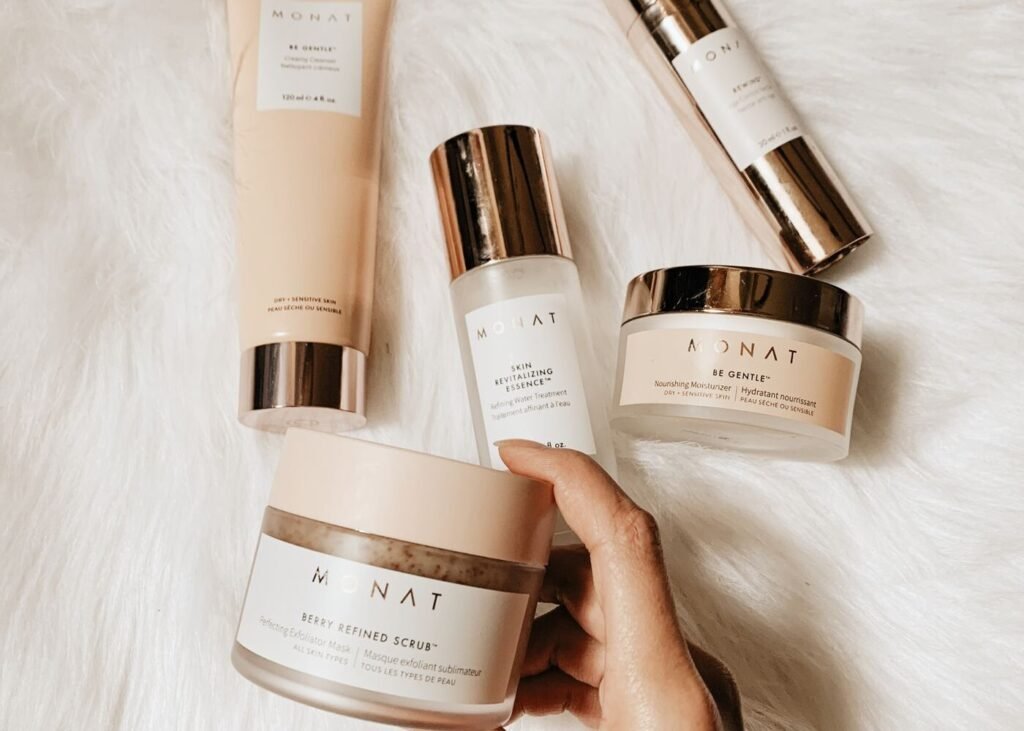
Sabaa’s core skincare range — strong products, and product pages that read as though they had been written somewhere else.
- Results snapshot
What changed in three quarters
Organic visibility in Arabic did most of the work. Shifting the payment mix is what made it profitable.
2.4x
Organic revenue
Arabic and English combined
+38pt
Prepaid share
Moved away from cash on delivery
-26%
COD refusal rate
On orders still placed as COD
12 wks
To payback
On the engagement fee
Revenue here counts kept orders only. On a Gulf account, counting placed orders overstates almost everything.
- About the client
A Gulf skincare and cosmetics brand
Sabaa Beauty sells skincare and colour cosmetics across the UAE and Saudi Arabia, direct and through Noon and Amazon.
Sabaa launched with a strong product range and a clear point of view, and grew quickly on paid social and marketplace placement. The founders are bilingual and the brand’s own communication had always been in both languages.
The website had not followed. It had an Arabic toggle, added late, that translated navigation and left product content, checkout and support in English. Around two thirds of the brand’s customers were searching and buying in Arabic.
- Direct storefront plus Noon and Amazon in the UAE and Saudi Arabia
- Skincare, colour cosmetics and a growing fragrance range
- An Arabic toggle covering navigation only
- A cash-on-delivery share well above half of all orders

- The challenge
Invisible in Arabic, and unpaid on delivery
Two problems that compounded each other.

The brand ranked for almost nothing in Arabic. The half-translated experience meant search engines had little Arabic content to index, and shoppers who did land on a page found English product descriptions under an Arabic menu — which reads as less trustworthy, not more.
That distrust showed up directly in the payment mix. Customers who are unsure about a store choose cash on delivery, and a meaningful share of those orders were refused at the door. The brand was paying to acquire, pick, pack and ship orders that never became revenue.
- Almost no organic visibility for Arabic search terms
- Product content, checkout and support in English behind an Arabic menu
- Cash on delivery above half of all orders
- Refused deliveries counted as returns rather than as lost acquisition cost
- Our analysis
Trust was the variable underneath both problems
The keyword gap and the refusal rate turned out to be the same signal.
Arabic keyword research — done properly, not translated from the English list — found a large body of demand the brand had no content for. Shoppers search skincare in Arabic using terms that do not map word-for-word from English, and several of the brand’s best categories had no Arabic page at all.
Segmenting the refusal data made the second link explicit. Refusal rates were highest exactly where the experience was weakest: Arabic-language sessions, first-time customers, and the categories with the thinnest product information.
- Substantial Arabic search demand with no corresponding content
- Arabic terms not mapping word-for-word from the English keyword set
- Refusal rates highest among Arabic-language first-time buyers
- Thin product information correlating directly with refused deliveries

Removing cash on delivery would have removed the orders. Earning enough trust to make prepaid the easier choice removed the refusals instead.
- Strategy
Build the Arabic experience properly, then earn prepaid
Three commitments, in the order they had to happen.
Make Arabic a first-class experience
- Right-to-left handled at template level, not patched in
- Product content written in Arabic rather than translated
- Support and returns available in the language advertised
Earn visibility in both languages
- Arabic keyword research done natively
- Category and product pages built for the terms found
- Correct architecture so the two languages stop competing
Make prepaid the comfortable choice
- Trust signals placed before the payment step
- Prepaid incentives sized against the real cost of a refusal
- Verification on the highest-risk cash orders
The order matters. Incentivising prepaid on a store that does not feel trustworthy just makes the discount expensive.
- What we did
The work, service by service
Four service lines, one team, one shared plan.

DEVELOPMENT
The previous Arabic mode was a stylesheet override that broke on filters, cart and checkout. Rebuilding it properly fixed the places customers actually abandoned.
- RTL handled in templates rather than CSS overrides
- Filters, cart and checkout rebuilt for both directions
- Correct hreflang so the languages stop cannibalising
SEARCH
Native Arabic keyword research produced a content plan the English site had never suggested, including three categories with real demand and no page behind them.
- Native Arabic keyword research, not translated terms
- Three new category pages built on found demand
- Product pages rewritten for the language they rank in

CONTENT
Ingredients, skin-type suitability, shade context and usage guidance written in both languages — the detail that decides whether a first-time buyer trusts a beauty purchase.
- Ingredient and suitability detail in both languages
- Shade and texture context shown rather than described
- Usage guidance produced for the categories driving refusals

MARKETPLACE
Marketplace listings rebuilt in Arabic to the same standard, so a shopper comparing the brand across channels met one coherent experience.
- Noon and Amazon listings rebuilt in Arabic
- One pricing policy across marketplaces and the store
- Ratings and question response handled weekly
- Implementation
How it was sequenced
Twenty weeks, ordered so the experience was trustworthy before anything tried to drive traffic to it.
WEEKS 1-4
Research and rebuild
Native Arabic keyword research alongside the template-level RTL rebuild. No traffic work until the destination was worth arriving at.
WEEKS 5-10
Content in both languages
Category and product content written in Arabic, with ingredient and suitability detail prioritised on the categories with the highest refusal rates.
WEEKS 11-15
Marketplace alignment
Noon and Amazon listings rebuilt to the same standard so the brand read consistently wherever it was compared.
WEEKS 16-20
Shift the payment mix
Trust signals, prepaid incentives and verification on high-risk cash orders, introduced only once the experience justified the confidence.
Twenty weeks is longer than most of our engagements take to show results. Arabic content built properly does not compress well, and building it badly would have been worse than not building it.
- Results
The KPI breakdown
Measured over 180 days, against the same period a year earlier. Kept orders only.
Metric
Before
After
Change
Organic revenue (both languages)
baseline
2.4x
+140%
Arabic organic sessions
9%
46%
+37pt
Prepaid share of orders
41%
79%
+38pt
COD refusal rate
18.6%
13.8%
-26%
Kept-order contribution margin
11.2%
19.7%
+76%
Arabic pages indexed
12
184
+1433%
Repeat rate (180-day)
17%
24%
+7pt
The prepaid shift was not driven by discounting. Incentives were introduced late and sized against the cost of a refusal, not the value of an order.
- Supporting evidence
Before and after, side by side
The operating changes behind the numbers above.
BEFORE
• An Arabic toggle covering navigation, with English product content beneath it
• Right-to-left applied as a stylesheet override, breaking on cart and checkout
• Keyword strategy translated from the English list
• Support and returns handled in English only
• Refused deliveries logged as returns rather than as lost acquisition cost
AFTER
• Arabic product content written natively, end to end
• Right-to-left handled at template level across the whole path
• Native Arabic keyword research driving the content plan
• Support and returns available in the language the store advertises in
• Refusals reported separately, with acquisition cost attached
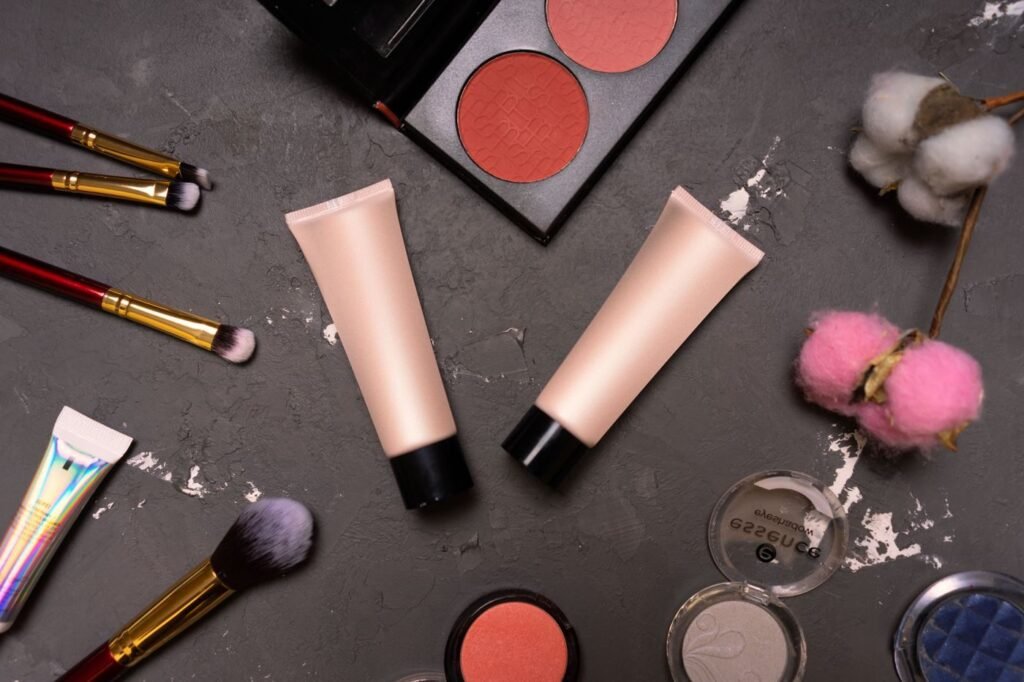
Almost none of this was a marketing change. It was making the store credible to the customers it already had.
- Why it worked
Why trust had to come before the payment mix
The keyword gap and the refusal rate were the same signal read two different ways. Both resolved once the Arabic experience stopped feeling like an afterthought.
Arabic became a first-class experience
The previous right-to-left mode was a stylesheet override that broke on filters, cart and checkout — precisely the places customers abandoned. Rebuilding it at template level fixed the experience where the decision was being made, not where it was being advertised.
Demand was researched in Arabic, not translated
Shoppers search skincare in Arabic using terms that do not map word for word from English. Native keyword research surfaced three categories with real demand and no page behind them, which is visibility the translated keyword list could never have found.
Prepaid was earned before it was incentivised
Refusal rates were highest exactly where the experience was weakest. Once the Arabic journey and the product information were fixed, prepaid became the comfortable choice on its own, and incentives were introduced late and sized against the cost of a refusal rather than the value of an order.
WHAT WOULD NOT HAVE WORKED
Removing cash on delivery, which was the first suggestion on the table. It would have eliminated the refusals and a large share of the orders with them, because the refusals were a symptom of distrust rather than a property of the payment method. Discounting prepaid on a store that still felt unfinished would simply have made that distrust expensive.
We thought we had an Arabic site. We had an Arabic menu. Once the product pages were actually written in Arabic, people started paying up front without being asked to.
Managing Director
Sabaa Beauty
Read Shams Al-Gharbi’s full review of this engagement — why they went looking for an agency, what they had already tried, and what they would change.
- Services used
The service lines behind this engagement
Four of our nine service lines worked on this account, under a single plan and a single owner.
Native Arabic keyword research and the content plan it produced — the change that mattered most here.
Right-to-left rebuilt at template level, including the filters, cart and checkout that had been breaking.
Ingredient, suitability and usage content written in both languages.
Noon and Amazon listings rebuilt to match the store, in Arabic and English.
- Classification
Platform, industry and market
Every case study on this site is classified on four axes so you can find the one that matches your situation.
This engagement is filed as eCommerce SEO + Noon + Beauty & Cosmetics + Gulf. It appears on each of those pages, and on our wider MENA page.
- Related work
Other case studies worth reading
Matched on shared services, platform or market.

Is your Arabic experience a translation or a build?
If product content, checkout and support are not all in the language your menu promises, the gap is showing up in your payment mix. Tell us what you sell and we will show you where.