
- Automotive & Parts
An Automotive & Parts eCommerce Agency That Starts With Fitment
Catalog, fitment data, acquisition, conversion and retention for automotive parts and accessories sellers — run by one team, because in this category the entire business rests on whether the part fits the car.
- Fitment and compatibility treated as the core of the store, not a plugin
- Product data governed at a scale where manual work stops being possible
- Wrong-part returns attacked as a margin problem, not a support queue
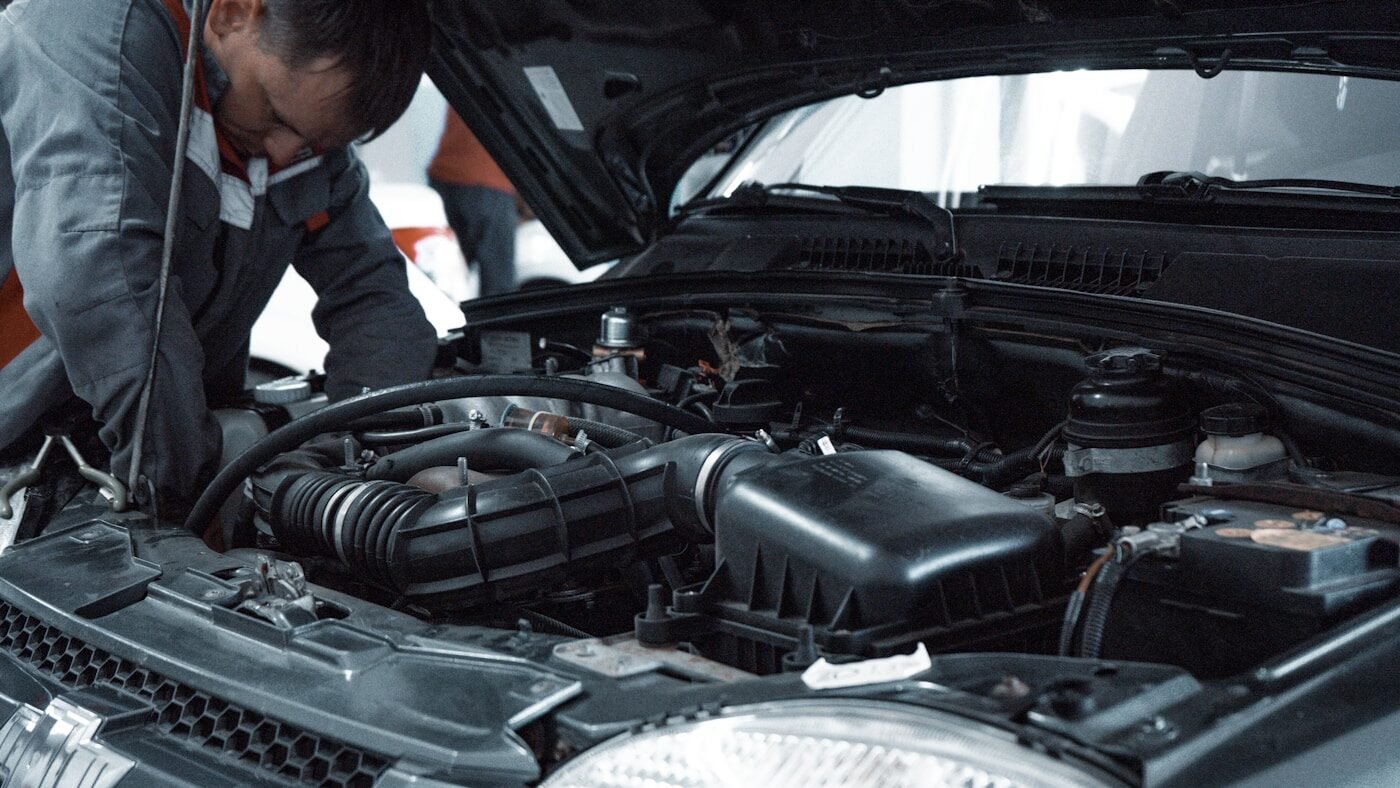
+46%
Parts revenue growth
-38%
Wrong-part returns
+2.6x
Non-brand sessions
3.2x
Blended ROAS
- The problem
Automotive & parts challenges we solve
Automotive is the most data-dependent category in eCommerce. Enormous catalogs, complex compatibility and one unforgiving question: will this part fit my specific vehicle.
Fitment data that cannot be trusted
If year, make, model and engine data is incomplete, every other part of the store is quietly built on sand.
Wrong-part returns
The most expensive return in eCommerce: shipped, fitted or attempted, returned, restocked and rarely resold at full margin.
Catalogs with hundreds of thousands of SKUs
At this scale, manual catalog work stops being slow and starts being impossible.
Complex product relationships
Supersessions, kits, sub-assemblies and interchange numbers all have to be modelled or customers buy the wrong thing.
Vehicle-led search unserved
People search by vehicle, not by part category, and most catalogs have no page that answers that query.
Supplier data of wildly varying quality
Every supplier sends a different format with different gaps, and somebody has to reconcile it into one usable model.
Price transparency on identical parts
The same OEM part number sits on twenty sites, so anything other than price has to be argued explicitly.
Trade and retail in one store
Workshops and consumers need different pricing, different quantities and different content from the same catalog.
- What we run
Our eCommerce services for automotive & parts sellers
The same eight disciplines we run for every client, applied to the largest and most compatibility-driven catalogs in eCommerce. Each card links to the service page.
This page covers how those services change for automotive. The service pages hold the full methodology, deliverables and pricing.
- Fitment
Vehicle fitment & product compatibility
Everything in automotive eCommerce depends on one relationship: this part fits that vehicle. Get the data right and search, filtering, feeds and returns all improve at once. Get it wrong and nothing else you do matters.
We treat fitment as the foundation of the store rather than as a plugin bolted on afterwards. That means a governed data model — year, make, model, engine and trim — that the vehicle selector, the search, the filters and the product feed all read from.
- Year → make → model → engine or trim → compatible parts, modelled properly
- Fitment data reconciled from supplier feeds into one governed source
- Compatibility, interchange and OEM cross-references maintained
- Part numbers, SKUs and supersessions tracked as products change
- Product attributes structured so filtering actually works at scale
- Vehicle selector and my-garage functionality across the site
- Fitment confirmed again in cart and at checkout
- Product relationships: kits, sub-assemblies and required extras
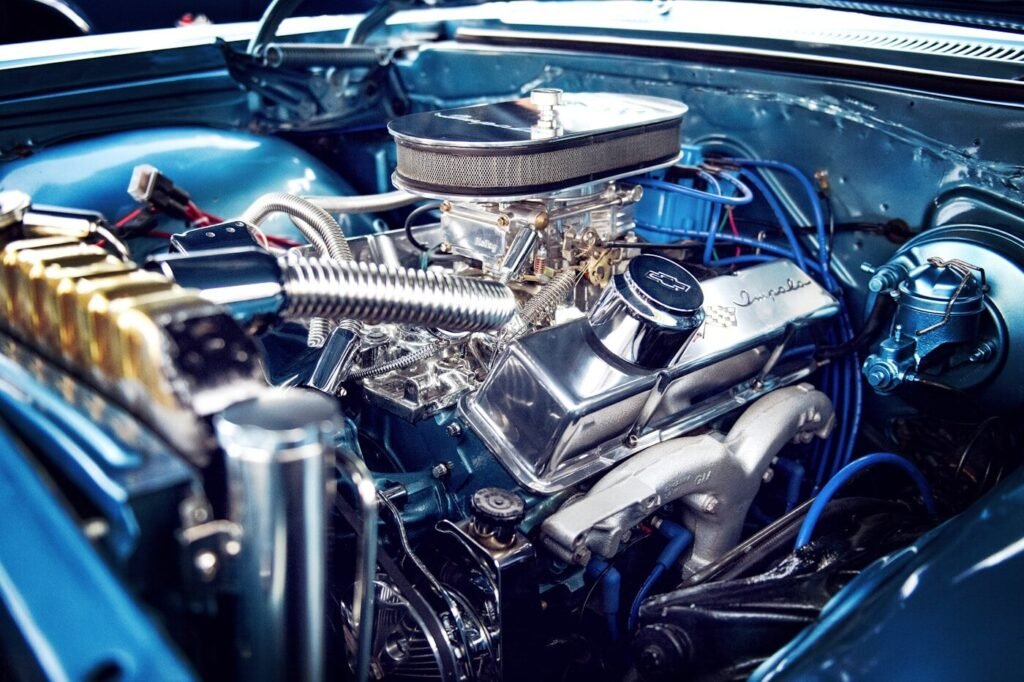
Year → make → model → engine → compatible parts. Everything else is built on this.
- Data
Large catalog & product data management
A quarter of a million SKUs from forty suppliers, each sending a different file format, is not a merchandising problem. It is a data engineering problem wearing a merchandising hat.

At automotive catalog scale, data governance is the merchandising strategy.
We build the pipeline and the governance that makes a catalog this size manageable: supplier feeds normalised into one model, enrichment applied consistently, and changes flowing through to the storefront, the marketplaces and the ad feeds without anybody editing spreadsheets.
- Supplier feeds normalised into a single governed product model
- Attribute standards enforced so filtering and search stay reliable
- Content enrichment applied at scale rather than SKU by SKU
- Duplicate, obsolete and superseded parts identified and handled
- Pricing rules and margin logic applied consistently across channels
- Stock and availability accurate enough to advertise against
- PIM and ERP integration so the store is never the source of truth by accident
- Data quality monitored continuously, not audited once a year
- The journey
The automotive customer journey
Automotive buying starts with a problem and a specific vehicle. The shopper identifies the part, confirms it fits, compares price and availability, and buys from whoever removed the doubt fastest.
Problem
Identify
Confirm fit
Compare
Purchase
Fit
Reorder
Problem
Something failed, needs servicing, or is being upgraded — and there is usually a car off the road.
Identify
Vehicle-led search, part numbers and diagnostic content help the shopper name what they need.
Confirm fit
The vehicle selector and fitment confirmation remove the single biggest reason not to order.
Compare
Price, brand, quality tier and delivery speed are compared across sites and marketplaces.
Purchase
Availability, delivery certainty and a fast checkout convert an urgent need.
Fit & reorder
Installation content, service intervals and consumables bring the customer back.
- Acquisition
SEO, paid media & marketplace demand
Automotive search is enormous, specific and highly commercial. The brands that win it are the ones whose data lets them build pages at the scale the demand exists.
Organic
Vehicle, part and OEM-number queries exist in the tens of thousands. Serving them requires data, not copywriting.
- Vehicle-led and part-category landing pages
- OEM and part-number search visibility
- Diagnostic, how-to and installation content
- Programmatic page generation from governed data
- Internal linking between vehicles, parts and guides
Paid
Shopping at automotive catalog scale is a feed and structure problem before it is a bidding problem.
- Google Shopping across very large catalogs
- Search on part, vehicle and OEM-number terms
- Feed quality driven from the fitment data model
- Margin-aware bidding on price-transparent parts
- Retargeting segmented by vehicle and part type
Marketplace demand
eBay and Amazon carry an enormous share of parts demand, with their own fitment systems to satisfy.
- eBay Motors fitment and listing quality
- Amazon parts listings and compatibility data
- Marketplace advertising on the same margin logic
- Pricing and stock synchronised across channels
- Blended reporting across store and marketplaces
The underlying method lives on eCommerce marketing, eCommerce SEO and paid advertising.
- Conversion
Conversion & the automotive shopping experience
One question dominates: will this fit my vehicle. Everything else in the conversion journey is secondary to answering it convincingly.
Vehicle & fitment
Removing the doubt that stops most automotive orders.
- Vehicle selector prominent on every entry point
- Saved garage so the vehicle persists across sessions
- Explicit fitment confirmation on the product page
- Registration or VIN lookup where available
- Fitment reconfirmed in cart and at checkout
Part identification
Helping somebody who half-knows what they need.
- OEM and interchange number search
- Diagrams and exploded views where available
- Quality tiers explained: OE, OEM, aftermarket
- Required extras and fitting kits surfaced
- Installation content and difficulty guidance
Cart & checkout
Converting an urgent, price-compared purchase.
- Stock and delivery speed stated clearly
- Trade accounts and pricing handled separately from retail
- Returns and warranty terms presented confidently
- Consumables and fitting extras attached sensibly
- Checkout tested on mobile before desktop
Every change is measured on conversion rate, wrong-part return rate and contribution together.
- Platforms
Platforms & marketplaces for automotive sellers
Parts demand is split between your own store and the marketplaces that built fitment systems of their own. Both need the same governed data underneath.
DTC commerce
Where the fitment experience, the trade account and the customer relationship belong to you.
Marketplaces
Where a very large share of parts demand already searches, each with its own fitment rules.
Sourcing & B2B
The supply side of the same catalog, where trade buyers and manufacturers meet.
Selling on several at once? Marketplace management & marketing covers the multi-channel side, and platforms lists everything we support.
- Retention
Retention, service cycles & customer lifetime value
Vehicles need servicing on a schedule and wear out on a predictable curve. That makes automotive one of the easiest categories to build retention in, and one of the least likely to have done it.
First order
Fitting
Service interval
Consumables
Next repair
Trade account
Lifecycle messaging
- Installation and fitting support after purchase
- Service-interval reminders based on the saved vehicle
- Consumable replenishment: oil, filters, wipers, fluids
- Seasonal prompts for tyres, batteries and cooling
Vehicle intelligence
- Saved garage used to personalise every message
- Recommendations restricted to parts that actually fit
- Mileage and age-based part suggestions
- Common failure patterns surfaced by model
Trade & workshop
- Trade accounts with agreed pricing and terms
- Repeat and bulk ordering made fast
- Quote handling for larger jobs
- Account-based service for workshop customers
Measurement
- Repeat rate by vehicle, part type and cohort
- Trade versus retail contribution reported separately
- Lifetime value against acquisition cost by channel
- Contribution margin after returns and restocking
- By business model
Growth solutions by automotive business model
A performance accessories brand and a factor supplying workshops are both selling car parts and running entirely different businesses.
Your business model
Where we focus
Parts retailers & factors
Fitment data governance, huge catalog management, vehicle-led SEO and trade plus retail served from one store.
Performance & tuning
Application-led merchandising, technical content, community credibility and specification depth.
Accessories & styling
Visual merchandising, vehicle-specific fitment, and faster fashion-like demand cycles.
Tyres & wheels
Size-led search, fitment guarantees, seasonal demand and fitting-service integration.
Motorcycle & powersports
Model-specific fitment, enthusiast content and community-led acquisition.
Commercial vehicle & fleet
Account-based buying, downtime urgency, availability accuracy and bulk ordering.
Marketplace sellers
eBay Motors and Amazon fitment compliance, listing quality and marketplace advertising.
Manufacturers & brands
Distributor support, technical content, D2C launch and channel-conflict management.
- How we work
Our automotive eCommerce growth framework
The same six-stage method we run for every client, with fitment and data governance at the front where this category needs them.
01
Understand
Your catalog, suppliers, customer mix of trade and retail, margin structure and fitment sources.
02
Audit
Fitment data quality, catalog integrity, store, marketing, technology and performance including return reasons.
03
Strategize
Prioritise by expected contribution, starting with the data problems that block everything else.
04
Execute
Management, marketing, creative and technology delivered by one team against one plan.
05
Optimize
Data, testing and iteration on the pages, feeds and campaigns that move margin.
06
Scale
Push the winning vehicle segments, part categories, channels and markets.
- Why us
Why automotive & parts sellers choose us
Because we start with the fitment and catalog data that every other improvement in this category depends on.
eCommerce-first expertise
Every discipline here exists to move a commerce number in a price-transparent category.
Fitment done properly
Year, make, model, engine and trim modelled as governed data rather than bolted on as a widget.
Catalog data at scale
Supplier feeds normalised, enriched and monitored so a huge catalog stays reliable.
Multi-channel growth
Store and marketplaces run by one team and reported as one blended contribution number.
Management plus marketing
The people running your catalog and the people buying your media sit in the same standup.
Returns treated as margin
Wrong-part returns attacked at the data and page level, where they are actually caused.
Trade and retail together
One catalog serving workshops and consumers without compromising either experience.
Scalable systems
PIM-friendly structures, feeds and reporting built for hundreds of thousands of SKUs.
- Results
Automotive & parts results
Three automotive engagements, written the way we report internally. Figures are rounded and named brands are withheld under NDA.
Aftermarket parts retailer
Two hundred and forty thousand SKUs, fitment data from six suppliers and a wrong-part return rate above 12%.
Challenge
Conflicting supplier fitment data meant the vehicle selector confidently recommended parts that did not fit.
Strategy
Reconciled fitment into one governed model, rebuilt the vehicle selector on top of it, and added fitment confirmation in cart.
Services
Store management, development, CRO, paid advertising.
-38%
Wrong-part returns
+29%
Conversion rate
+46%
Revenue
Performance parts brand
Ranked only on brand terms, invisible for the vehicle-led searches that drive the category.
Challenge
The site had no pages matching how enthusiasts search, which is always by vehicle and application.
Strategy
Generated vehicle-led landing pages from the fitment data, added application guides, and rebuilt internal linking.
Services
eCommerce SEO, development, store management, creative.
+2.6x
Non-brand sessions
+58%
Organic revenue
3.2x
Shopping ROAS
Tyre and wheel specialist
Strong marketplace sales on eBay, an own-site experience that could not compete with it.
Challenge
The marketplace listings had better fitment data than the brand’s own store, so customers bought at a worse margin.
Strategy
Brought the same fitment model onto the storefront, added size-led search, and ran both channels on one margin logic.
Services
Store management, marketplace management, CRO, paid advertising.
+71%
Own-site revenue
+9pt
Blended margin
+34%
Repeat rate
Closest matching case study — Vac & Vacuums, filed as Marketplace + Amazon + Electronics + Europe. See all six.
- Insights
Automotive & parts insights
Three pieces from The Margin Memo that come up in almost every automotive conversation we have.
Data
Search, filtering, feeds and returns all read from the same model. Fix it once and four problems improve together.
Conversion
Where wrong-part orders are actually created, and which page-level changes prevent the most expensive returns in eCommerce.
SEO
Automotive search happens by vehicle. Serving it needs programmatic pages built from governed data, not a copywriter.
- FAQs
Automotive eCommerce FAQs
The questions automotive parts sellers ask us most often, answered properly.
What makes automotive parts eCommerce different?
Scale and compatibility. Catalogs run into hundreds of thousands of SKUs, supplier data arrives in incompatible formats, and every sale depends on one binary question: does this fit the customer’s exact vehicle. That makes data governance the growth strategy rather than a technical chore, because search, filtering, product feeds and return rates all depend on the same underlying model.
Can you fix our fitment data?
Usually, yes, and it is normally the first project. We reconcile fitment from your supplier feeds into one governed model covering year, make, model, engine and trim, handle supersessions and interchange references, and then rebuild the vehicle selector, filtering and product feed on top of it. Where source data is genuinely missing we will tell you rather than quietly guessing, because a confident wrong answer costs more than an honest gap.
How do you reduce wrong-part returns?
At the point they are created, which is the product page rather than the warehouse. Vehicle selector prominent throughout, saved garage so the vehicle persists, explicit fitment confirmation on the product page and again in the cart, required fitting extras surfaced, and quality tiers explained so nobody buys an aftermarket part expecting OE. Return reasons then feed back into the data model.
Can you handle a catalog of several hundred thousand SKUs?
Yes. At that scale the work is pipeline and governance rather than manual merchandising: supplier feeds normalised into one model, enrichment applied programmatically, duplicates and obsolete parts identified automatically, and data quality monitored continuously. PIM or ERP integration is usually part of it so the storefront is never accidentally the source of truth.
Do you work with eBay Motors and Amazon fitment?
Yes. Both marketplaces run their own compatibility systems, and both reward sellers whose fitment data is complete. We feed them from the same governed model as your own store so listings stay consistent, then run marketplace advertising on the same margin logic. eBay store management and Amazon agency cover those channels in detail.
Can one store serve trade and retail customers?
Yes, and it usually should. Trade buyers need account pricing, fast repeat ordering, bulk quantities and quote handling; retail customers need guidance, installation content and reassurance. We build both experiences from the same catalog and report their contribution separately, because blending them hides which side is actually profitable.
What platforms do you work on?
Shopify and Shopify Plus, WooCommerce, BigCommerce, Adobe Commerce, Wix and Squarespace on the storefront side, plus the marketplaces listed above. Catalog size and fitment complexity weigh heavily in platform advice here — some platforms handle a quarter of a million SKUs comfortably and some genuinely do not.
How long before we see results?
Data and fitment work takes longer to start than most projects — usually six to twelve weeks depending on catalog size — and then improves everything at once. Conversion and returns improvements show almost immediately after it lands. Vehicle-led SEO compounds over three to six months as pages are indexed at scale.
Tell us about your catalog
Send us your store, your fitment sources and the number you want to move. We will come back with where the data is failing and what it is costing you.