
- India
eCommerce Marketing Agency India for D2C Brands and Marketplace Sellers
We are an eCommerce digital marketing agency in India running management and marketing for Indian brands — your own storefront, Amazon.in, Flipkart and the wider marketplace stack — in a market where the margin leak is almost never traffic. It is returns.
- One team across store, marketplaces, paid media and retention
- Prepaid conversion and RTO control treated as revenue work, not logistics admin
- Tier 2 and Tier 3 demand planned separately from the metros
- Festive calendar planned a quarter ahead, not the week before
2
Markets in reach
9
Service lines
10
Industry practices
- Market opportunity
A vast market where the margin leak is returns, not traffic
Indian online retail reached roughly US$80 billion in FY26, up 21% year on year, and D2C order volumes grew faster still at 34%. The difficulty is what happens after the order. Nearly two in five orders came back at the November 2025 festive peak.
Where the opportunity sits
- Tier 2 and Tier 3 cities drove 66% of incremental D2C order volume in FY26
- Around 290 to 300 million people now shop online, and the newest cohort is not metro
- Health, pharma, beauty and personal care grew 48% and 41% year on year
- UPI handles roughly 81% of retail payment transactions, so prepaid is finally realistic
- ONDC passed 344 million orders across about 1,100 towns, giving an alternative to the duopoly
What makes it hard
- Return to origin ran at 39.2% at the November 2025 festive peak
- 58% of cash-on-delivery orders came back in the festive quarter, against under 15% prepaid
- A discount-led festive calendar that sets the price expectation for the whole year
- Language and category demand that shift sharply between states
- Marketplace commission plus ad cost plus RTO, stacked on the same order

39.2%
Festive-peak RTO
Nov 2025, Unicommerce FY26 data
58%
COD return rate
Against under 15% on prepaid
66%
Tier 2 and 3 share
Of incremental FY26 order volume
21%
FY26 market growth
Online retail, year on year
- What we run
Our eCommerce services for the Indian market
Nine service lines, each with a specialist page behind it. On this page they are the Indian view; follow any card for the full method.
01
Day-to-day ownership of catalogue, pricing, promotions, inventory signals and channel health across every Indian storefront and marketplace account you run.
02
A single demand plan across search, social, marketplaces and email, budgeted to contribution margin after commission, ad cost and returns.
03
Category, collection and product-page visibility for high-intent Indian search, including the regional-language queries your metros-only plan is missing.
04
Paid search, shopping, social and retail media managed against blended acquisition cost, with the festive calendar priced in rather than reacted to.
05
Research-led testing on the pages that carry your revenue, with prepaid conversion treated as a CRO problem: PDP, cart, checkout, payment choice and returns policy.
06
Lifecycle flows, segmentation and win-back built to raise repeat rate and lifetime value, not just open rate.
07
Theme, template and integration work on Shopify, WooCommerce, BigCommerce and Adobe Commerce, including UPI and payment-gateway setup and GST-aware invoicing.
08
Product photography direction, listing imagery, A+ content, video and ad creative built so the product arrives looking like the listing — the cheapest return reduction there is.
09
Listing quality, buy-box health, retail media and account operations across Amazon.in, Flipkart and the marketplaces your category actually sells on.
Every service is delivered by the same team that owns your number, so nothing falls between store, ads and lifecycle.
- Buying journey
How Indian shoppers actually decide
Indian shoppers choose a payment method almost as carefully as they choose the product. Cash on delivery is a trust signal and a margin risk at the same time, and that tension sits at the centre of the journey.
Discover
Research
Compare
Purchase
Delivery
Experience
Repeat

DISCOVER
Discovery is mobile, social and vernacular
Short-form video, creators, search and marketplace browse seed demand, increasingly in regional languages rather than English. We plan discovery on incrementality rather than last-click credit, and separately for metro and non-metro audiences.

RESEARCH & COMPARE
Payment choice is the trust decision
A first-time buyer reaches for cash on delivery because it costs nothing to change their mind. Earning the prepaid order instead — through clear sizing, real photography, visible return terms and a small incentive — is the single highest-leverage change most Indian brands can make.

DELIVERY & REPEAT
Delivery and returns decide the second order
Transit times vary enormously between a metro pincode and a Tier 3 one. Being accurate about delivery beats being optimistic, and a return handled well is what earns the next order rather than ending the relationship.
- Channels
Where Indian revenue is won
Most Indian brands run three layers at once. We keep them coordinated so they compound instead of cannibalising each other.

Your own storefront
The margin channel and the place your brand story lives. We manage the platform, merchandising and checkout experience, including payment-gateway configuration and GST-aware invoicing.

Marketplaces Indians shop
Where most discovery and comparison happens, and where a new brand gets its first distribution. Listing quality, buy-box health, retail media and account operations.

Acquisition and retention
The demand engine that feeds both. Search, paid media, creative and lifecycle planned together against one blended acquisition target, net of returns.
- Cross-border commerce
Indian brands going global, global brands entering India
Export is the clearest growth lever available to an established Indian D2C brand, and India is one of the largest markets a foreign brand can enter. Both work only when the operational cost is modelled first. It runs in both directions.
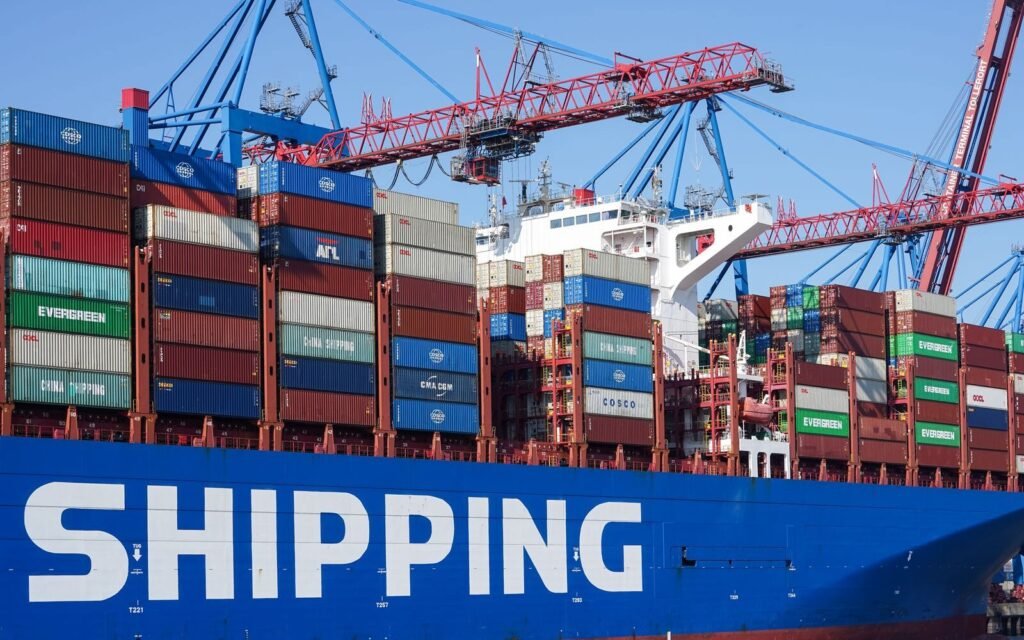
INDIA INTO EXPORT MARKETS
Selling from India into the GCC and the West
Your manufacturing cost is an advantage and the diaspora demand is already there. What decides whether it works is where stock sits, who pays duty, and whether the price survives air freight.
- Fulfilment options: direct export, an in-market 3PL or marketplace fulfilment
- Duty, de minimis treatment and documentation modelled before launch
- Destination-currency pricing that does not erode margin on conversion
- Separate in-market marketplace accounts rather than shipping from the Indian one
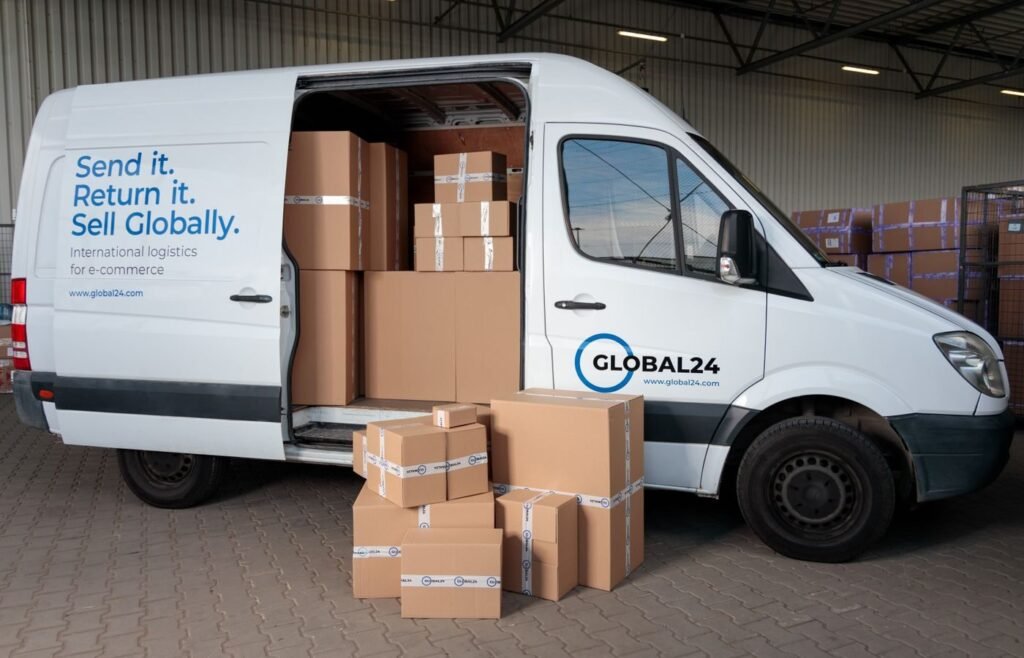
GLOBAL INTO INDIA
Selling into India from outside it
India rewards patience and punishes a copy-paste launch. The brands that stall are the ones that bring Western pricing, Western payment assumptions and an English-only catalogue.
- INR pricing set for the segment you actually want, not converted from USD
- A payment stack that covers UPI, cards, wallets and a COD policy you can defend
- Delivery timelines quoted honestly by pincode tier rather than nationally
- Marketplace-first entry where the category justifies it, before the owned store scales

LOGISTICS
Pincode reach is a margin problem
A long-haul delivery into a Tier 3 pincode can cost several times a metro one, and if it is a cash-on-delivery order that is refused, you pay the freight twice and sell nothing. Flat national free-shipping thresholds are the most common cause of margin leakage we find on Indian stores.
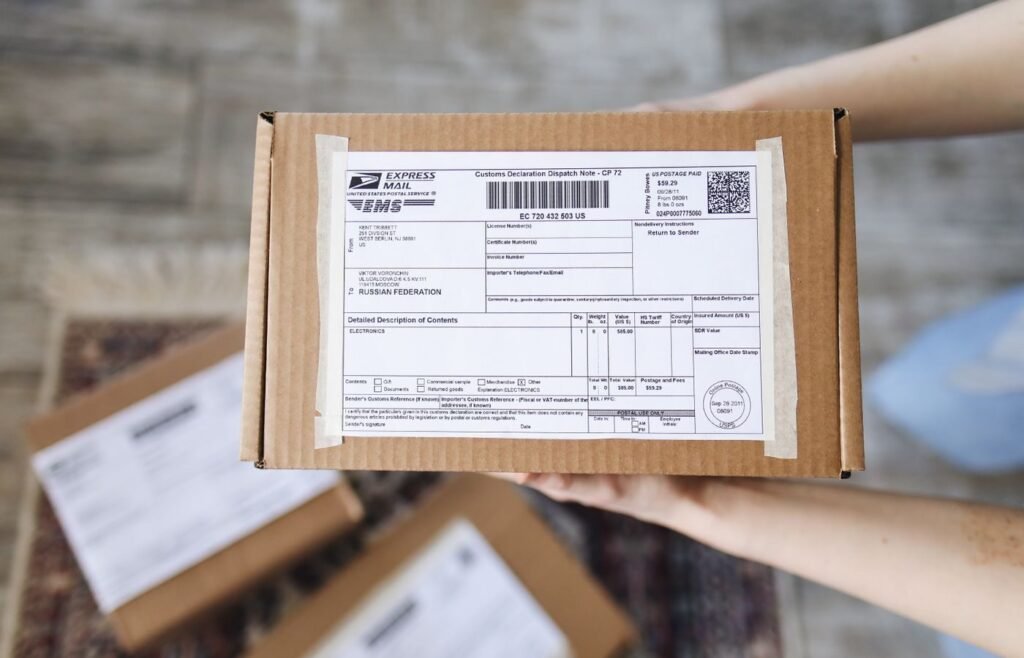
RETURNS ECONOMICS
What COD actually costs you
Whether cash on delivery is offered freely, restricted by pincode and cart value, or priced with a prepaid incentive changes conversion rate, return rate and support volume together. We model all three before recommending one.
We advise on commercial structure and pricing. GST registration and tax treatment itself should always be confirmed with your chartered accountant.
- Language
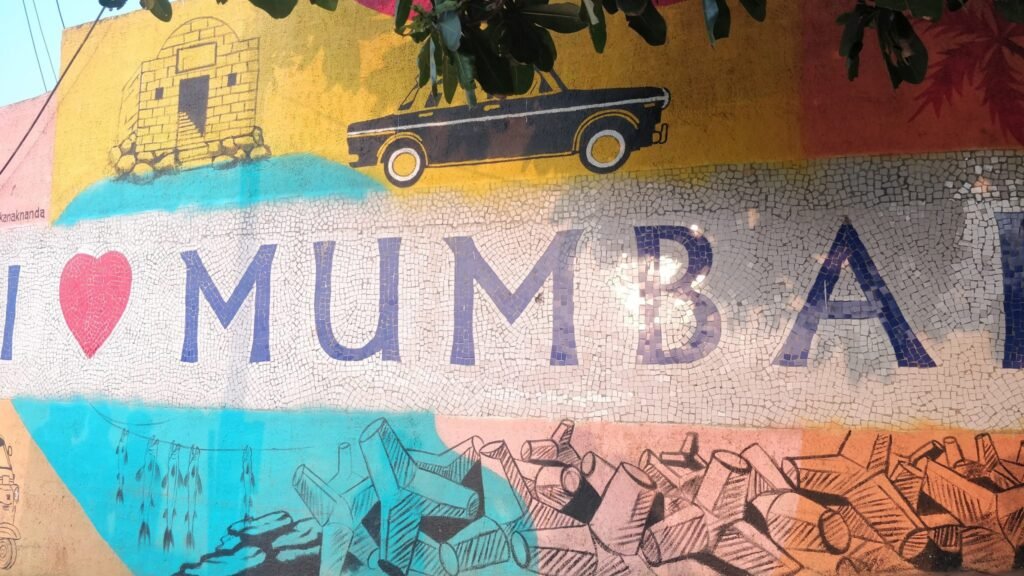
English, Hindi and regional-language experiences
Not every Indian business needs a multilingual storefront. Whether you do depends on your category, where your customers actually are and how you acquire them — so we size it before recommending it.
WHEN IT MATTERS
When a second language pays for itself
If non-metro demand is a meaningful share of your orders, or you are running paid media into Tier 2 and Tier 3 markets, a vernacular experience stops being a nice-to-have. We look at where your traffic and revenue actually come from before making the call.
- Share of sessions, orders and paid spend coming from each state and city tier
- Category norms — some verticals convert fine in English, others do not
- Whether support and returns can be handled in that language once you invite it

HOW WE BUILD IT
Doing it properly rather than partially
A half-translated store performs worse than an English-only one, because it promises an experience it cannot deliver. If we build a second language, we build the whole path: product content, checkout, email and support touchpoints.
- Product and category content translated by people, not machine-swapped
- Checkout, payment, shipping and returns messaging in the same language
- Vernacular keyword research rather than translated English keywords
- Lifecycle email, WhatsApp and support macros in both languages
If a second language is not commercially justified for your brand yet, we will say so rather than sell you the build.
- Acquisition
How we build demand in a discount-led market
India has no shortage of traffic. What it has is a shopper trained by a decade of festive discounting, so demand built on price alone never compounds. Each stage below has its own owner and its own number.
Demand
Traffic
Customer
Revenue
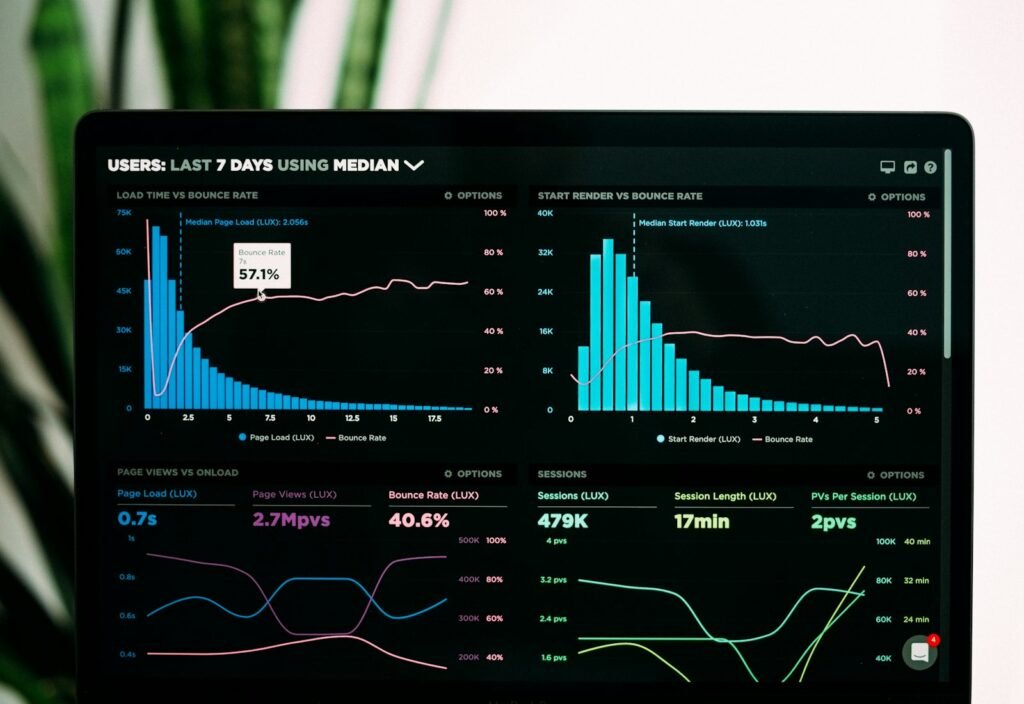
Category and product visibility in Indian search, with local and vernacular intent handled properly rather than inherited from a global site. The compounding channel that lowers blended acquisition cost over time.

Search, shopping, social and retail media managed to a blended target net of returns, with budget concentrated where serviceability and demand both work in your favour.

Creative is the biggest lever left in paid media, and in India it is also a returns lever: accurate imagery and sizing reduce the orders that come back. We produce and iterate against performance data rather than taste.
- Conversion and retention
Turning traffic into repeat revenue
Repeat rate is where Indian D2C economics are decided. A brand still under 20% repeat purchase at ninety days is buying every order twice, and no amount of ad efficiency fixes that.
Acquire
Convert
Retain
Grow
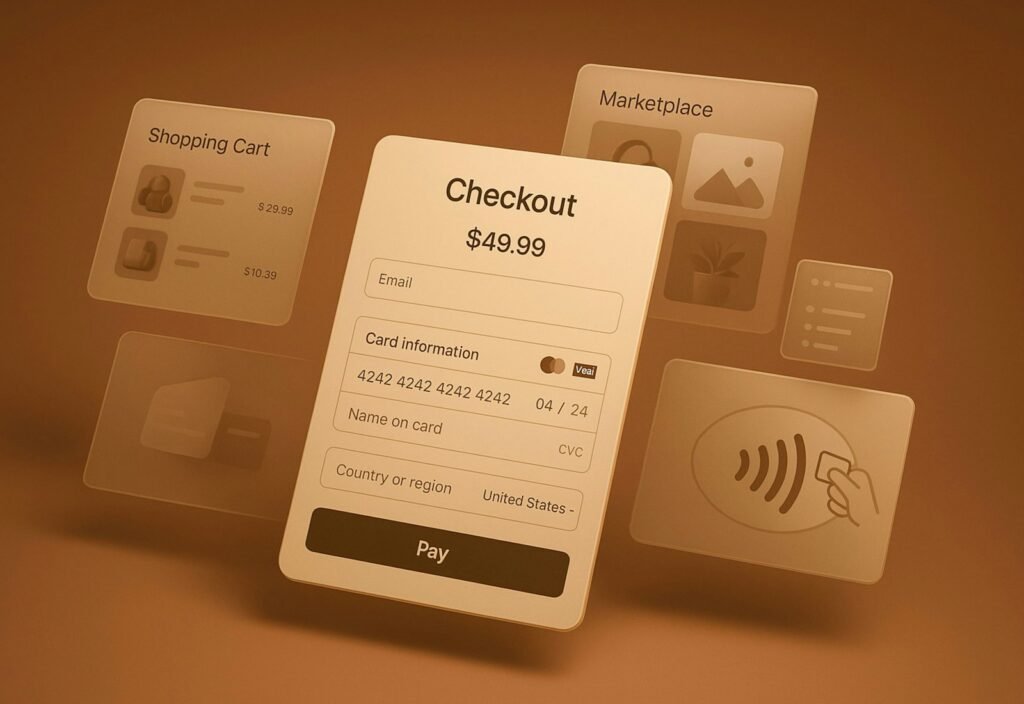
Research-led testing across PDP, cart and checkout, with payment choice, delivery promise and returns messaging treated as first-class conversion levers rather than legal small print.

Lifecycle flows, segmentation, replenishment timing and win-back campaigns built around real purchase intervals for your category, across email and WhatsApp.
Cohort reporting that shows what a customer is worth by channel, city tier, payment method and first product — so acquisition budget can be set with confidence instead of guesswork.
- Industries
Categories we help grow in India
Category economics differ more than channel tactics do, and India’s growth is uneven: health and pharma grew 48% and beauty and personal care 41% year on year, while fashion grew 21% and carries the heaviest returns. Each practice below has a dedicated page with the full method.








Not listed? The framework still applies — see all industries we work with.
- Market expansion
Beyond the domestic market
Once the Indian base is working, the next market should be chosen on landed cost and channel fit — not on which country sounds easiest.
INBOUND
Entering India from overseas
For international brands, India is a genuine market rather than a long-tail export line. Success usually comes down to whether stock sits locally, how the COD question is answered, and whether delivery promises are realistic outside the metros.
- An Indian 3PL or marketplace fulfilment versus cross-border shipping per order
- INR pricing, GST treatment and checkout transparency
- Marketplace account structure alongside an Indian storefront

OUTBOUND
Growing beyond India
The markets that usually work best for Indian brands are the ones with diaspora demand, a shared language or a strong marketplace route in. We size each before you commit inventory.
- The Gulf, where diaspora demand and air freight times are both in your favour
- The United Kingdom and United States where language and category fit are strong
- Southeast Asia where marketplaces lead the entry
- How we work
Our growth framework
The same six steps on every engagement, so you always know what is happening and why.
01
Understand
We start with your margin structure after commission, shipping and returns, your inventory reality and your current channel mix — not with a tactic list.
02
Audit
A full read of store, listings, paid accounts, lifecycle and analytics. We report what is broken, what is wasted and what is already working better than you think.
03
Strategize
A prioritised plan with owners, budgets and expected outcomes, sequenced so the fastest margin recovery happens first.
04
Execute
One team delivering across store, marketplaces, media, creative and lifecycle, working to a shared calendar rather than separate channel plans.
05
Optimize
Continuous testing and reallocation against contribution margin, with a weekly rhythm and a monthly deep review.
06
Scale
Export markets, then further channels, added only once the Indian core is profitable and the operation can absorb them.
You get the same senior team through all six steps — no handover to a junior pod after the pitch.
- Why us
Why Indian brands choose Dazzle Commerce
Three things clients tell us are different about working with us.

One accountable team
Store, marketplaces, media, creative and lifecycle under a single plan and a single owner.
- No finger-pointing between agencies
- One roadmap and one reporting pack
- Senior people on the account, not just the pitch
Margin-first reporting
We report contribution margin after commission, shipping, discounts and returns, not just revenue and ROAS.
- Shipping and RTO cost inside the numbers, by city tier and by payment method
- Cohort value by channel, region and first product
- Budget decisions defended with evidence
Returns and export depth
Deep Indian execution, plus the GCC and Western market experience to take you into the next market properly.
- RTO and prepaid conversion treated as a revenue workstream
- Marketplace expertise across Indian and international platforms
- Category practices behind every engagement
Ready to compare us properly? Start with the case studies and what engagements cost.
- Results
What this looks like in practice
Three engagements from our wider book. None of them is an Indian brand, so read them for the constraint rather than the country — in each case the thing holding growth back was not demand.

Home and kitchen brand, United States, DTC plus marketplace
MARKET CHALLENGE
One national free-shipping threshold across the United States. The bulky cookware the ads pushed hardest was losing margin in transit, so revenue grew while profit stayed flat.
STRATEGY
Rebuilt shipping thresholds by zone and product weight, then re-weighted paid spend toward the lanes where landed cost supported the promise.
SERVICES
eCommerce management, PPC, CRO, marketplace management.
RESULT
Contribution margin recovered without losing volume, and the marketplace listings stopped undercutting the owned store.
+38%
Contribution margin
-21%
Blended CAC
+12%
Repeat rate

Supplements and wellness, United Kingdom, subscription-led
MARKET CHALLENGE
Acquisition cost rising faster than lifetime value, with churn concentrated in the second and third months of the subscription.
STRATEGY
Reworked onboarding and replenishment timing around actual consumption intervals, then rebuilt win-back around the real churn window.
SERVICES
Email and retention marketing, CRO, creative, eCommerce marketing.
RESULT
Longer subscriber life meant acquisition budget could be raised rather than cut, and paid media stopped being the only growth lever.
+29%
Subscriber LTV
-34%
Month-3 churn
+18%
Revenue per email

Consumer appliances, Europe, marketplace-heavy
MARKET CHALLENGE
Listings competing against the brand’s own resellers, with buy-box share falling and returns creeping up on one core model.
STRATEGY
Cleaned up catalogue and variation structure, enforced pricing policy, and rewrote listing content around the specification questions driving returns.
SERVICES
Marketplace management, creative and content, eCommerce SEO.
RESULT
Buy-box share and organic marketplace rank both recovered, and the return rate on the problem model fell within a quarter.
+44%
Buy-box share
-17%
Return rate
+26%
Marketplace revenue
- Market insights
What we are seeing in India right now
Short reads from the accounts we run, updated as the market moves.

CONVERSION
In the FY26 festive quarter, 58% of cash-on-delivery orders came back against under 15% of prepaid ones. A small prepaid incentive is almost always cheaper than the freight on a refused parcel.

RETENTION
Quoting one national delivery window costs you every pincode it does not fit. Accurate estimates by city tier consistently lift second-order rate.

STRATEGY
Blending festive and non-festive performance into one annual number hides how much of the year the discount is funding. Splitting them is usually the first thing we change.
- FAQs
Questions Indian brands ask us
How do we bring our RTO rate down?
Three levers do most of the work: convert COD intenders to prepaid with a small incentive, tighten address and pincode validation at checkout, and fix the listing content and sizing that cause the return in the first place. Brands that ran all three went from 39.2% RTO at the November 2025 festive peak to around 21% by March 2026; brands that ran none stayed where they were.
Should we restrict cash on delivery?
Not outright. Restricting it by pincode serviceability and cart value, and pricing it so prepaid is the better deal, protects margin without losing the first-time buyer who needs COD to trust you.
Do we need a Hindi or regional-language store?
Only if non-metro demand is a meaningful share of your orders or your paid media reaches there. A half-translated store performs worse than an English-only one, so we size the opportunity before recommending the build.
Can you manage both our own store and our marketplace accounts?
That is the setup we prefer. Running them separately is how brands end up competing against themselves on price. See eCommerce management and marketplace management.
Which platforms do you support?
Shopify, WooCommerce, BigCommerce, Adobe Commerce, Wix and Squarespace on the store side, and the major marketplaces on the channel side. Each has its own platform page with the detail.
Do you advise on GST and duty?
We advise on commercial structure — how COD, shipping and discounts are priced, and what each does to conversion and returns. GST registration and tax treatment itself should be confirmed with your chartered accountant.
How is the work priced?
Retainer-based, scoped to the channels and service lines in play, with a clear list of what is included. Indicative ranges are on the pricing page.
How quickly do results show up?
Merchandising, listing and conversion fixes usually move numbers within weeks. Earned search visibility and retention gains build over quarters. We set expectations per workstream rather than promising one blended timeline.
Ready to grow properly in India?
Tell us what you sell, which channels you run and what your RTO rate looks like. We will come back with an honest read on what is fixable first — and what is not worth doing at all.