
- Made-in-China.com B2B Management
Made-in-China Agency for Export Manufacturer Growth
Supplier showroom and Audited Supplier management, export catalog optimization, search visibility, keyword advertising, RFQ and inquiry handling, and international buyer strategy — run as a B2B lead engine for manufacturers selling into export markets.
- Measured on qualified inquiries and wholesale orders, not on showroom views
- Audit and certification evidence presented the way sourcing managers evaluate it
- Inquiry response staffed against buyer time zones, not yours
+2.6x
Qualified inquiries
<3h
Inquiry response
+41%
RFQ win rate
3.1x
Ad-sourced leads
- The Problem
B2B challenges we solve on Made-in-China
Made-in-China.com is an export marketplace built around manufacturing credibility. Twelve problems below, and most suppliers we audit are losing on at least six of them.
Run like a retail catalog
Consumer-style product pages on a marketplace where buyers are assessing factories, capacity and compliance.
Slow inquiry response
Buyers contacting five suppliers at once and hearing back from three before you open the message.
RFQs ignored or answered badly
Quotation requests left unanswered, or replied to with a unit price and nothing a buyer can act on.
Audit status unused
Audited Supplier verification paid for and then never surfaced anywhere a buyer would notice it.
Thin product specifications
Technical fields left blank, so products never surface in the filtered search sourcing managers rely on.
No factory evidence
No production line, no quality control, no capacity imagery — nothing that proves you manufacture at all.
Invisible in showroom search
Keyword coverage built from your product naming rather than from how export buyers actually search.
Advertising spent broadly
Budget on category head terms generating inquiries from traders and buyers below your minimum order.
One pitch for every market
The same listing and the same terms for buyers in Germany, Brazil, the Gulf and Southeast Asia.
No MOQ or pricing logic
Minimums and price breaks set arbitrarily, filtering out exactly the buyers you wanted to reach.
No pipeline visibility
Showroom views and clicks reported, with no view of inquiries, quotations, samples or orders won.
Owned by nobody
The account treated as an admin task rather than a sales channel, so response times and content quality drift.
- What We Do
Our Made-in-China services
Eight services covering the whole account. On Made-in-China.com the audit report is the credibility document buyers read first, so showroom evidence and inquiry handling carry more weight than listing volume.
01
Day-to-day account operations, showroom upkeep, membership status and the weekly rhythm behind them.
02
Export Catalog Management
Product creation, technical specifications, MOQ and tier pricing across the full range.
03
Keyword research from export sourcing behaviour, plus listing and attribute optimization.
04
Showroom and product promotion bought against sourcing keywords, weighted to the product lines you can tool and ship at volume.
05
RFQ & Inquiry Management
Quotation opportunity screening, response templates, follow-up cadence and pipeline tracking.
06
Product photography, technical graphics, factory imagery and certification presentation.
07
Export market selection, certification fit and localisation for the markets your capacity and test reports actually support.
08
Inquiry, quotation and order tracking by product line, with cost per qualified inquiry measured against membership and promotion spend.
Also listed on other B2B marketplaces? See Alibaba.com, 1688, DHgate, or all platforms we support.
- Profile
Supplier showroom & profile management
Your showroom is the shortlisting document. A sourcing manager comparing five factories reads it before your product page and decides from it whether you are worth an inquiry.
- Company profile build-out — capability, scale, history and specialisation
- Audited Supplier and verification status maintained and presented properly
- Certifications, test reports and compliance documentation surfaced where buyers look
- Factory, production line and quality-control imagery kept current
- Showroom layout, product grouping and featured product selection
- Company introduction and capability content written for a sourcing audience
- Trade capability detail — export markets, terms, lead times and annual capacity
- Membership tier and showcase allocation reviewed against search competition
- Response performance and transaction history monitored as credibility signals
Same operating discipline as our eCommerce management service, applied to a B2B export supplier account.
- Catalog
Export product catalog optimization
A Made-in-China.com catalog is read as a capability document. Buyers filter on specification, certification, MOQ and customisation, and the attribute fields decide whether you appear in that filtered view at all.
Buyer Research
- Export sourcing keyword research per product line
- Competitor supplier and price benchmarking
- Category and attribute requirement mapping
Listing Content
- Titles built to how sourcing managers search
- Full technical specification tables
- Customisation, OEM and ODM capability stated clearly
- Certification and compliance detail per product
Commercial Structure
- MOQ set from real production economics
- Tier pricing and price-break structure
- Lead times, sample policy and packaging detail
- Product grouping and catalog taxonomy
Optimization
- Information completeness tracked product by product
- Search visibility by keyword and product line
- Inquiry rate by product rather than conversion rate
- Continuous updates on a documented cycle
The metric that matters is inquiries per product, not orders per visit. A product with showroom traffic and no inquiries is usually missing specification depth, or carries an MOQ that screens out the buyers who found it.
- Organic
Made-in-China search visibility
Made-in-China.com search weighs keyword relevance, information completeness, audit and membership status, and response performance together. Keyword work alone moves one of the four.
- Keyword research from export sourcing behaviour, not retail search behaviour
- Product title optimization within character limits and for scan-reading
- Attribute completeness, which drives the filtered search B2B buyers rely on
- Category placement and product grouping
- Technical specification depth as a relevance and quality input
- Certification and audit signals that affect shortlisting
- Supplier credibility inputs — verification, history and response rate
- Competitor supplier visibility and positioning analysis
- Ongoing optimization cycles rather than a one-off listing rewrite
Marketplace search and web search are different disciplines. Our web methodology is on the eCommerce SEO page.
- Paid
Advertising & buyer acquisition
Paid placement here buys inquiries, not orders. That changes how it should be structured, measured and excluded — the goal is fewer, better-qualified conversations rather than more clicks.
- Keyword advertising structured by product line and buyer intent
- Showcase and featured placement allocated to products that convert to inquiries
- Negative and exclusion discipline against sub-MOQ and trader-only search terms
- Bid management by keyword competitiveness and lead value
- Budget weighted toward the export markets you can actually serve profitably
- Landing product selection so the ad and the specification match buyer intent
- Search-term analysis reviewed weekly against inquiry quality, not click volume
- Advertising measured on cost per qualified inquiry and cost per won order
- Interaction between paid placement and organic visibility managed deliberately
Our wider paid media methodology sits on the PPC & paid advertising page.
- Pipeline
RFQ & lead opportunity management
This is where Made-in-China.com revenue is won or lost. The funnel runs from showroom visibility to a wholesale order through quotations and people, not through a checkout.
Visibility
Buyer inquiry / RFQ
Qualified lead
Sample & negotiation
Wholesale order
Opportunity Screening
- RFQ monitoring across your product categories
- Screening against capacity, MOQ and target markets
- Prioritisation by order value and win probability
Quotation Quality
- Structured quotations with tier pricing and lead times
- Incoterms, sample policy and packaging stated up front
- Certification and capability evidence attached
Response & Follow-Up
- First-reply coverage against buyer time zones
- Defined follow-up cadence rather than one message
- Templates that still read as written by a person
Pipeline Management
- Every inquiry tracked through to quotation and outcome
- Lead qualification so sales time goes to real buyers
- Win and loss reasons recorded and fed back into listings
Most suppliers can double results here before touching visibility — by replying inside the buyer’s working day, quoting with lead times and tier pricing, and following up more than once.
- Content
Product & company content
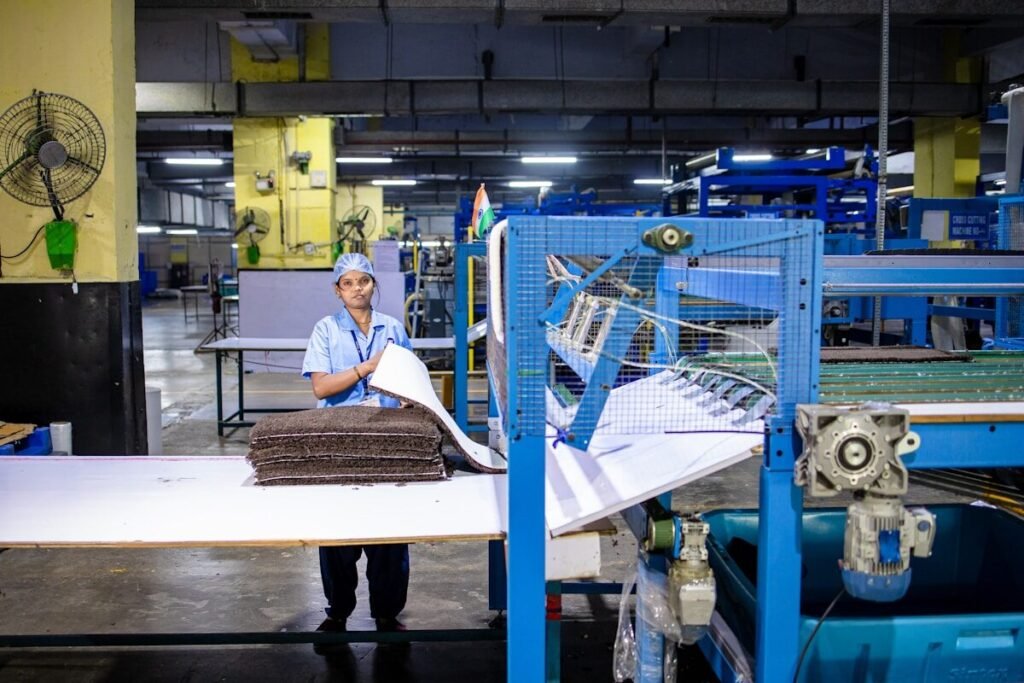
Export buyers are picking a manufacturing partner, not an item. What persuades them is evidence: audit findings, certification scans, production line photography and tolerance detail. Eight asset types below, in the order they earn their production cost.

Main product image
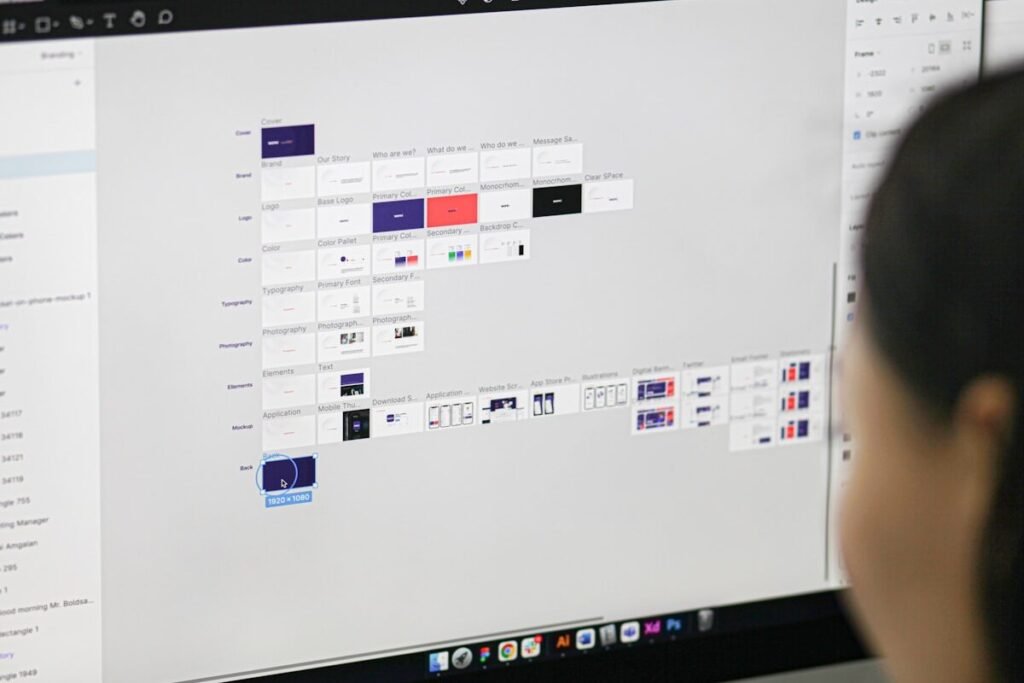
Technical drawings
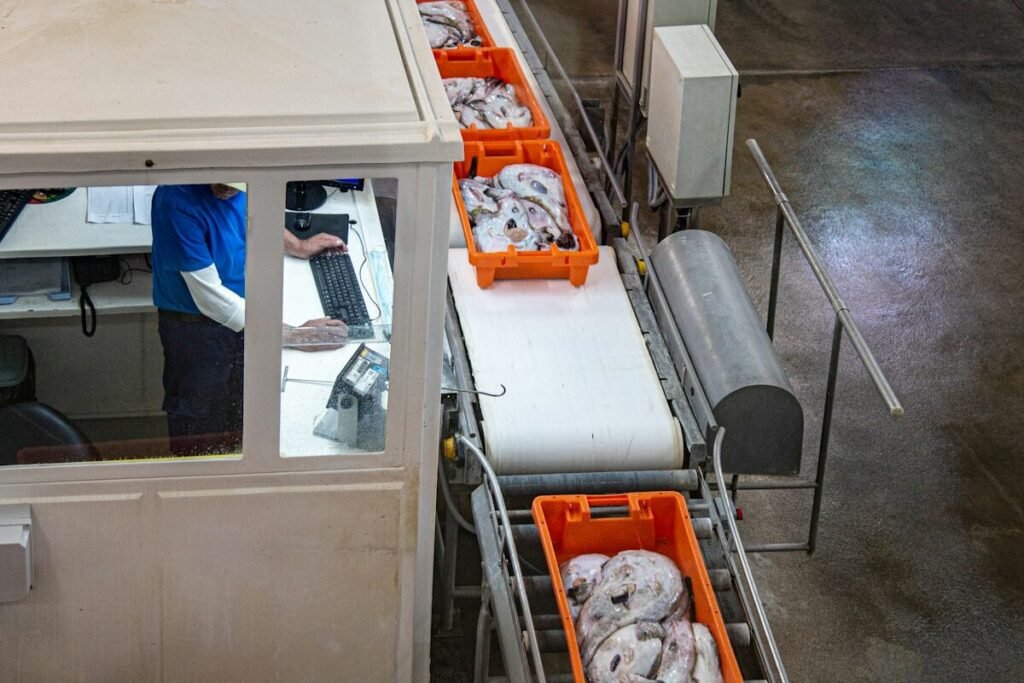
Factory & production imagery
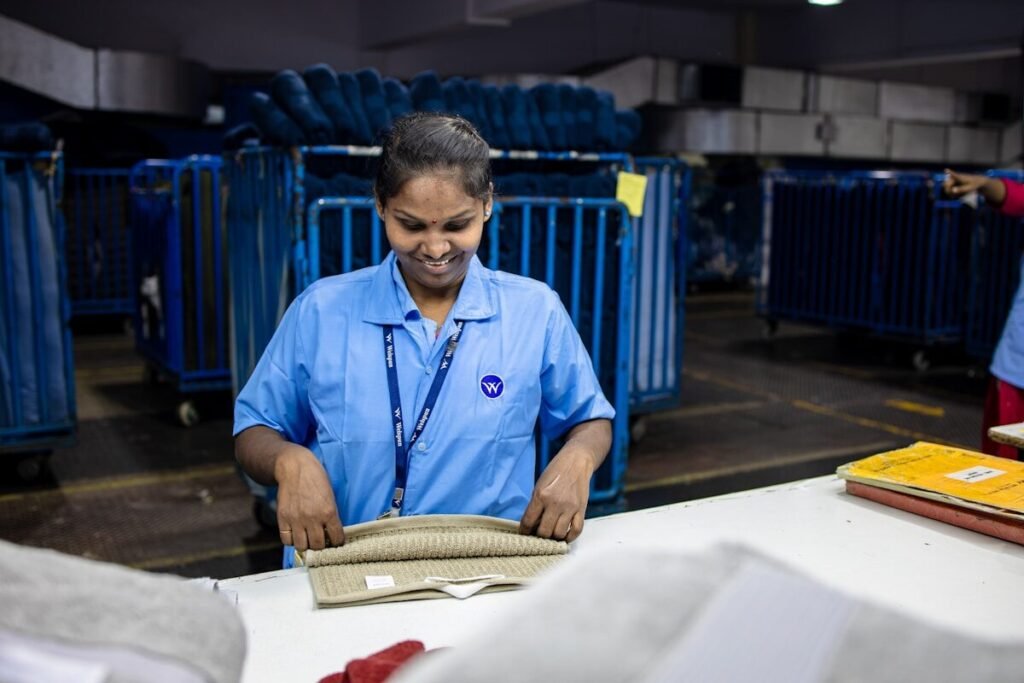
Quality control imagery
Certification presentation

Customisation & OEM examples
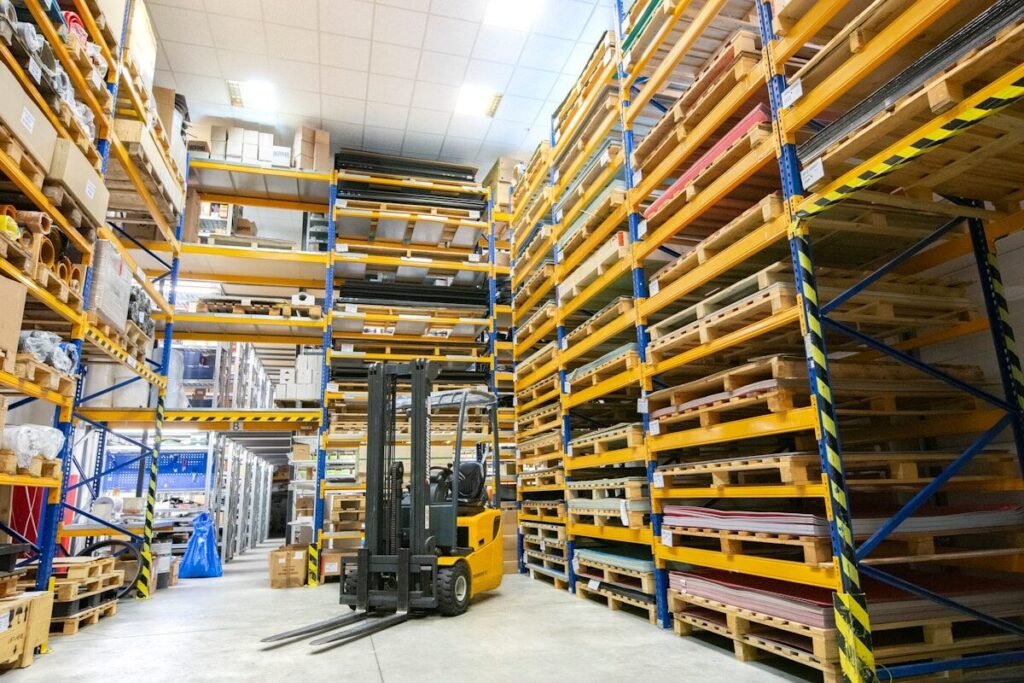
Export packaging visuals

Factory tour video still
- Product imagery that shows construction and finish rather than lifestyle context
- Technical drawings and specification graphics that answer the engineer’s questions
- Factory, production line and capacity imagery as capability evidence
- Quality control and testing documentation presented visibly
- Certifications and audit reports surfaced where buyers look for them
- OEM, ODM and customisation examples that show what you can actually do
- Export packaging, carton and pallet detail for logistics-minded buyers
- Company content written for a sourcing audience rather than a consumer one
Full creative process and portfolio on our creative & content page.
- Markets
International buyer & market strategy
Deciding which export markets you are actually trying to win changes your keywords, your certifications, your pricing and your quotation format. Most suppliers skip this and market to everyone equally, which means marketing to nobody in particular.
Market selection
Positioning
Compliance
Pricing & terms
Buyer outreach
Account growth
Market Prioritisation
- Export market selection by demand, competition and served capability
- Buyer-type profiling — distributor, brand, retailer or fellow manufacturer
- Regional certification and compliance requirements mapped before you pitch
Positioning
- Differentiation against the suppliers you are actually shortlisted alongside
- Capability messaging matched to what each market’s buyers care about
- Language and terminology adapted per market rather than translated once
Commercial Terms
- Incoterms, payment terms and lead times set per market and buyer type
- Tier pricing structured for the order sizes each market actually places
- Sample and trial-order policy designed to open accounts, not to break even
Account Development
- First-order to repeat-order follow-through as a defined process
- Existing-buyer expansion across your product range
- Off-platform relationship continuity once the account is established
Certification is the dividing line. A supplier cleared for the EU and one selling into Latin America rarely hold the same marks, quote on the same terms or present the same test reports. Deciding which markets you are actually chasing sets everything downstream.
- Health
B2B marketplace performance
The monitoring layer. Here the metrics that matter sit in the pipeline rather than in the showroom, and response performance feeds back into visibility.
- Response rate and response time monitored against platform expectations
- Inquiry volume and quality tracked by product line and by market
- Quotation volume, win rate and loss reasons recorded systematically
- Product information completeness and listing status monitoring
- Search visibility and keyword position tracking by product line
- Advertising performance measured on cost per qualified inquiry
- Audit status, buyer feedback and transaction history
- Competitor supplier positioning and pricing movement
- Pipeline reporting by stage rather than a showroom traffic dashboard
- How It Works
Our Made-in-China growth process
Six steps. The pipeline sits underneath all of them, because visibility only matters if the inquiry it produces gets answered properly.
01
Audit
Audit status and report age, showroom completeness, catalog attributes, search visibility, promotion spend, inquiry response times and inquiry-to-order conversion reviewed together. You keep the document either way.
02
Research
Sourcing-keyword research, benchmarking against the audited suppliers you appear beside, and market prioritisation against what you can certify and ship.
03
Build the Strategy
A twelve-month plan covering audit renewal, showroom, catalog attributes, search, promotion and inquiry handling, with named owners and a target at each pipeline stage.
04
Optimize & Implement
Showroom and catalog first, because advertising into a thin profile produces inquiries that go nowhere.
05
Advertise & Acquire
Promotion bought against sourcing terms by product line, plus a standing routine for quoting the inquiries worth winning.
06
Monitor & Scale
Pipeline monitored weekly by stage, then scaling — more product lines, more markets, or a higher membership tier where the numbers justify it.
The single highest-return fix on most accounts here is response time. Buyers shortlist from who replies first with something useful, long before they compare on price.
- Fit
Made-in-China services by business goal
Start from the outcome you need this quarter. Most suppliers need two of these, not eight.
Business goal
How we help
Launch on Made-in-China
Account setup, showroom build, audit preparation, catalog upload with full attribute coverage, MOQ and tier pricing, and a launch plan.
Get found by buyers
Search visibility — sourcing keyword research, listing and attribute optimization.
Generate more inquiries
Search visibility plus keyword advertising plus systematic RFQ participation.
Improve inquiry quality
Attribute, MOQ and tier-pricing work so the buyers who reach you are ones you can serve profitably.
Win more RFQs
RFQ management — opportunity screening, quotation structure and follow-up cadence.
Strengthen supplier credibility
Showroom, audit status, certifications and capability content.
Enter new export markets
International buyer strategy — market prioritisation, localisation and positioning.
Scale wholesale revenue
Integrated B2B strategy across showroom, catalog, search, ads and pipeline.
- Why Us
Why choose us for Made-in-China
Eight reasons you can check rather than take on trust. Ask us for evidence on any of them.
B2B Funnel Expertise
We run it as a lead pipeline — showroom visibility, inquiry, quotation, negotiation, order — not as a storefront.
Response Time Treated Seriously
Inquiry and RFQ response measured and staffed, because it is the input buyers judge suppliers on first.
Audit Evidence Presented Properly
Verification, certifications and factory detail surfaced the way a sourcing manager evaluates them.
Lead Quality Over Lead Volume
MOQ, tier pricing and market targeting set so inquiries arrive from buyers you can serve at a margin.
International Market Awareness
Market-by-market planning: which certifications to lead with, how to position against the suppliers beside you, and what to localise for each destination.
Data-Driven Optimization
Decisions come from sourcing search terms, inquiry sources and quotation outcomes — not from category habit.
Transparent Pipeline Reporting
Pipeline reporting by product line and destination market: inquiries in, quotations out, negotiations open, orders closed.
Multi-Marketplace Capability
Made-in-China alongside Alibaba.com and 1688, on one commercial strategy.
- Proof
Made-in-China results & case studies
Three suppliers with the baseline, the work and the outcome. Full write-ups on the case studies page.
Weiland Machinery
Made-in-China — industrial equipment manufacturer

Weiland factory capability
CHALLENGE
Average inquiry response time of 21 hours, with roughly a third never answered. Audited Supplier status held for two years and shown nowhere.
SERVICES
RFQ and inquiry management, showroom management, analytics.
STRATEGY
Staff the inbox against buyer time zones, rebuild the showroom around audit and capacity evidence, and track every inquiry to quotation.
RESULT
Response time under three hours, qualified inquiries up 2.6x within two quarters, and nine new export accounts opened.
<3h
Response time
2.6x
Qualified inquiries
9
New accounts
Nordray Plastics
Made-in-China — injection moulding supplier
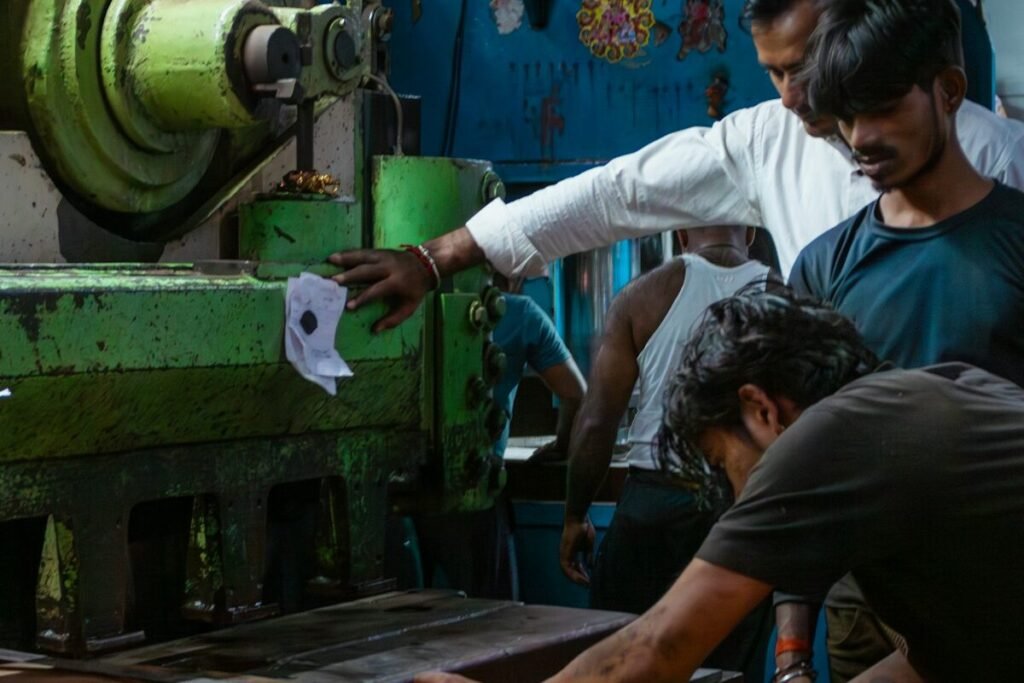
Nordray technical drawings
CHALLENGE
Quotations sent as a unit price with no tooling cost, no lead time and no tolerance detail, so technical buyers stopped replying after the first exchange.
SERVICES
RFQ management, catalog management, product and company content.
STRATEGY
Rebuild the quotation format around tooling, tiers, tolerances and lead times, and add technical drawings to every listing.
RESULT
RFQ win rate up 41%, average order value up 28%, and the sales team spending its week on fewer, better-qualified conversations.
+41%
RFQ win rate
+28%
Avg order value
-35%
Unqualified leads
Kaisen Electronics
Made-in-China — components manufacturer
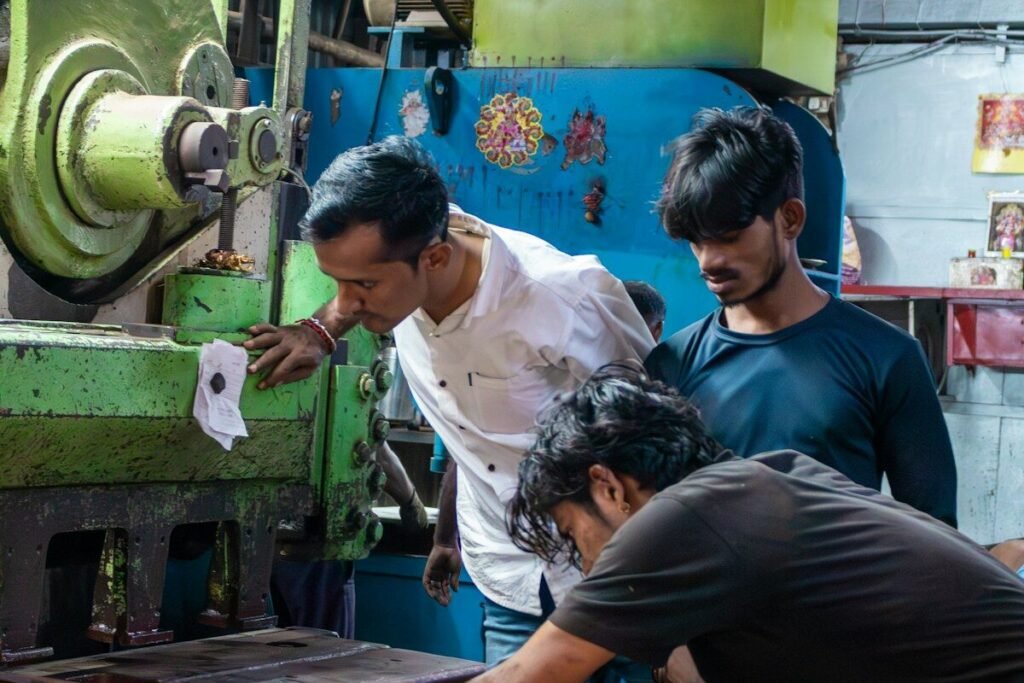
Kaisen component range
CHALLENGE
Keyword advertising spending most of its budget on broad category terms, generating inquiries from traders and from buyers below the minimum production run.
SERVICES
Keyword advertising, search visibility, international buyer strategy.
STRATEGY
Restructure campaigns by product line and buyer intent, exclude trader-only terms, and prioritise five export markets over thirty.
RESULT
Ad-sourced qualified leads up 3.1x on the same annual budget, with cost per qualified lead down 54%.
3.1x
Qualified leads
-54%
Cost per lead
5
Priority markets
- FAQs
Made-in-China FAQs
Eight questions that come up in most Made-in-China conversations. More on our full FAQ page.
How is Made-in-China different from Alibaba.com?
Both are export B2B marketplaces aimed at international buyers, and many suppliers list on both. Made-in-China.com skews more heavily toward industrial and machinery categories and leans harder on third-party audit and verification as a trust mechanism, where Alibaba.com has broader category coverage and a larger buyer base. Practically, the disciplines are the same — showroom credibility, catalog depth, search visibility and inquiry handling — but the competitive set and the buyer mix differ, so the listings and priorities are not identical.
Is Audited Supplier status worth paying for?
In most industrial categories, yes. It is one of the few signals a buyer can check independently before contacting you, and it moves you into a shortlist you would otherwise miss. The mistake we see constantly is suppliers paying for the audit and then never surfacing it — no badge placement, no report summary, no mention in the company profile. The status only earns its cost if a buyer actually encounters it.
How quickly do we need to respond to inquiries?
Faster than feels reasonable. Buyers message several audited suppliers at once and start shortlisting from whoever answers first with something usable. A same-day reply carrying lead time and tier pricing beats a next-day reply with a lower unit price more often than suppliers expect. We staff response cover against buyer time zones, not yours.
Should we chase every RFQ?
No — screen first. Every inquiry is worth testing against what you can actually produce, at what quantity, to which market’s certification requirements. Quoting everything burns the sales week and drags quotation quality down across the board. We quote properly on the ones worth winning: lead time, tier pricing, tooling cost where it applies, and the test reports that support the number.
How should MOQ and tier pricing be set?
From your own production economics, then used as a filter. Set it too low and you attract buyers who cost more to serve than they return; too high and you screen out the accounts that would have grown. We model it per product line and revisit it as the mix and the tooling change, rather than publishing one figure across the catalog.
Is paid advertising worth it here?
Yes, when it is structured. The failure mode is bidding on broad category terms and generating inquiries from traders and sub-MOQ buyers. Campaigns built by product line and buyer intent, with those terms excluded and budget weighted toward markets you can serve, perform very differently from the same budget spent broadly.
Can you manage Made-in-China alongside Alibaba.com?
Yes, and most export suppliers should run at least two. The showroom content, catalog and quotation process benefit from being built once and adapted, rather than duplicated. We keep the positioning consistent while respecting that the competitive set and buyer mix differ between platforms. See Alibaba.com or all platforms we support.
Who owns the Made-in-China account?
You do, always. We work under our own user permissions inside your account. If the relationship ends, we remove our access and everything — showroom, catalog, content, campaigns, documentation — stays with you.
Find out why your Made-in-China inquiries are not becoming orders
Book a Made-in-China.com audit. We will review audit status, showroom completeness, catalog attributes, search visibility, promotion spend, RFQ activity and inquiry-to-order conversion, then name the two fixes that matter most — whether or not you hire us.