Europe is not one market. We run eCommerce management and marketing across multiple European countries at once — storefronts, marketplaces, localisation and cross-border logistics — without pretending a single plan fits all of them.
Country prioritisation based on landed cost and category fit
Localisation that goes beyond translated product titles
VAT, OSS and consumer-law constraints planned before launch
One team across storefronts, marketplaces, media and lifecycle
Listing quality, buy-box health, retail media and account operations across the European marketplace landscape.
Every service is delivered by the same team that owns your number, so nothing falls between store, ads and lifecycle.
Buying journey
How European shoppers actually decide
The stages look familiar. What changes between countries is which channel dominates each stage, and what a shopper expects to see in their own language.
Discover
Research
Compare
Purchase
Delivery
Experience
Repeat
DISCOVER
Discovery channels differ by country
Search dominates in some markets, marketplaces and comparison engines in others, social in others again. We build the channel mix per market rather than exporting one playbook.
RESEARCH & COMPARE
Shoppers compare in their own language
Machine-translated product content reads as untrustworthy and converts accordingly. Local-language content, local payment methods and a local returns address all do measurable work here.
DELIVERY & REPEAT
Delivery and returns are regulated as well as competitive
Statutory withdrawal rights mean returns are a legal baseline, not a differentiator. Making them easy is still what earns the second order.
Channels
Where European revenue is won
Most brands selling into Europe run three layers at once. We keep them coordinated so they compound instead of cannibalising each other.
Your own storefront
The margin channel, and in Europe usually a set of storefronts rather than one. We manage the platform, localisation, currency and checkout experience.
Six decisions that determine whether a European programme scales or stalls after the first country.
PRIORITISATION
Choosing which countries to enter
Not every market deserves the same investment. We rank candidates on category demand, competitive density, landed cost and the effort required to localise properly — then sequence entry rather than launching everywhere at once.
FULFILMENT
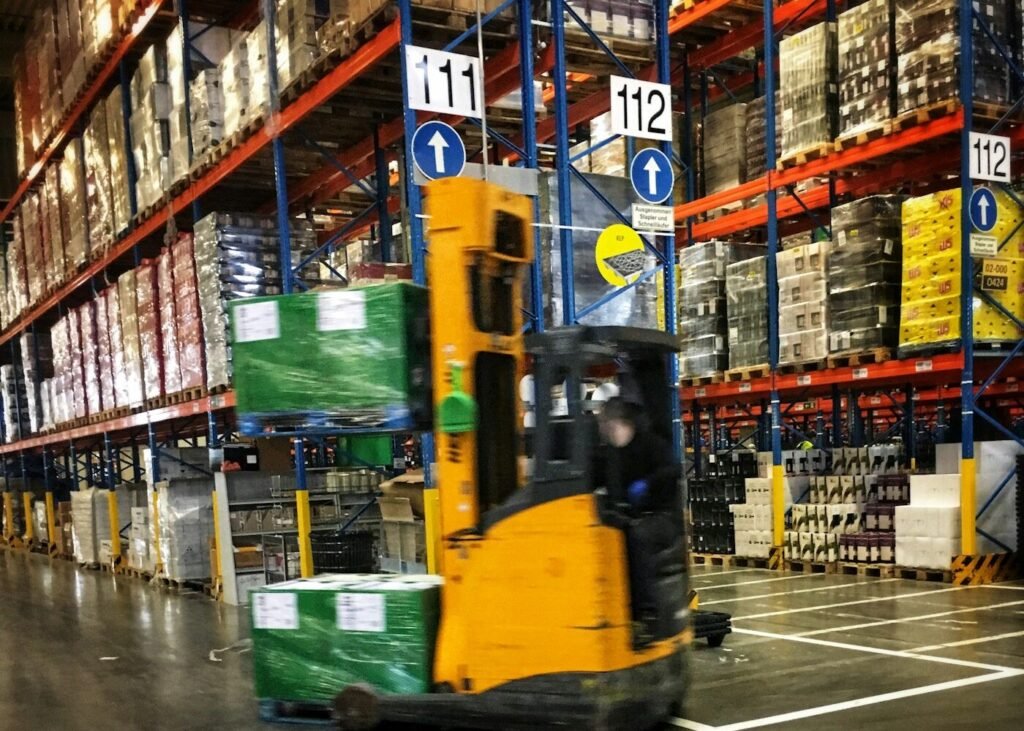
Cross-border fulfilment and delivery
Where stock sits determines your delivery promise, your return costs and often your conversion rate. We model central versus distributed fulfilment against your actual order profile.
MARKETPLACES
A different marketplace leader per market
The platform that dominates in one country may be marginal in the next. Marketplace strategy is set country by country, not once for the continent.
PAYMENTS
Local payment methods matter
Preferred payment methods vary sharply between European markets, and missing the local favourite costs conversion in a way no amount of ad spend recovers.
PRICING
Pricing and margin per country
Freight, duty, VAT rate and competitive floor all differ. One European price list is convenient for you and expensive for your margin.
TRADING CALENDAR
Promotional calendars do not align
Peak weeks, sale periods and gifting seasons differ across European markets. We build a trading calendar per country rather than exporting one from home.
Localisation and regulation
Localisation, tax and consumer law
These are the two areas where European programmes most often get stuck. Both are solvable, and both are much cheaper to plan before launch than to retrofit after it.
LOCALISATION
Localisation beyond translation
A translated product title is not a localised store. Sizing conventions, imagery, payment options, delivery language and support hours all signal whether you are actually present in a market or just shipping to it.
Per-market keyword research rather than translated English keywords
Correct hreflang and URL architecture so markets do not compete with each other
Local sizing, units, formats and imagery conventions
Support and returns handled in the language you advertise in
Distance-selling thresholds, One Stop Shop registration, duty treatment and statutory withdrawal rights all shape what you can promise on the product page. We plan the commercial structure around the treatment your advisers confirm.
OSS registration route matched to where your demand actually is
Duty-inclusive pricing so checkout carries no surprises
Returns policy that meets statutory minimums without destroying margin
Product content that satisfies local labelling and claim requirements
Per-market keyword research and a technically correct international architecture, so each country ranks on its own terms instead of cannibalising its neighbours.
Creative adapted per market rather than run identically everywhere — and produced at a cadence that keeps several markets supplied without ten times the budget.
Conversion and retention
Turning traffic into repeat revenue
Cross-border acquisition is expensive. Margin is protected on the conversion and retention side of the equation.
Research-led testing across PDP, cart and checkout, with local payment options, duty-inclusive pricing and per-country delivery messaging treated as core conversion levers.
Cross-border works in both directions. The constraint is almost always tax registration and fulfilment placement rather than demand.
INBOUND
Entering the European market
For brands outside the EU, the decisions that matter happen before launch: importer of record, OSS registration, where stock sits and whether duty is absorbed or passed on. Marketing cannot rescue a bad answer to any of them.
EU stock placement versus shipping cross-border per order
OSS and VAT route matched to your order profile
Two or three priority countries first, not twenty at once
For European brands with a working domestic base, the next market should be chosen on landed cost, channel fit and how much localisation it demands — not on which country feels most familiar.
The United States and United Kingdom where scale and language help
The Gulf where premium categories perform strongly
The same six steps on every engagement, applied per market rather than once for the continent.
01
Understand
We start with your margin structure after freight, duty and VAT, your inventory placement and your current channel mix — not with a tactic list.
02
Audit
A full read of storefronts, listings, paid accounts, lifecycle and analytics across every market you already sell in, plus the ones you are considering.
03
Strategize
A prioritised country sequence with owners, budgets and expected outcomes, so entry happens in an order your operation can absorb.
04
Execute
One team delivering across storefronts, marketplaces, media, creative and lifecycle, working to a shared calendar that respects local trading periods.
05
Optimize
Continuous testing and reallocation against contribution margin per country, with a weekly rhythm and a monthly deep review.
06
Scale
New countries added only once the existing ones are profitable and localisation can be maintained rather than merely launched.
You get the same senior team through all six steps — no handover to a junior pod after the pitch.
Why us
Why brands choose us for Europe
Three things clients tell us are different about working with us.
One accountable team
Storefronts, marketplaces, media, creative and lifecycle under a single plan and a single owner, across every market.
No separate agency per country
One roadmap and one reporting pack
Senior people on the account, not just the pitch
Localisation done properly
We localise the whole path rather than translating the product titles and hoping.
Per-market keyword research, not translated keywords
Correct hreflang so markets stop competing with each other
Payment, delivery and support in the language you advertise in
Margin-first reporting per country
We report contribution margin and cohort value market by market, so subsidies between countries are visible.
Freight, duty and VAT inside the numbers
Cohort value by country, channel and first product
Three engagements with a European dimension, and the constraint that was actually holding growth back.
Kitchenary
Home and kitchen brand, multi-country DTC
MARKET CHALLENGE
One European price list and one central warehouse. Delivery times to the southern markets were uncompetitive, and duty was appearing as a surprise at the door.
STRATEGY
Moved to duty-inclusive pricing, split the price list by market, and placed stock closer to the two countries carrying most of the volume.
Contribution margin recovered and the checkout abandonment caused by unexpected fees largely disappeared.
+38%
Contribution margin
-21%
Blended CAC
+12%
Repeat rate
NutriBlend
Supplements and wellness, subscription-led
MARKET CHALLENGE
Acquisition cost rising faster than lifetime value, with churn concentrated in the second and third months of the subscription.
STRATEGY
Reworked onboarding and replenishment timing around actual consumption intervals, then rebuilt win-back around the real churn window, segmented by market.
SERVICES
Email and retention marketing, CRO, creative, eCommerce marketing.
RESULT
Longer subscriber life meant acquisition budget could be raised rather than cut, and paid media stopped being the only growth lever.
+29%
Subscriber LTV
-34%
Month-3 churn
+18%
Revenue per email
Vac & Vacuums
Consumer appliances, marketplace-heavy
MARKET CHALLENGE
Listings competing against the brand’s own resellers, with buy-box share falling and returns creeping up on one core model.
STRATEGY
Cleaned up catalogue and variation structure, enforced pricing policy, and rewrote listing content around the specification questions driving returns.
SERVICES
Marketplace management, creative and content, eCommerce SEO.
RESULT
Buy-box share and organic marketplace rank both recovered, and the return rate on the problem model fell within a quarter.
How many European countries should we launch in first?
Usually two or three. The brands that scale sequenced their entry; the ones that stall launched everywhere and localised nowhere. We rank candidates on demand, competition, landed cost and localisation effort.
Do we need a separate store per country?
Not always. Some catalogues work well from one multi-currency store with correct hreflang; others genuinely need separate storefronts. It depends on how much your pricing, assortment and content differ per market.
Can marketplaces be used to test a market first?
Yes, and it is often the cheapest way to find out whether demand exists before committing to localisation. See marketplace management.
Do you handle VAT and OSS registration?
We plan the commercial structure around the treatment your advisers confirm — pricing, duty handling and what the checkout shows. The registrations themselves are your accountant’s work, not ours.
How do you stop our country sites competing with each other?
Correct hreflang and URL architecture, per-market keyword research and distinct content. Most of the international SEO problems we inherit come from one site duplicated rather than localised. See eCommerce SEO.
Which platforms do you support?
Shopify, WooCommerce, BigCommerce, Adobe Commerce, Wix and Squarespace on the store side, and the major marketplaces on the channel side. Each has its own platform page with the detail.
How is the work priced?
Retainer-based, scoped to the markets, channels and service lines in play, with a clear list of what is included. Indicative ranges are on the pricing page.
How quickly do results show up?
Merchandising, listing and conversion fixes usually move numbers within weeks. Localised search visibility and retention gains build over quarters. We set expectations per workstream and per market.
Ready to grow properly across Europe?
Tell us which markets you already sell in, which you are considering, and where stock sits today. We will come back with a country sequence and an honest read on what is worth doing first.