
- Case study · Food & Beverage
Verdano Foods: an honest delivery promise beat a fast one
An Australian food brand losing conversions at the last step and complaints after it. The fix was not a faster courier — it was telling people the truth about when their order would arrive.
PLATFORM
INDUSTRY
MARKET
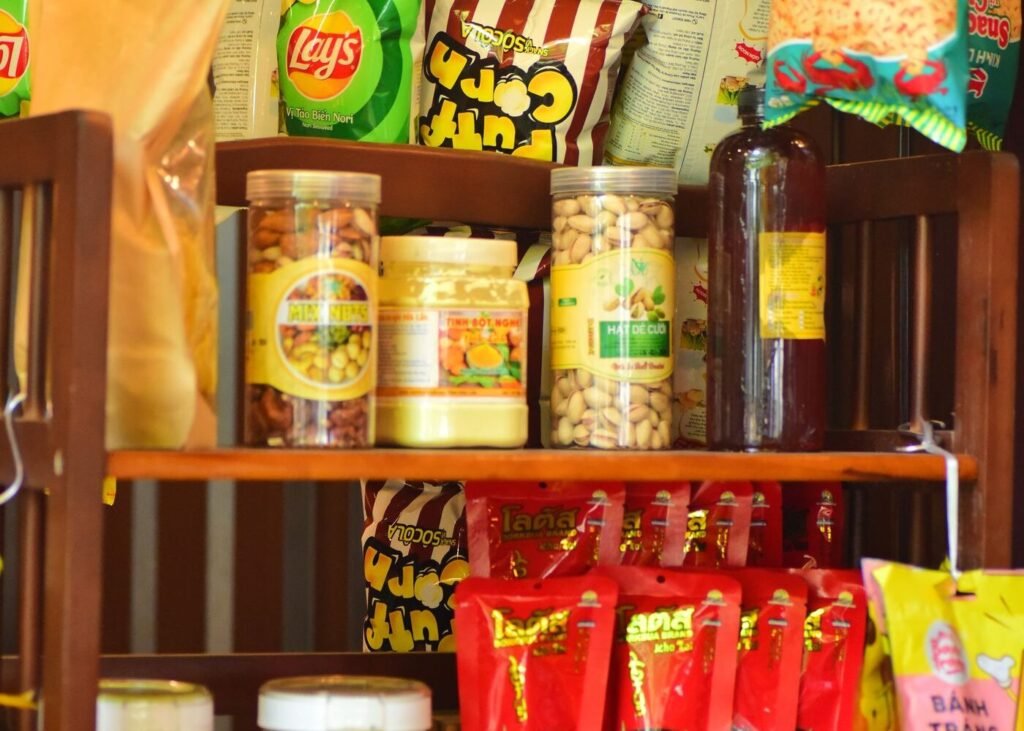
Verdano’s chilled and ambient ranges — two very different delivery problems sharing one checkout.
- Results snapshot
What changed in two quarters
Quoting longer, accurate delivery windows raised conversion. That is not the result anyone expected.
+41%
Conversion rate
Sessions to completed orders
-23%
Delivery complaints
Contacts per hundred orders
+19%
Average order value
Driven by threshold redesign
8 wks
To payback
On the engagement fee
The average quoted delivery window got longer during this engagement, not shorter. Conversion still rose.
- About the client
An Australian food brand shipping nationally
Verdano Foods sells chilled and ambient food products direct to consumers across Australia on BigCommerce.
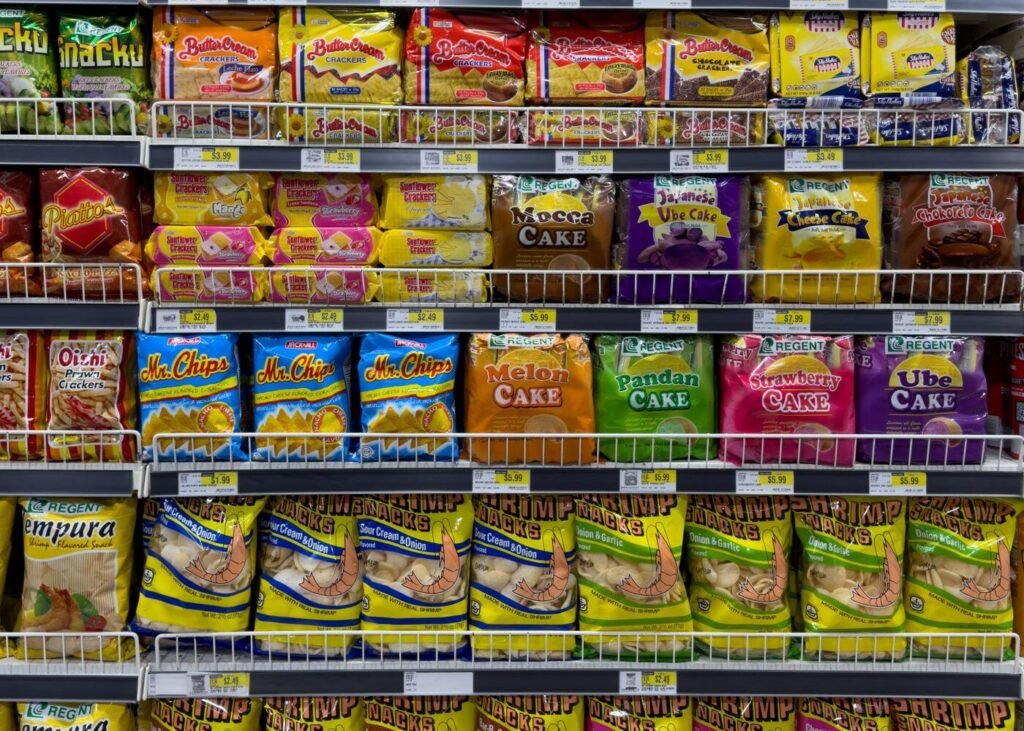
Verdano started as a chilled-only brand serving two metropolitan areas, where next-day delivery was straightforward and the promise was easy to keep. Growth brought an ambient range and national coverage, and the checkout was never revisited.
By the time we were engaged, one delivery promise covered two product types with completely different logistics, shipping to postcodes ranging from inner-city Sydney to regional Western Australia.
- BigCommerce storefront, direct to consumer, national coverage
- Chilled and ambient ranges with different carrier requirements
- One delivery promise applied to both and to every postcode
- A support inbox absorbing the consequences
- The challenge
Abandonment at the last step, complaints after it
The checkout was losing people, and the orders it did take were generating support load.
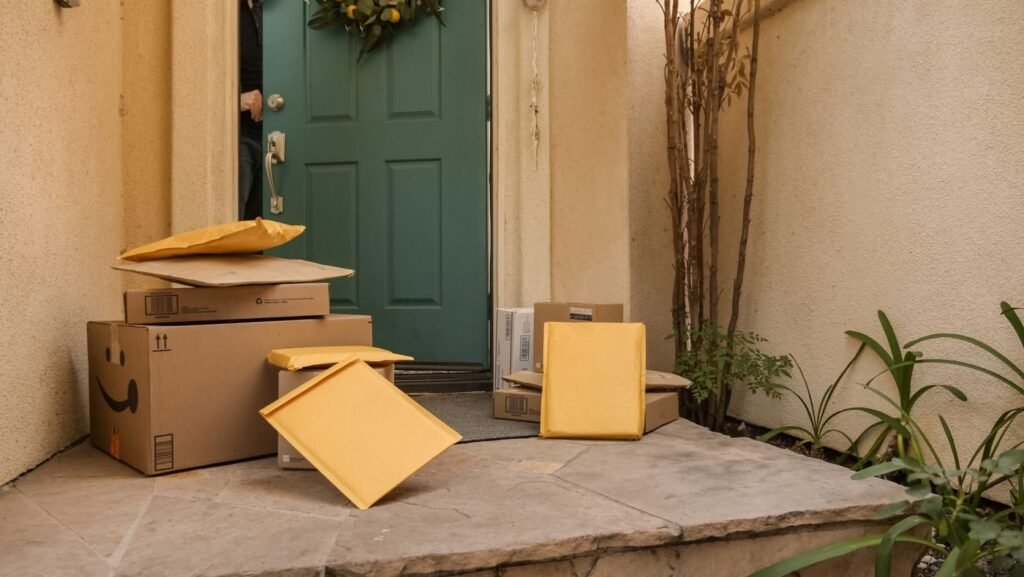
The store advertised a two-day national delivery window. It hit that window reliably in the metropolitan corridors and missed it routinely everywhere else. Customers outside those corridors were being promised something the operation could not deliver, and told so only after they had paid.
At the same time the checkout revealed shipping cost late. For chilled orders that cost was substantial, and a significant share of sessions abandoned at exactly the step where it first appeared.
- One national two-day promise applied to every postcode and both ranges
- Shipping cost first shown at the final checkout step
- Abandonment concentrated on that step for chilled orders
- Delivery complaints running at roughly nine per hundred orders
- Our analysis
Certainty converts better than speed
The abandonment data and the complaint data told the same story from two ends.
Splitting checkout abandonment by postcode band and product type isolated the problem precisely. Metropolitan ambient orders converted well. Chilled orders outside the metro corridors abandoned at more than twice that rate, and the drop-off sat exactly on the step where shipping cost and timing first appeared.
The complaint log matched. Almost every delivery complaint came from a postcode where the two-day promise was never realistic. Customers were not upset that delivery took four days; they were upset that they had been told two.
- Chilled orders outside metro corridors abandoning at twice the rate
- Abandonment concentrated on the step where cost and timing appear
- Complaints originating almost entirely from postcodes the promise never fitted
- Actual transit times already known internally, never surfaced to customers

The data needed to quote accurately already existed in the carrier reports. It had simply never reached the product page.
- Strategy
Tell the truth earlier
Three commitments, in the order they had to happen.
Quote by postcode, not nationally
- Real transit times per postcode band and product type
- Chilled and ambient quoted separately
- Estimates drawn from carrier performance, not marketing copy
Show cost and timing before the checkout
- Delivery estimate surfaced on the product page
- Shipping cost visible in the basket, not at the final step
- Threshold progress shown while there is still time to act
Keep the promise after the order
- Proactive dispatch and transit updates
- Chilled orders flagged with handling guidance
- Support armed with the same estimate the customer saw
Everyone involved expected quoting longer windows to cost conversion. It was the single largest gain in the engagement.
- What we did
The work, service by service
Four service lines, one team, one shared plan.
CONVERSION
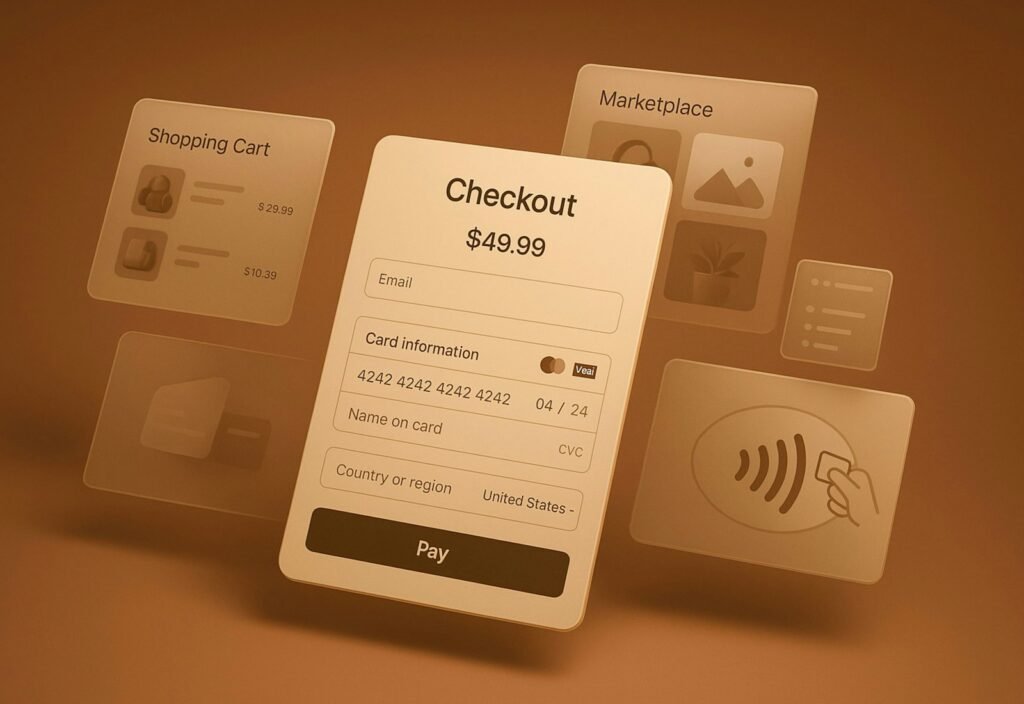
The delivery estimate and shipping cost moved from the final checkout step to the product page and basket, where a customer can still do something about them.
- Postcode-aware delivery estimate on the product page
- Shipping cost surfaced in the basket
- Free-delivery threshold progress made visible

DEVELOPMENT
Carrier performance data wired into the storefront so quoted windows reflect what actually happens on that lane, for that product type, rather than a fixed promise.
- Carrier transit data integrated into the storefront
- Chilled and ambient handled as separate shipping profiles
- Estimates recalculated as performance changes
MANAGEMENT
Free-delivery thresholds set per zone and product type, and the carrier mix re-tendered against the real parcel profile rather than the one the business had at launch.
- Thresholds set by zone and product type
- Carrier mix re-tendered on current volumes
- Regional lanes priced to carry their own cost

RETENTION
Dispatch and transit updates replaced a bare carrier link, and the window after delivery became a replenishment prompt rather than a review request.
- Proactive dispatch and transit communication
- Handling guidance attached to chilled orders
- Replenishment prompts timed to product consumption
- Implementation
How it was sequenced
Ten weeks, ordered so the accurate estimate existed before anything advertised it.
WEEKS 1-2
Get the real numbers
Twelve months of carrier performance analysed by lane and product type, producing the transit times the business could actually stand behind.
WEEKS 3-5
Build the estimate
Shipping profiles separated for chilled and ambient, and the estimate engine wired into the storefront and tested against live orders.
WEEKS 6-8
Move it forward
Delivery estimate and shipping cost surfaced on the product page and in the basket, with threshold progress made visible.
WEEKS 9-10
Protect the promise
Proactive dispatch communication and support tooling aligned to the same estimate the customer was shown.
The two-week analysis phase produced the single most valuable artefact of the engagement: a delivery estimate the business could defend.
- Results
The KPI breakdown
Measured over 90 days, against the same period a year earlier.
Metric
Before
After
Change
Conversion rate (sessions to orders)
1.7%
2.4%
+41%
Checkout abandonment
58%
39%
-19pt
Delivery complaints per 100 orders
9.1
7.0
-23%
Average order value
A$62
A$74
+19%
Average quoted delivery window
2 days
3.4 days
longer
On-time delivery against quote
61%
94%
+33pt
Support contacts per 100 orders
14.2
9.6
-32%
The quoted window got longer and on-time performance against it rose. That combination is what moved conversion and support load together.
- Supporting evidence
Before and after, side by side
The operating changes behind the numbers above.
BEFORE
• One two-day national promise covering both ranges and every postcode
• Shipping cost first revealed at the final checkout step
• Free-delivery threshold with no visible progress indicator
• Carrier transit data known internally and never surfaced
• Post-purchase communication limited to a bare tracking link
AFTER
• Postcode and product-aware estimates drawn from carrier performance
• Shipping cost visible on the product page and in the basket
• Threshold progress shown while the customer can still act on it
• Estimates recalculated as lane performance changes
• Proactive dispatch and transit updates, with handling guidance on chilled orders
The counter-intuitive result is the useful one: customers abandoned because they did not believe the promise, not because the delivery was slow.
- Why it worked
Why a longer delivery promise converted better than a short one
Everyone involved expected quoting longer windows to cost conversion. It produced the largest single gain in the engagement.
Quotes were made per lane, not per country
A national two-day promise was accurate in the metropolitan corridors and fiction everywhere else. Wiring carrier performance data into the storefront meant the window quoted reflected what actually happens on that lane, for that product type.
Cost and timing moved to where the customer can still act
Shipping cost had been appearing at the final checkout step, which is the point at which a customer can only accept it or leave. Surfacing cost and timing on the product page and basket turned a surprise into a decision.
The promise was one the operation could keep
On-time delivery against the quoted window rose from 61% to 94% while the average quoted window lengthened from two days to 3.4. Customers were never upset that delivery took four days; they were upset that they had been told two.
WHAT WOULD NOT HAVE WORKED
Buying speed. The obvious reading of the complaint log was that delivery was too slow, which points at a premium carrier and a thinner margin on every chilled order. The data said otherwise: the problem was certainty, not speed, and the fix cost nothing per order. Discounting shipping would have had the same shape — paying to solve a problem the customer was not actually complaining about.
We spent two years trying to get faster. We should have spent two weeks getting accurate. Quoting three days and hitting it beat quoting two and missing.
Operations Director
Verdano Foods
Read William Josh’s full review of this engagement — why they went looking for an agency, what they had already tried, and what they would change.
- Services used
The service lines behind this engagement
Four of our nine service lines worked on this account, under a single plan and a single owner.
Moving cost and delivery timing forward in the journey — the change that mattered most here.
The estimate engine wiring carrier performance data into the storefront.
Threshold design, carrier mix and shipping profiles for two very different product types.
Post-purchase communication and replenishment timing built on the same estimate.
- Classification
Platform, industry and market
Every case study on this site is classified on four axes so you can find the one that matches your situation.
This engagement is filed as CRO + BigCommerce + Food & Beverage + Australia. It appears on each of those four pages.
- Related work
Other case studies worth reading
Matched on shared services, platform or market.


Does your checkout promise something your warehouse cannot keep?
If delivery complaints and checkout abandonment are both rising, they are usually the same problem. Tell us what you ship and where, and we will show you what your promise should actually say.