
- United States
eCommerce Agency for Brands Selling Across the United States
We run eCommerce management and marketing for US brands and sellers — your own storefront, Amazon, Walmart and the wider marketplace stack — with the regional nuance a country this big actually demands.
- One team across store, marketplaces, paid media and retention
- Regional targeting rather than one flat national campaign
- Shipping, returns and delivery promises built into the plan
- Reporting tied to contribution margin, not vanity traffic

50
States served
9
Service lines
10
Industry practices
- Market opportunity
The largest eCommerce market — and the most crowded
Scale is the reason to sell in the United States. Scale is also why undifferentiated brands stall here.
Where the opportunity sits
- Deep category demand in every vertical, so niche positioning still pays
- Mature marketplace infrastructure you can plug into quickly
- High card and digital-wallet penetration, so checkout friction is low
- Strong subscription and replenishment behaviour in consumable categories
- Retail media inventory that can be bought precisely by region
What makes it hard
- Acquisition costs bid up by well-funded competitors in every category
- Delivery expectations set by the largest players, not by your margins
- Return rates that quietly erase contribution margin if left unmanaged
- Demand that varies sharply by state, climate and season
- Marketplace policy and compliance changes that arrive without notice

No.1
Largest single market
By consumer eCommerce spend
3-5
Channels per brand
Own store plus marketplaces
2 days
Delivery expectation
The benchmark shoppers compare you to
70%+
Mobile sessions
Across most US categories
- What we run
Our eCommerce services for the US market
Nine service lines, each with a specialist page behind it. On this page they are the US-specific view; follow any card for the full method.
01
Day-to-day ownership of catalogue, pricing, promotions, inventory signals and channel health across every US storefront you run.
02
A single demand plan across search, social, marketplaces and email, budgeted to contribution margin rather than channel silos.
03
Category, collection and product-page visibility for high-intent US search, plus the technical work that keeps large catalogues indexable.
04
Paid search, shopping, social and retail media managed against blended acquisition cost across states and seasons.
05
Research-led testing on the pages that carry your revenue: PDP, cart, checkout, shipping messaging and returns policy.
06
Lifecycle flows, segmentation and win-back built to raise repeat rate and lifetime value, not just open rate.
07
Theme, template and integration work on Shopify, WooCommerce, BigCommerce and Adobe Commerce, including speed and accessibility.
08
Product photography direction, listing imagery, A+ content, video and ad creative built for US shopper expectations.
09
Listing quality, buy-box health, retail media and account operations across the marketplaces that matter in the US.
Every service is delivered by the same team that owns your number, so nothing falls between store, ads and lifecycle.
- Buying journey
How US shoppers actually decide
The path is rarely linear. Most US purchases involve at least one marketplace check and one review check before the card comes out.
Discover
Research
Compare
Purchase
Delivery
Experience
Repeat

DISCOVER
Discovery is split across channels
Short-form video, social feeds, creators, search and marketplace browse all seed demand. Attribution rarely credits them fairly, so we plan discovery on incrementality instead of last click.

RESEARCH & COMPARE
Comparison decides the sale
Shoppers cross-check price, reviews, shipping speed and return terms — usually against a marketplace listing. Winning here is a content and merchandising problem, not an ad problem.

DELIVERY & REPEAT
Delivery is part of the product
The unboxing, the tracking updates and the returns experience decide whether a first order becomes a second one. We treat post-purchase as a retention channel with its own targets.
- Channels
Where US revenue is won
Most US brands run three layers at once. We keep them coordinated so they compound instead of cannibalising each other.

Your own storefront
The margin channel and the place your brand story lives. We manage the platform, merchandising and checkout experience, and the development work behind it.

US marketplaces
Where discovery and comparison happen at scale. Listing quality, buy-box health, retail media and account operations, run as an owned channel rather than an afterthought.

Acquisition and retention
The demand engine that feeds both. Search, paid media, creative and lifecycle planned together against one blended acquisition target.
- The big two
Amazon and Walmart deserve their own plan
Together they account for the majority of US marketplace volume, and they reward very different things. We run both, and we run them separately.

Catalogue and variation hygiene, A+ content, Sponsored Products, Brands and Display, buy-box and inventory health, plus the account operations that keep listings live.
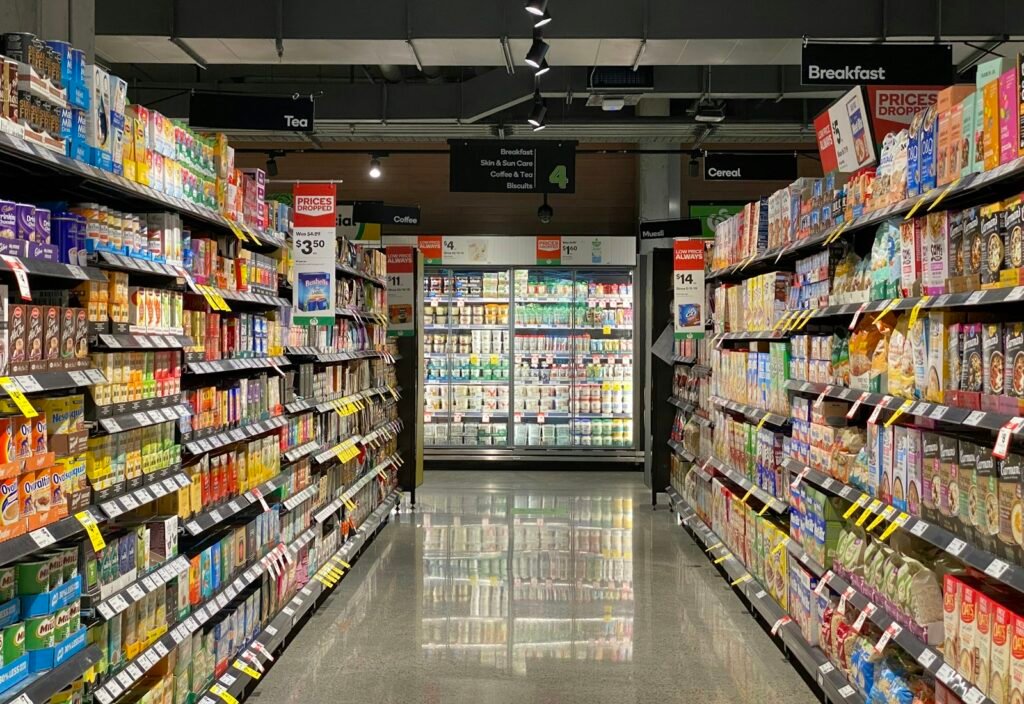
Listing quality and content scoring, Walmart Connect sponsored placements, pricing and repricing discipline, fulfilment settings and seller performance metrics.
Selling on both is normal. Running one strategy across both is the mistake we see most often.
- Selling across the United States
A national market that behaves like several regional ones
Treating the US as one audience is the fastest way to overspend. These are the six places where geography changes the plan.

NATIONAL VS REGIONAL
National reach, regional targeting
We start with a national position, then split budget and messaging by region where the data justifies it — rather than running one flat campaign and hoping the averages work out.

DEMAND
Regional demand differences
Climate, income, household size and local competition all move category demand. We segment campaigns and merchandising against real regional demand, not assumptions.

FULFILMENT
Shipping and delivery promises
Transit time is a conversion variable. We align delivery promises, thresholds and carrier mix with what your margin can actually support in each zone.

SEASONALITY
Seasonality and peak trading
Back-to-school, Prime events, Black Friday, Cyber Monday and the post-holiday return wave each need their own inventory, creative and budget plan.

PAID MEDIA
Localized paid campaigns
Geo-modified bidding, regional creative and store-aware audiences, so spend follows demand instead of spreading evenly across states that behave nothing alike.

MULTI-LOCATION
Multi-location and hybrid retail
For brands with physical locations we connect local visibility, inventory availability and online demand so the two channels stop competing for the same customer.
Expanding into a new region is a merchandising and fulfilment decision before it is a marketing one. We plan it in that order.
- Acquisition
How we build demand in a competitive market
Demand becomes traffic, traffic becomes customers, customers become revenue. Each stage has its own owner and its own number.
Demand
Traffic
Customer
Revenue
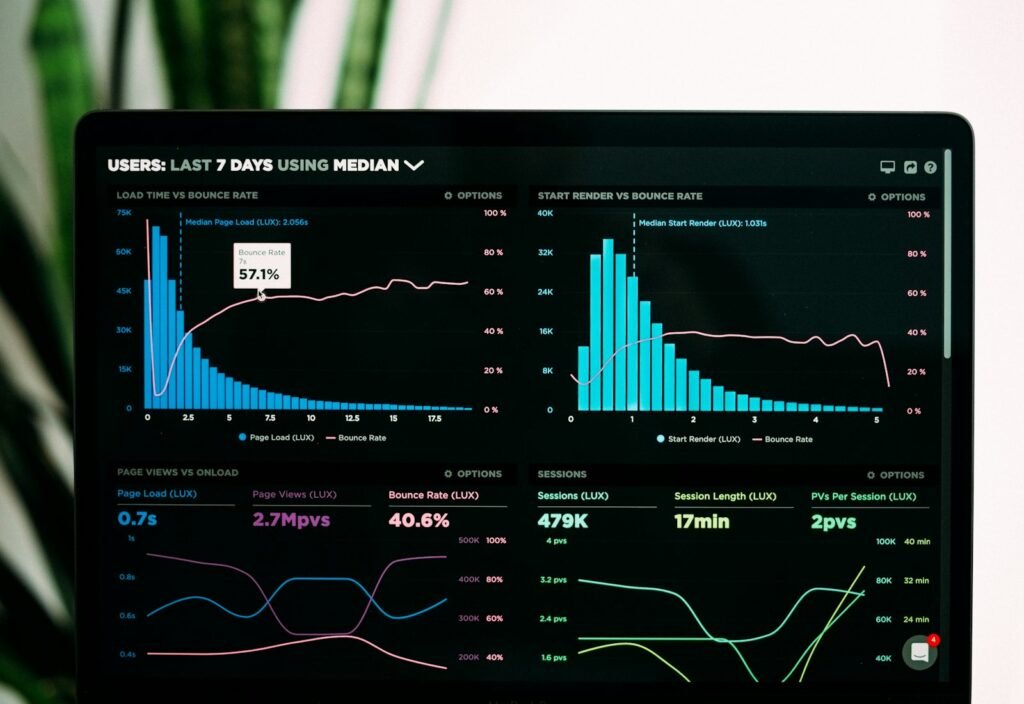
Category and product visibility in US search, built on genuinely useful content and a technically sound catalogue. The compounding channel that lowers blended acquisition cost over time.

Search, shopping, social and retail media managed to a blended target. Budget moves toward the regions, products and seasons that actually return, not the ones with the best-looking ROAS.

Creative is the biggest lever left in paid media. We produce and iterate ad creative, listing imagery and video against performance data rather than taste.
- Conversion and retention
Turning traffic into repeat revenue
Acquisition gets expensive fast in the US. Margin is protected on the conversion and retention side of the equation.
Acquire
Convert
Retain
Grow
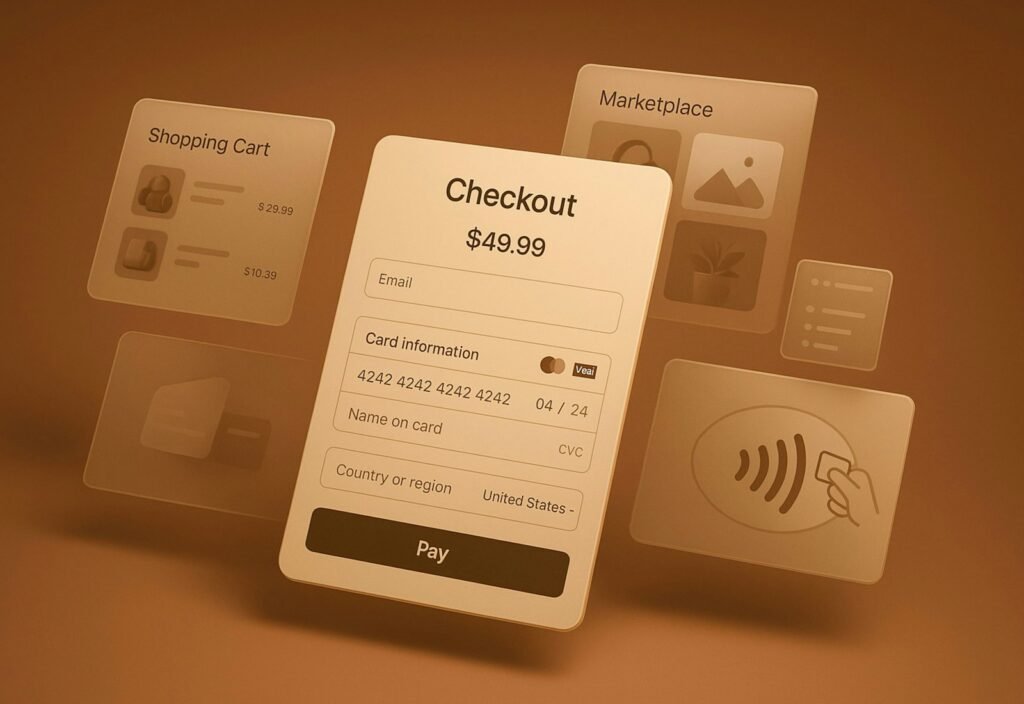
Research-led testing across PDP, cart and checkout, with shipping and returns messaging treated as first-class conversion levers rather than legal small print.

Lifecycle flows, segmentation, replenishment timing and win-back campaigns built around real purchase intervals for your category.

Cohort reporting that shows what a customer is worth by channel, region and first product — so acquisition budget can be set with confidence instead of guesswork.
- Industries
Categories we help grow in the US
Category economics differ more than channel tactics do. Each of these has a dedicated practice page with the full method.








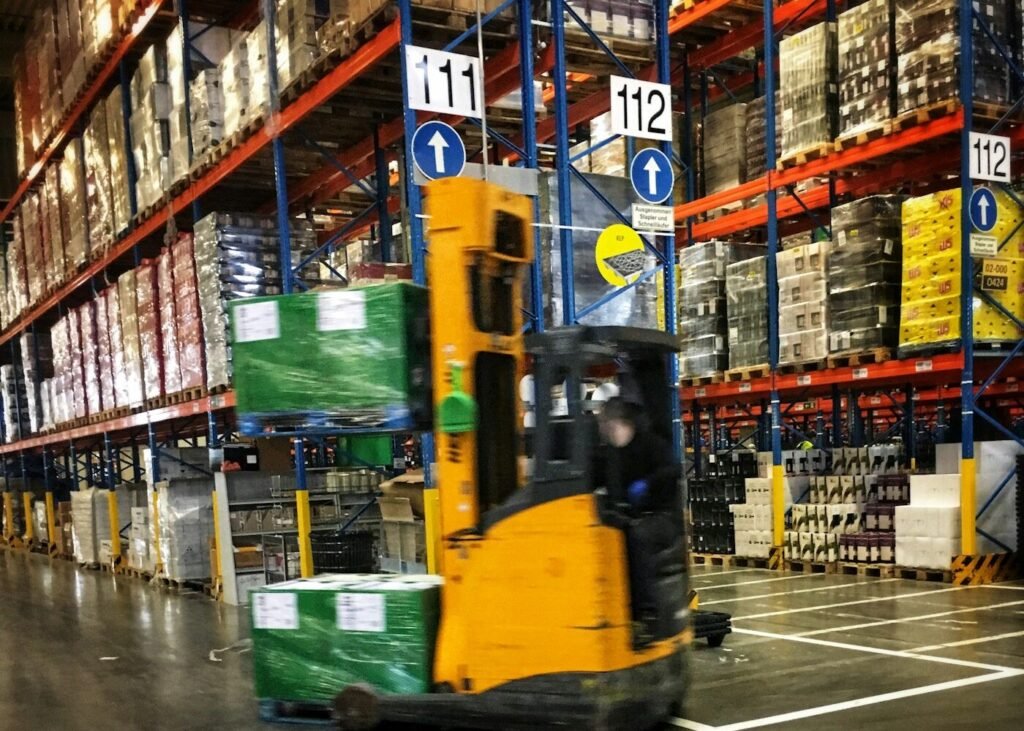
Not listed? The framework still applies — see all industries we work with.
- Market expansion
Entering the US, or growing out of it
Cross-border works in both directions. The constraint is almost always fulfilment and compliance rather than demand.

INBOUND
Entering the United States
For overseas brands opening a US channel: entity and tax setup guidance, fulfilment model selection, marketplace account structure, catalogue localisation and a launch plan that does not burn budget proving demand that already exists.
- Choosing between 3PL, marketplace fulfilment or hybrid
- US-specific listing content, sizing and compliance detail
- Launch sequencing so paid spend follows proven demand

OUTBOUND
Expanding beyond the United States
For US brands with proven domestic demand, the next market is usually chosen badly — on gut feel rather than on landed cost, duty treatment and channel fit. We size the opportunity before you commit inventory.
- Canada and the UK as the usual first steps
- Australia, the Gulf and wider Europe where category fit is strong
- Asia Pacific and Latin America where marketplaces lead
- How we work
Our growth framework
The same six steps on every engagement, so you always know what is happening and why.
01
Understand
We start with your margin structure, inventory reality and current channel mix — not with a tactic list. Nothing is proposed before we know what a customer is worth to you.
02
Audit
A full read of store, listings, paid accounts, lifecycle and analytics. We report what is broken, what is wasted and what is already working better than you think.
03
Strategize
A prioritised plan with owners, budgets and expected outcomes, sequenced so the fastest margin recovery happens first.
04
Execute
One team delivering across store, marketplaces, media, creative and lifecycle, working to a shared calendar rather than separate channel plans.
05
Optimize
Continuous testing and reallocation against contribution margin, with a weekly rhythm and a monthly deep review.
06
Scale
New regions, new channels and new categories added only once the core is profitable and the operation can absorb them.
You get the same senior team through all six steps — no handover to a junior pod after the pitch.
- Why us
Why US brands choose Dazzle Commerce
Three things clients tell us are different about working with us.

One accountable team
Store, marketplaces, media, creative and lifecycle under a single plan and a single owner.
- No finger-pointing between agencies
- One roadmap and one reporting pack
- Senior people on the account, not just the pitch
Margin-first reporting
We report contribution margin and cohort value, not just revenue and ROAS.
- Returns and shipping cost included in the numbers
- Cohort value by channel, region and first product
- Budget decisions defended with evidence
Regional and global depth
Deep US execution, plus the cross-border experience to take you into the next market properly.
- Regional segmentation built into campaigns
- Marketplace expertise across US and international platforms
- Category practices behind every engagement
Ready to compare us properly? Start with the case studies and what engagements cost.
- Results
What this looks like in practice
Three US engagements, with the constraint we found and what changed after it was fixed.

Home and kitchen brand, DTC plus Amazon
MARKET CHALLENGE
Strong national demand but flat margin: bulky items shipped free nationwide, and paid budget spread evenly across states with very different delivery costs.
STRATEGY
Rebuilt shipping thresholds by zone, then re-weighted paid spend toward regions where landed cost supported the promise.
SERVICES
eCommerce management, PPC, CRO, Amazon marketplace management.
RESULT
Contribution margin recovered without cutting volume, and the Amazon account stopped competing with the owned store on price.
+38%
Contribution margin
-21%
Blended CAC
+12%
Repeat rate

Supplements and wellness, subscription-led
MARKET CHALLENGE
Acquisition cost rising faster than lifetime value, with churn concentrated in the second and third months of the subscription.
STRATEGY
Reworked onboarding and replenishment timing around actual consumption intervals, then rebuilt win-back around the real churn window.
SERVICES
Email and retention marketing, CRO, creative, eCommerce marketing.
RESULT
Longer subscriber life meant acquisition budget could be raised rather than cut, and paid media stopped being the only growth lever.
+29%
Subscriber LTV
-34%
Month-3 churn
+18%
Revenue per email

Consumer appliances, marketplace-heavy
MARKET CHALLENGE
Listings competing against the brand’s own resellers, with buy-box share falling and returns creeping up on one core model.
STRATEGY
Cleaned up catalogue and variation structure, enforced pricing policy, and rewrote listing content around the specification questions driving returns.
SERVICES
Marketplace management, creative and content, eCommerce SEO.
RESULT
Buy-box share and organic marketplace rank both recovered, and the return rate on the problem model fell within a quarter.
+44%
Buy-box share
-17%
Return rate
+26%
Marketplace revenue
- Market insights
What we are seeing in the US right now
Short reads from the accounts we run, updated as the market moves.

CONVERSION
Most US traffic is mobile, but the checkout work usually gets tested on desktop. The gap between the two is where a surprising share of lost revenue sits.

RETENTION
When acquisition costs rise, the brands that hold margin are the ones that measured and moved second-order rate before they needed to.

STRATEGY
National ROAS hides both your best and your worst regions. Splitting reporting by region is usually the cheapest performance win available.
- FAQs
Questions US brands ask us
Do you work with brands outside the United States that want to sell here?
Yes, and it is a large part of what we do. For overseas brands we start with fulfilment model, landed cost and marketplace account structure before any marketing spend, because those decisions constrain everything that follows.
Can you manage both our own store and our marketplace accounts?
That is the setup we prefer. Running them separately is how brands end up competing against themselves on price and cannibalising their own margin channel. See eCommerce management and marketplace management.
How do you handle regional differences across the US?
We split reporting by region first, then let the data decide where separate budgets, creative or delivery promises are justified. Most brands need regional splits in three or four places, not everywhere.
What size of brand do you usually work with?
Most of our US clients are established brands doing meaningful volume who have outgrown a single-channel setup. We are a poor fit for pre-launch brands with no demand signal yet.
Which platforms do you support?
Shopify, WooCommerce, BigCommerce, Adobe Commerce, Wix and Squarespace on the store side, and the major marketplaces on the channel side. Each has its own platform page with the detail.
Do you offer Amazon-only or Walmart-only engagements?
How is the work priced?
Retainer-based, scoped to the channels and service lines in play, with a clear list of what is included. Indicative ranges are on the pricing page.
How quickly do results show up?
Merchandising, listing and conversion fixes usually move numbers within weeks. Earned search visibility and retention gains build over quarters. We set expectations per workstream rather than promising one blended timeline.
Ready to grow properly in the United States?
Tell us what you sell, which channels you run and where margin is leaking. We will come back with an honest read on what is fixable first — and what is not worth doing at all.