Scale. Optimize. Succeed.

Home  ›  Testimonials  ›  Lumen Atelier

Lumen Atelier on working with Dazzle Commerce

A US womenswear brand nine months into a decline nobody could explain, on an ad account three agencies had already audited and called healthy. Violet Hina on what the fourth one found.

VH

Reviewed by Violet Hina

Head of Growth, Lumen Atelier

SECTOR

Fashion & Apparel

PLATFORM

Shopify

MARKET

United States

ENGAGEMENT

Ongoing retainer

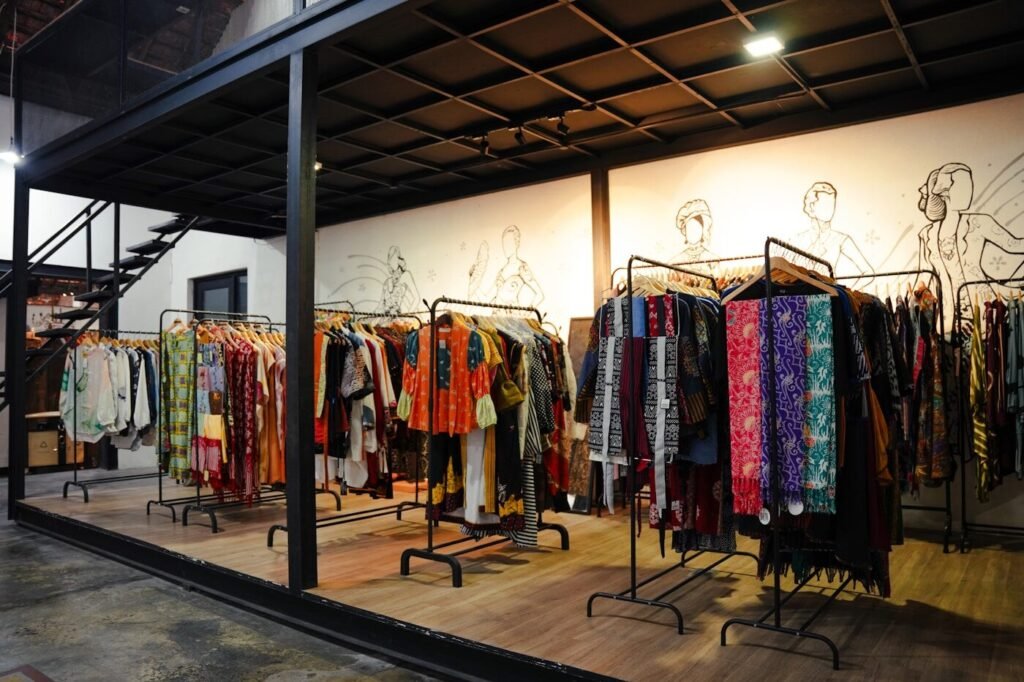
Rails of colourful garments in a fashion boutique

Four collections a year, and a creative pipeline that had been built for one.

EXPERT VIEW

“Three agencies had told us the account needed restructuring. The account was fine. We were asking it to sell four collections a year with one shoot behind it.”

Violet Hina · Head of Growth, Lumen Atelier

Published with the client’s approval following the engagement review. This line also appears on the Lumen Atelier case study.

Why they went looking for an agency

Nine months of decline and three audits that all said the same unhelpful thing.

“Paid had done most of our acquisition since launch, and it had been falling for three quarters.”

Every audit we commissioned came back saying the structure was sound, which is the least useful thing you can be told when the number is going the wrong way. Campaign structure clean, audiences reasonable, bidding appropriate, performance down again.

We had scaled the product operation to four collections a year without scaling anything around it, but nobody had connected those two facts, least of all us.

Laptop showing paid media performance analytics

Three quarters of steady decline on an account that passed every audit it was given.

What they had already tried

Three agencies, three restructures, and a creative refresh that was not one.

“Broader audiences, then narrower ones. Two new bid strategies. A creative refresh that meant re-cropping the same shoot.”

All of it moved the number for about a fortnight, which we read as evidence that the changes were working and needed more time. It was evidence of something else entirely, and the pattern was sitting in our own reporting the whole while.

The first ninety days, from their side

Two charts nobody had drawn, from data three other agencies already held.

Performance charts shown on a tablet beside a laptop

Performance plotted against creative age. Every asset decayed on the same curve regardless of budget or audience.

“They plotted performance against the age of each asset, and recalculated the whole account net of returns.”

Neither of those required access to anything we had not already handed over three times. That was the uncomfortable part. It was not that the data was missing; it was that nobody had asked the question the data answered.

They also told us in the first fortnight that the fix would sit largely on our side of the table, which I did not enjoy hearing and turned out to be true.

What surprised them

A creative supply problem wearing a media problem’s clothes.

“Every asset decayed on the same curve. Strong for eleven to fourteen days, then a steady fall, regardless of budget or audience.”

Once you see that chart you cannot unsee it. We were not losing to the algorithm or to competitors. We were running out of things to say, four times a year, on a schedule you could set a calendar by.

The second surprise was worse. Two ranges we treated as our best performers were among our worst once returns were counted, because we reported on gross revenue and a dress that comes back still books as a sale on the way out.

A photo studio set dressed for a product shoot

One shoot per season feeding a channel that consumes creative in fortnights.

What changed

Measured across two quarters. Cost per acquisition is stated net of returns, because on a fashion account a gross figure flatters every campaign that sells the wrong size.

-31%

Cost per acquisition

Net of returns, blended across search and social

+24%

New customer revenue

First-time buyers, not repeat

-9pt

Return rate

On the ranges driving most returns

6 wks

To payback

On the engagement fee

“The account structure barely moved. What changed was how much creative reached it.”

What they would tell another brand considering us

Offered as advice to a peer rather than praise for us.

“If you sell clothing, ask on the first call whether they report net of returns.”

The answer tells you most of what you need to know about whether the next twelve months will be real. We had three agencies optimise happily towards gross revenue, and every one of them was pointing our budget at the ranges that came back.

What they would change

Every review on this site carries one of these. We publish them unedited.

“The creative cadence they set is demanding, and a lot of it lands on the brand rather than the agency.”

We under-resourced our side for the first two months and the plan waited on us, not on them. That was our failure to staff it, but it was also not stated plainly enough at the proposal stage. I would want it written as a headcount requirement, in numbers, before anyone signs — because “we will need more creative” and “you will need a full-time producer” are very different sentences.

Rated highest, rated lowest

No stars. Reviews of our own business, hosted on our own site, are not independent and we are not going to dress them up as though they were.

RATED HIGHEST

Finding the constraint in data three other agencies already had, and being willing to say the account was fine when the obvious commercial move was to sell us a restructure.

RATED LOWEST

Under-stating what the creative rhythm asks of the client team. It belongs in the proposal as a headcount number, not as a line about ambition.

What actually ran on this account

Four service lines, one team, one plan. Each links to how we run that service generally.

The full methodology, the baseline, the sequencing and what we would do differently.

The production rhythm that replaced the seasonal shoot — the change that mattered most here.

Campaign structure, bidding and budget allocation, rebuilt around margin after returns.

Sizing guidance and product detail work, aimed at the ranges the returns were coming from.

Channel planning around a creative calendar rather than a seasonal one.

How we work with apparel brands, where returns decide whether a campaign was profitable.

Other engagements, in their own words

Reviews are being published one at a time. Where a review is not live yet, the case study is the fuller account.

A cookware set arranged on floating shelves

CLIENT REVIEW

A US cookware brand whose revenue grew while profit stayed flat, and where the money was actually going.

Supplement gummies photographed on a bright background

CLIENT REVIEW

A UK supplements brand that came to us planning to cut acquisition spend, and finished the quarter raising it.

Team reviewing performance charts while presenting client results

ALL REVIEWS

Every quote we publish, each sitting next to the work that produced it.

Sure the account is the problem?

Start with the free audit. We will tell you whether the constraint is the media, the creative or the product data — including when the honest answer is that your account is already fine.