
- Beauty & Cosmetics
A Beauty & Cosmetics eCommerce Agency Built on Routine, Not the One-Off Sale
Catalog, education, acquisition, conversion and replenishment for beauty and cosmetics brands — run by one team, because in this category the second bottle is where the business actually is.
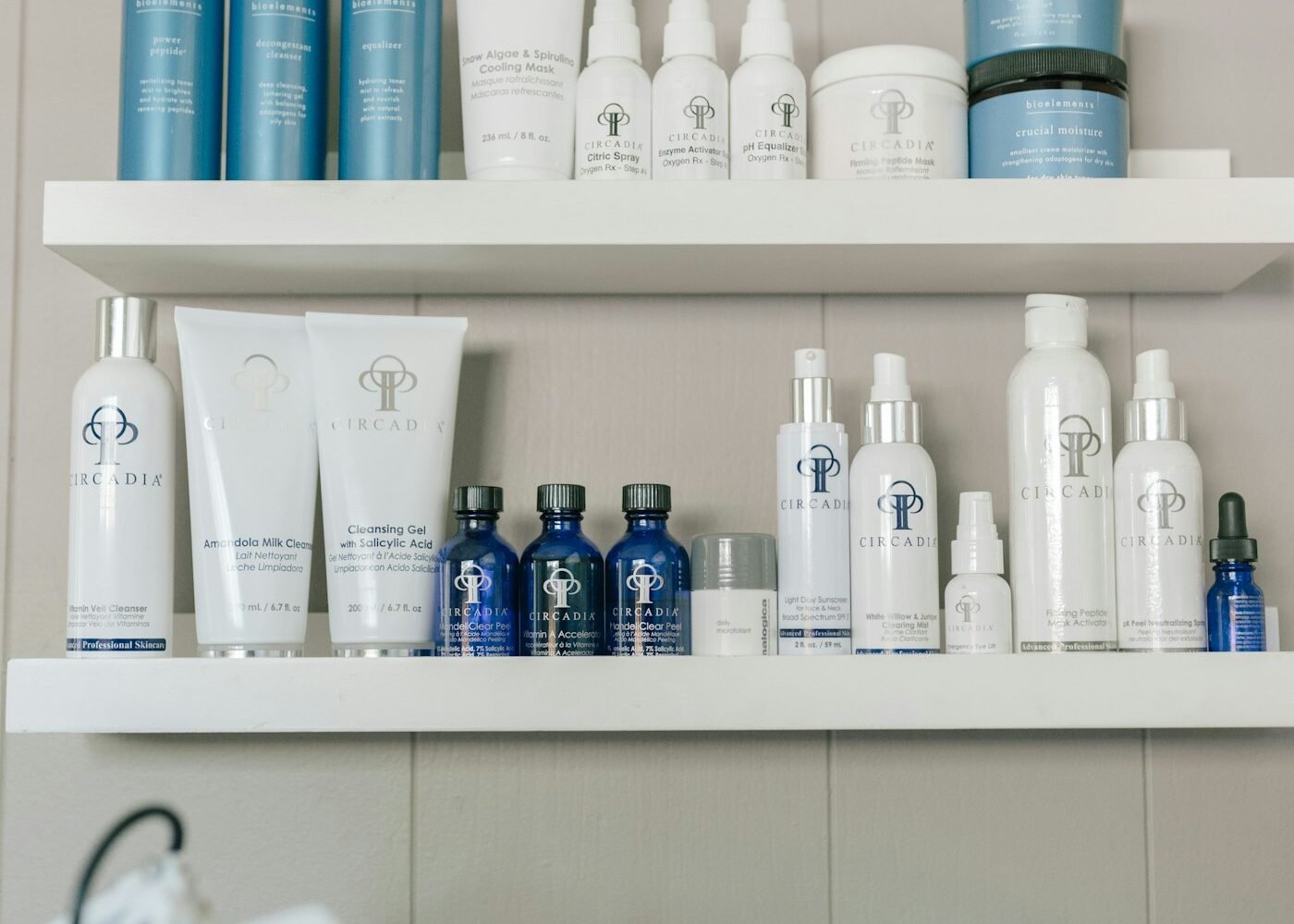
- Merchandised by routine and concern, not by an alphabetical product list
- Education, reviews and creator content treated as conversion assets
- Replenishment and subscription designed around real usage cycles
+64%
Beauty revenue growth
+52%
Repeat purchase rate
+2.6x
Subscriber growth
3.8x
Blended ROAS
- The problem
Beauty & cosmetics challenges we solve
Beauty is a repeat-purchase category sold as if it were a one-off one. Shade, skin type, sensitivity, ingredients and claims all shape the decision, and almost none of that fits a standard product template.
Shade and skin-type matching
A shopper who cannot work out which shade or formulation is theirs does not buy, or buys the wrong one and returns it.
Ingredient and claim complexity
Actives, concentrations and claims need explaining accurately — and, in most markets, within a compliance boundary.
Products sold as items, not routines
Beauty is bought as a system. Catalogs that list SKUs in isolation leave order value and repeat rate on the table.
No replenishment logic
Every product has a usage cycle. Without one, the reminder to reorder arrives weeks after the customer already bought elsewhere.
Reviews and UGC left unused
Social proof is the strongest conversion asset in the category, and it usually sits in a widget nobody reads.
Creator spend without a system
Gifting and paid creator work happen ad hoc, so nothing compounds and nothing is measurable.
Concern-led search missed
People search by problem, not by product name, and most beauty sites have no page that answers the problem.
Shade and size variant sprawl
Forty shades across three sizes becomes an unmanageable feed, a broken filter and a hidden bestseller.
- What we run
Our eCommerce services for beauty brands
The same eight disciplines we run for every client, applied to a category where education and repeat purchase decide the outcome. Each card links to the service page.
01
Catalogs, routines, shade libraries, promotions and ongoing store management.
This page covers how those services change for beauty. The service pages hold the full methodology, deliverables and pricing.
- The journey
The beauty customer journey
Beauty buying starts with a problem, not a product. Somebody has a concern, researches it, works out what might suit them, buys, uses it for six weeks, and then either reorders or moves on.
Discover
Learn
Match
Purchase
Use
Reorder
Advocate
Discover
Creators, social, organic search and paid media introduce the brand at the moment a concern becomes conscious.
Learn
Ingredient, concern and routine content answers the research question before a competitor does.
Match
Shade finders, skin-type guidance and routine builders turn interest into a specific, confident selection.
Purchase
Product pages, bundles, cart and checkout convert the match into an order without reintroducing doubt.
Use
Post-purchase education sets expectations for a category where results take weeks, not days.
Reorder
Replenishment timing, subscription and loyalty turn a first bottle into a routine.
- Merchandising
Product discovery, education & routine-based merchandising
People do not shop beauty by product type. They shop by concern, by skin type, by routine step and by what a creator told them last week. The catalog has to be organised the same way.
We restructure the catalog around how the category is actually researched, then build the education layer that carries the decision. That means concern-led collections, routine steps that cross-sell naturally, and ingredient content that ranks and converts rather than sitting in a blog archive.
- Concern-led and skin-type-led collections alongside conventional categories
- Routine architecture: cleanse, treat, moisturise, protect — merchandised as steps
- Ingredient and actives content written to rank and to reassure
- Shade libraries and family structures that keep filters usable
- Bundles and routine kits built from what customers already buy together
- Regimen builders and quizzes that end in a populated cart
- Claims and compliance language reviewed before it goes live
- New launch merchandising planned against sampling and creator activity
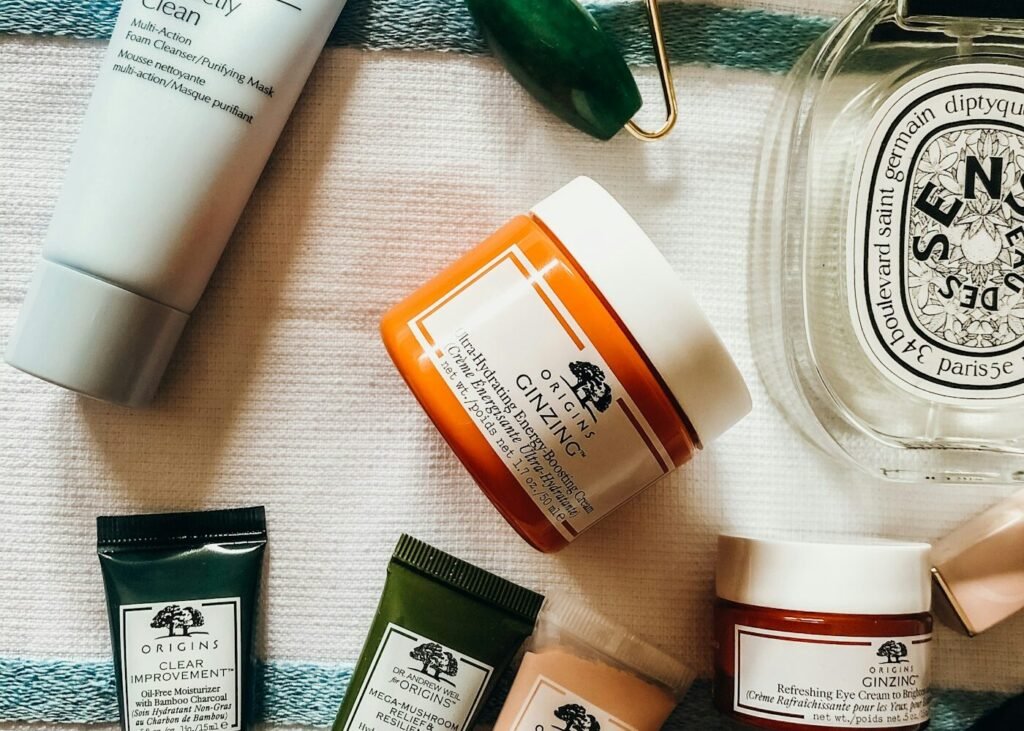
A routine is the unit of purchase in beauty — the catalog should be built to sell one.
- Acquisition
SEO, paid media & social commerce
Beauty demand starts with a question, a creator or a feed. All three need running against one blended target rather than three separate dashboards.
Organic
Concern and ingredient queries carry enormous volume and almost no brand loyalty. That is where a beauty brand earns cheap, compounding demand.
- Concern and ingredient category SEO
- Product-level SEO across shade and size variants
- Editorial answering routine and how-to questions
- Internal linking from education into collections
- Visibility tracked by concern cluster, not just keyword
Paid
Beauty creative fatigues fast and the feed decides Shopping performance. We fix both before touching bids.
- Google Shopping and Performance Max
- Search on concern, ingredient and competitor terms
- Meta prospecting with education-led creative
- Retargeting segmented by routine step viewed
- Creative testing on a fixed production rhythm
Social commerce
Beauty is the most creator-driven category in eCommerce. We make that a system rather than a series of gifting favours.
- Instagram shopping and creator-led discovery
- TikTok content and TikTok Shop where you sell there
- Creator briefs built from converting angles
- Whitelisted and spark creative from top performers
- Affiliate and sampling programmes that compound
The underlying method lives on eCommerce marketing, eCommerce SEO and paid advertising.
- Conversion
Conversion, shade accuracy & beauty product photography
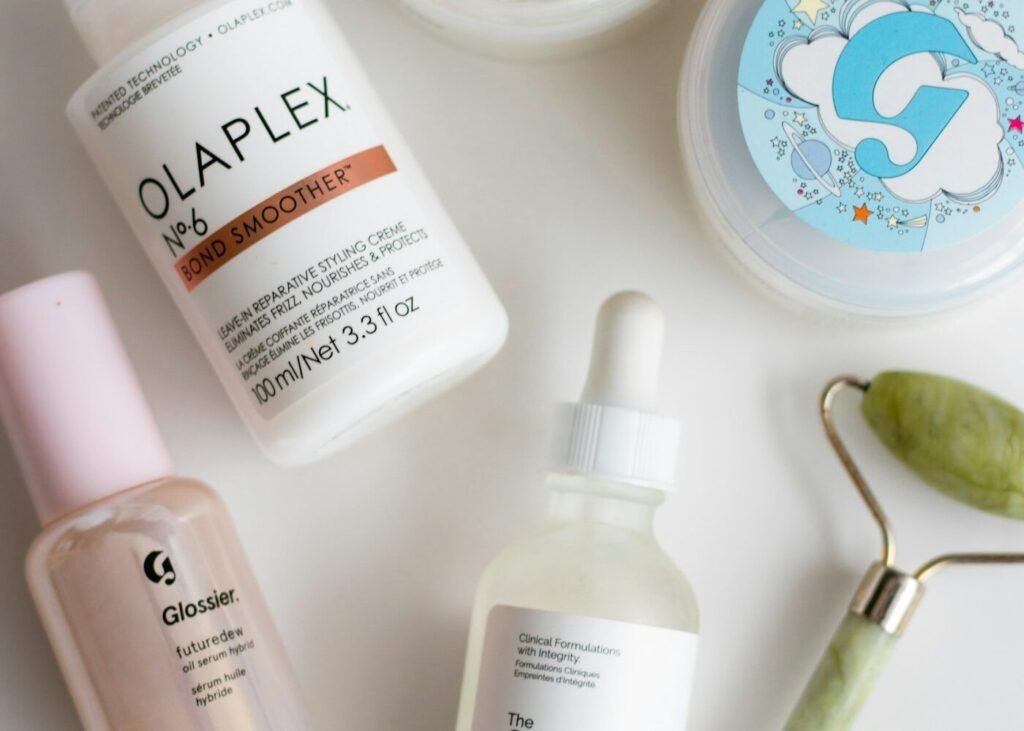
Beauty conversion turns on three questions: is this for my skin, will it actually work, and can I trust the brand making the claim. Beauty product photography answers the first one or loses it — swatches on a single skin tone, inconsistent lighting between shades and retouching that removes texture all cost more orders than any copy change. See how we shoot it.
Matching & discovery
Helping a shopper identify the exact product that is theirs.
- Shade finders and skin-type quizzes
- Routine builders that populate a cart
- Filtering by concern, ingredient, skin type and finish
- On-site search tuned to concern language
- Mobile-first browsing throughout
Product page & proof
The page where a claim has to become believable.
- Ingredient lists explained in plain language
- Before-and-after and texture imagery
- Application video where it changes the decision
- Reviews filtered by skin type and concern
- Routine cross-sells rather than random cross-sells
Cart & checkout
Removing the last points of friction, and raising order value honestly.
- Sampling and gift-with-purchase mechanics
- Subscribe-and-save offered where it genuinely suits
- Checkout tested on mobile before desktop
- Payment and wallet options matched to your markets
- Bundle upgrades presented at the right moment
Every change is measured on conversion rate, average order value and repeat rate together.
- Social proof
UGC, reviews & social proof
In beauty, other people are the evidence. A shopper trusts a review from somebody with their skin type far more than any claim a brand makes about itself.
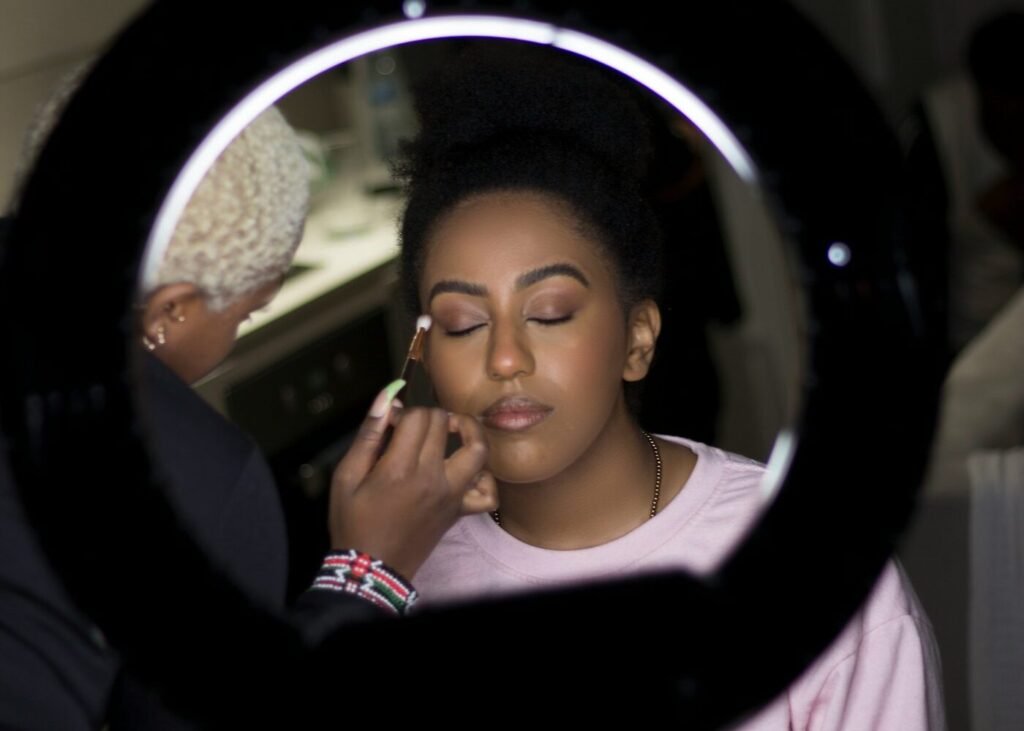
Filtered, specific social proof converts. A five-star average on its own does not.
We treat reviews, customer photography and creator content as a supply chain: collected deliberately, structured so it can be filtered, and placed where the decision is actually made rather than at the bottom of a page nobody scrolls to.
- Review collection timed to when a customer can actually judge results
- Reviews tagged by skin type, concern, age and shade so they can be filtered
- Customer photography surfaced on collection and product pages
- Creator content licensed and reused across paid, email and PDPs
- Before-and-after treated as a compliance-checked asset, not a gamble
- Q&A used to answer the objections that reviews do not cover
- Social proof measured by its effect on conversion, not by volume collected
- Retention
Retention, replenishment & customer lifetime value
Beauty products run out on a schedule. A brand that knows that schedule and acts on it earns a second purchase; one that does not pays to acquire the same customer twice.
First purchase
Onboarding
Results window
Replenishment
Routine expansion
VIP
Lifecycle messaging
- Welcome and how-to-use onboarding
- Results-window check-ins timed to the product
- Cart and browse recovery
- Win-back built on usage cycle, not a generic 90 days
Replenishment & subscription
- Reorder timing modelled per product and size
- Subscribe-and-save where the cadence genuinely fits
- Subscription pause, swap and skip that reduce churn
- Low-stock and back-in-stock alerts by shade
Routine expansion
- Next-step recommendations based on what they own
- Cross-sell into adjacent concerns and routine steps
- New launch targeting by skin type and purchase history
- Sampling used deliberately to open the next category
Measurement
- Repeat purchase rate by cohort and by product
- Subscriber retention and churn reasons
- Lifetime value against acquisition cost by channel
- Contribution margin after discounts and sampling
The full lifecycle methodology lives on email & retention marketing.
- Platforms
Platforms & marketplaces for beauty brands
Beauty sells across three layers of the stack, and each has its own rules about claims, ingredients and advertising. We run them on one catalog and one margin logic.
DTC commerce
Where the routine, the subscription and the customer relationship all belong to you.
Marketplaces
Where discovery already happens, with stricter listing and claim rules than your own site.
Selling on several at once? Marketplace management & marketing covers the multi-channel side, and platforms lists everything we support.
- By business model
Growth solutions by beauty business model
A single-hero skincare brand and a multi-brand beauty retailer both sell cosmetics. The catalog, the content and the economics have almost nothing in common.
Your business model
Where we focus
DTC beauty brands
Acquisition economics, education content and a replenishment programme built around your actual usage cycles.
Multi-brand beauty retailers
Catalog and attribute governance across dozens of brands, concern-led category SEO, and merchandising that survives thousands of variants.
Emerging beauty brands
Launch mechanics, creator-led awareness, sampling that converts, and an acquisition model that stays affordable at scale.
Established brands
Conversion depth, routine expansion, subscription performance and margin recovery from discounting.
Marketplace sellers
Listing quality under strict beauty rules, catalog structure, marketplace advertising and account health.
Skincare & treatment
Ingredient-led content, results-window communication, and a claim set that stands up to scrutiny.
Colour cosmetics
Shade architecture, matching tools, trend-led creative and launch cadence.
Haircare & body
Routine bundling, size and format strategy, and replenishment timing that reflects real consumption.
- How we work
Our beauty eCommerce growth framework
The same six-stage method we run for every client, with the beauty specifics built into each stage rather than bolted on afterwards.
01
Understand
Your category, customer, formulations, claim boundaries, margin structure and launch calendar.
02
Audit
Store, catalog, education content, marketing, technology and performance, including repeat rate by product.
03
Strategize
Prioritise growth opportunities by expected contribution rather than by how interesting they look.
04
Execute
Management, marketing, creative and technology delivered by one team against one plan.
05
Optimize
Data, testing and iteration on the pages, campaigns and flows that move revenue and repeat rate.
06
Scale
Push the winning concerns, channels and markets, and stop funding what only looks good on a dashboard.
- Why us
Why beauty & cosmetics brands choose us
Because the work holds together across education, acquisition and replenishment instead of optimising one at the expense of the others.
eCommerce-first expertise
Every discipline here exists to move a commerce number, not to win a creative award.
Category understanding
Shade, skin type, actives, results windows and claim boundaries are in the plan from week one.
Multi-channel growth
Store, marketplaces and social commerce run by one team and reported as one blended number.
Management plus marketing
The people running your catalog and the people buying your media sit in the same standup.
Performance creative
Education and UGC-led creative produced against what is converting, on a rhythm that beats fatigue.
Replenishment thinking
We design for the second and third order from the first week, because that is where beauty margin lives.
Claims handled carefully
Compliance-aware copy and creative, so growth does not create a regulatory problem later.
Scalable systems
Shade libraries, feeds, flows and reporting built so doubling the catalog does not double the headcount.
- Results
Beauty & cosmetics results
Three beauty engagements, written the way we report internally. Figures are rounded and named brands are withheld under NDA.
Clinical skincare, DTC
Strong first-purchase performance on paid social, repeat rate under 20% and no replenishment programme at all.
Challenge
Acquisition cost was rising and nothing existed to bring a customer back when their bottle ran out.
Strategy
Modelled usage cycles per SKU, built a results-window and replenishment programme, and added a routine builder to the store.
Services
Email & retention, CRO, store management, creative.
+52%
Repeat rate
+31%
Average order value
+2.1x
Lifetime value
Colour cosmetics brand
Forty-two shades across three formats, a broken filter experience and heavy shade-related returns.
Challenge
Shoppers could not find their shade, so conversion was low and the orders that did land came back.
Strategy
Rebuilt the shade library and filters, launched a shade finder, and reworked PDP imagery to show product on a range of skin tones.
Services
CRO, development, creative & content, store management.
+44%
Conversion rate
-29%
Return rate
+64%
Revenue
Multi-brand beauty retailer
Nine thousand SKUs across sixty brands, ranking on brand terms only and invisible for concern-led search.
Challenge
All demand was brand-driven, so the retailer competed on price with everyone else stocking the same lines.
Strategy
Built concern and ingredient category architecture, wrote the education layer, and restructured internal linking and the product feed.
Services
eCommerce SEO, store management, paid advertising, development.
+127%
Non-brand sessions
+58%
Organic revenue
3.8x
Blended ROAS
Closest matching case study — Sabaa Beauty, filed as SEO + Noon + Beauty + Gulf. See all six.
- Insights
Beauty & cosmetics insights
Three pieces from The Margin Memo that come up in almost every beauty conversation we have.
SEO
People search for the problem long before they search for the product. Most beauty catalogs have no page that meets them there.
Conversion
Which matching tools actually raise conversion, and which ones simply move the return from one shade to another.
Retention
A reminder sent at the wrong moment is worse than no reminder. Here is how to work out the right one per product.
- FAQs
Beauty eCommerce FAQs
The questions beauty and cosmetics brands ask us most often, answered properly.
How is beauty and cosmetics eCommerce marketing different?
Two things change everything. First, the category is researched by concern and ingredient rather than by product name, so the content and category architecture that earn demand look nothing like a standard catalog. Second, beauty is a replenishment category — the economics only work if the second and third orders are designed deliberately. An agency that runs beauty like general retail will buy first purchases efficiently and still lose money.
Can you help with shade and skin-type matching?
Yes, and it is usually one of the highest-return pieces of work available. We rebuild the shade library so filters actually function, add a finder or quiz where it genuinely helps rather than as a gimmick, rework product imagery to show the product on a range of skin tones, and tag reviews by skin type so a shopper can read feedback from people like them. Conversion goes up and shade-related returns go down together.
How do you handle claims and compliance?
Carefully, and before publication rather than after a complaint. Copy, creative and email are written inside the claim boundary you operate in, before-and-after imagery is treated as a compliance-checked asset, and anything genuinely borderline goes to your regulatory contact rather than being guessed at. We are not your legal advisers, but we will not knowingly write something that creates a problem for you later.
Do you set up subscriptions?
Where the cadence genuinely fits the product. Subscription works for consumables with predictable usage and fails badly for products people buy occasionally — forcing it damages trust and inflates churn. We model the usage cycle per SKU first, then decide between subscribe-and-save, timed replenishment reminders, or both.
Can you manage our marketplace channels as well as our own store?
Yes. Beauty sells strongly on Amazon, TikTok Shop and the regional marketplaces, each with stricter rules on claims, ingredients and listing content than your own site. We run them alongside the DTC store and report one blended contribution number. Marketplace management & marketing covers that side in full.
How do you use creators and UGC?
As a system rather than a series of favours. Briefs are built from the angles already converting in paid and on-site, content is licensed so it can be reused across ads, email and product pages, and performance is measured on what it does to conversion rather than on impressions. Sampling and affiliate sit inside the same programme so the spend compounds.
What platforms do you work on?
Shopify and Shopify Plus, WooCommerce, BigCommerce, Adobe Commerce, Wix and Squarespace on the storefront side, plus the marketplaces listed above. If you are choosing or migrating, we will tell you where your shade complexity, subscription needs and margin actually point.
How long before we see results?
Matching and conversion work usually shows inside six to eight weeks because it acts on traffic you already have. Paid stabilises over a similar period once creative and feed work land. Concern-led SEO typically compounds over three to six months. Replenishment shows up as repeat rate, which needs at least one usage cycle to read honestly.
Tell us about your range
Send us your store, your catalog and the number you want to move. We will come back with where the repeat purchase is leaking and what we would fix first.