
- London & South East
eCommerce SEO London, Built to Earn Revenue
We are an eCommerce SEO agency in London running search, store and marketplace growth for brands based here — your own storefront first, then Amazon.co.uk, eBay and the marketplace layer around it. London is the most expensive place in the UK to buy traffic, which is exactly why earned search matters more here than anywhere else in the country.
- One team across search, store, marketplaces, paid media and retention
- Delivery and returns treated as growth channels, not cost lines
- Same-day and locker collection used as the advantage London actually gives you
- Reporting tied to contribution margin after delivery and returns

27%
UK retail online
9
Service lines
10
Industry practices
- Market opportunity
The most expensive traffic in the UK, and the fastest delivery
A London base is an advantage most brands never actually use. You sit inside the densest buyer population in the UK, the only market where same-day and locker collection genuinely work at scale, and a media auction that prices accordingly. The brands that stall treat London as a postcode rather than a plan.
Where the opportunity sits
- Online is 27.3% of all UK retail as at April 2026, against 19.2% in 2019
- Roughly £2.8 billion of online retail spend a week, on ONS figures
- Delivery density that makes same-day and next-day realistic rather than aspirational
- Out-of-home collection growing fast, with locker volumes up 39% year on year
- A marketplace layer that gives new brands early distribution
What makes it hard
- The highest acquisition costs in the country, in the most contested auctions
- Around one in three online orders returned, against roughly 9% in store
- Fashion return rates running between 25% and 40% depending on category
- Failed first-attempt deliveries, which cost UK retailers an estimated £1.6 billion a year
- Expectations set by Amazon and the largest national retailers, not by your peers

27.3%
Online retail share
UK, April 2026, ONS
1 in 3
Orders returned
Against roughly 9% in store
77%
Check returns first
Before they buy at all
Oct-Dec
Peak trading
Black Friday decides the year
- What we run
eCommerce SEO, Shopify Development and Growth in London
Nine service lines, from search and development through to marketplace management, each with a specialist page behind it. On this page they are the London view; follow any card for the full method.
01
Someone owning the catalogue, price architecture, promotional calendar and stock signals every week, across the storefront and every marketplace account you hold in the UK.
02
One demand plan covering organic search, paid, marketplaces and lifecycle, with the budget set against contribution per order rather than channel-level ROAS.
03
Category, collection and product-page visibility for high-intent UK search, plus the technical work that keeps large catalogues indexable. This is where most London brands have the furthest to go and the most to gain.
04
Paid search, shopping, social and retail media managed against blended acquisition cost — in the most expensive auctions in the country, which is why we treat paid as the floor and earned as the ceiling.
05
Research-led testing on the pages that carry your revenue: PDP, cart, checkout, delivery choice and returns policy — which 77% of shoppers read before they buy at all.
06
Welcome, replenishment, winback and post-returns flows built around how often your category is actually re-bought — the metric that decides whether London acquisition costs are survivable.
07
Shopify, WooCommerce, BigCommerce and Adobe Commerce design and development — theme and template builds, integrations, Core Web Vitals and accessibility. Shopify development is the bulk of what London brands come to us for.
08
Product photography direction, listing imagery, A+ content, video and ad creative built so the product arrives looking like the listing — the cheapest returns reduction available to a UK brand.
09
Listing quality, buy-box health, retail media and account operations across Amazon.co.uk, eBay and the marketplaces UK shoppers actually use.
The same team runs all nine, so the delivery promise on the product page, the ad that drove the visit and the email that follows the order are never written by three different agencies.
- Channels
Where London brands win revenue
A London brand is usually running three layers simultaneously, and in the UK the third one — Amazon — sets the delivery and returns expectation the other two get judged against. We plan them as one system.

Your own storefront
Where the margin is, and the only channel whose customer data you own. We handle the platform, the merchandising, the checkout and the build work behind all three.

Marketplaces UK shoppers use
Where a growing share of discovery and comparison happens, and where Amazon sets the delivery expectation your own store is judged against. Listing quality, buy-box health, retail media and account operations, run as an owned channel.
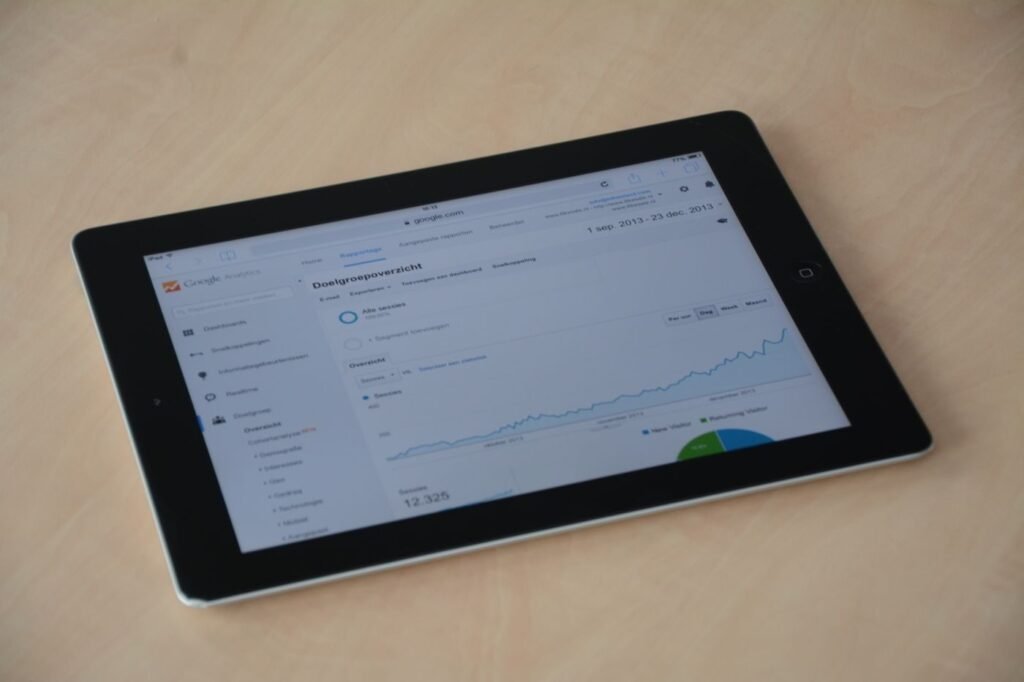
Acquisition and retention
What feeds the other two layers. In London the honest framing is that paid buys you volume at a known cost and earned search lowers that cost over time, so we fund both from one target.
- Delivery experience
Same-day in London, lockers everywhere else
Inside London you can offer same-day or next-day and mean it, and you can offer locker or parcel-shop collection to the growing share of shoppers who prefer it. Locker volumes rose 39% year on year and nearly one in five shoppers now prefer collection to a doorstep drop. Most brands never put either option in front of the customer.

THE PROMISE
Setting a promise you can hold
Carrier mix, dispatch cut-offs, zone-based thresholds and honest transit windows. An accurate two-to-three day promise outperforms an optimistic next-day one that fails, and failed first attempts cost UK retailers an estimated £1.6 billion a year.
- Zone and weight-based thresholds instead of one flat national rate
- Realistic transit windows quoted by region rather than one UK-wide figure
- Locker and parcel-shop collection offered where the shopper prefers it
- Express and same-day options priced so they carry their own cost
THE EXPERIENCE
What happens after dispatch
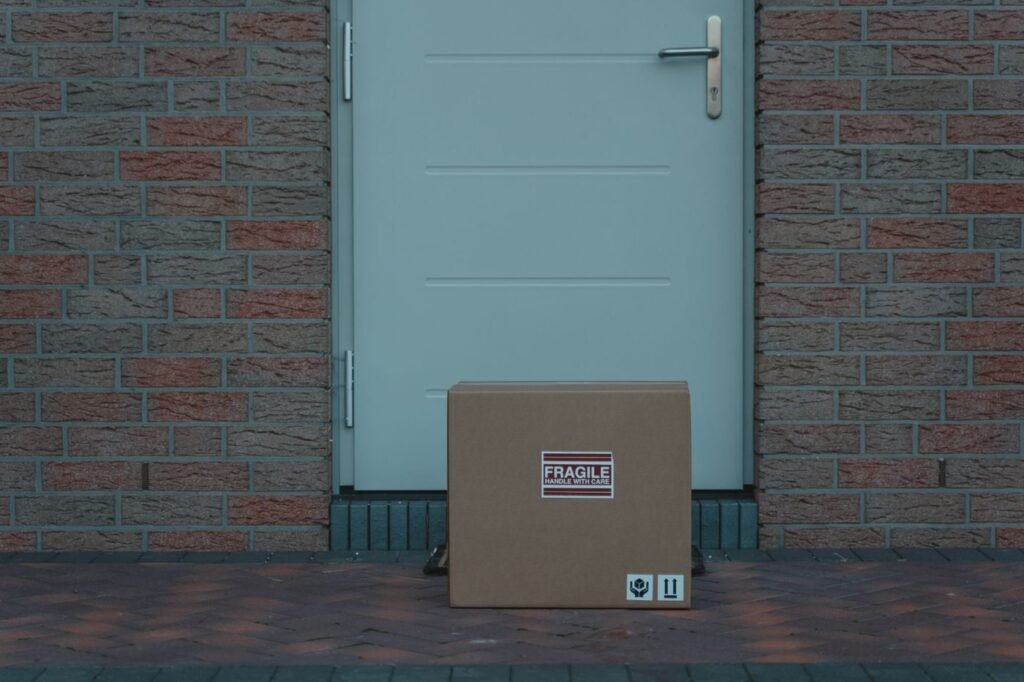
Tracking communication, packaging quality and how simple a return is are all measurable, all fixable, and all strongly correlated with whether a customer orders again. Two thirds of UK shoppers say they will not buy from a brand again after a bad return.
- Proactive tracking updates rather than a bare carrier link
- Packaging that protects the product without inflating freight weight
- A returns policy priced deliberately — a third of the top 100 UK fashion retailers now charge
- Post-delivery flows that convert a good experience into a second order
We do not run your warehouse. We do make sure the promise on the website matches what the warehouse can actually do.
- How we work
Our growth framework
Six steps, in this order, on every engagement. You always know which one you are in.
01
Understand
We start with your margin structure after delivery and returns, your inventory reality and your current channel mix — not with a tactic list.
02
Audit
A full read of the store, the listings, the ad accounts, the lifecycle programme and the analytics — including whether Search Console and GA4 are telling you the truth. We report what is broken, what is wasted and what already works better than you think.
03
Strategize
A ranked plan with an owner, a budget and an expected outcome against each line, ordered so the fastest margin recovery lands first.
04
Execute
One team working to a single calendar across store, marketplaces, media, creative and lifecycle — not five channel plans stapled together at the monthly meeting.
05
Optimize
Weekly reallocation against contribution margin, with a monthly deep review that looks at cohorts rather than last month’s revenue line.
06
Scale
The rest of the UK, then new channels and categories, added only once the London core is profitable and the operation can absorb them. Our wider eCommerce agency work across the UK covers the national picture.
The senior people who scoped the work are the ones who do it. No handover to a junior pod once the contract is signed.
- Why us
Why London brands choose Dazzle Commerce
Three things clients tell us are different about working with us.

One accountable team
Search, store, marketplaces, media, creative and lifecycle under one plan with one owner and one number.
- No finger-pointing between agencies
- One roadmap and one reporting pack
- Senior people on the account, not just the pitch
Delivery treated as strategy
We plan carriers, thresholds, collection options and the post-purchase experience as growth levers, not as an operations afterthought.
- Zone logic instead of one flat national rate
- Transit windows quoted honestly by region
- Post-delivery flows that earn the second order
Margin-first reporting
We report contribution margin after delivery and returns, not just revenue and ROAS.
- Delivery and returns cost inside the numbers
- Cohort value by channel, region and first product
- Budget decisions defended with evidence
Ready to compare us properly? Start with the case studies and what engagements cost.
- Results
What this looks like in practice
Three engagements and the constraint that was actually holding growth back. The second is a UK brand; the other two are not, so read those for the pattern rather than the market.

Home and kitchen brand, United States, DTC plus marketplace
MARKET CHALLENGE
One flat free-shipping threshold across the whole country. Long-haul orders on bulky products were losing money on exactly the range the ads pushed hardest.
STRATEGY
Rebuilt thresholds by zone and product weight, quoted realistic transit windows by region, then re-weighted paid spend toward the lanes where freight cost supported the promise.
SERVICES
eCommerce management, PPC, CRO, marketplace management.
RESULT
Contribution margin recovered without losing volume, and delivery complaints fell once the promise matched what the carrier could do.
+38%
Contribution margin
-21%
Blended CAC
+12%
Repeat rate

Supplements and wellness, United Kingdom, subscription-led
MARKET CHALLENGE
Acquisition cost rising faster than lifetime value, with churn concentrated in the second and third months of the subscription.
STRATEGY
Reworked onboarding and replenishment timing around actual consumption intervals, then rebuilt win-back around the real churn window.
SERVICES
Email and retention marketing, CRO, creative, eCommerce marketing.
RESULT
Longer subscriber life meant acquisition budget could be raised rather than cut, and paid media stopped being the only growth lever.
+29%
Subscriber LTV
-34%
Month-3 churn
+18%
Revenue per email

Consumer appliances, Europe, marketplace-heavy
MARKET CHALLENGE
Listings competing against the brand’s own resellers, with buy-box share falling and returns creeping up on one core model.
STRATEGY
Cleaned up catalogue and variation structure, enforced pricing policy, and rewrote listing content around the specification questions driving returns.
SERVICES
Marketplace management, creative and content, eCommerce SEO.
RESULT
Buy-box share and organic marketplace rank both recovered, and the return rate on the problem model fell within a quarter.
+44%
Buy-box share
-17%
Return rate
+26%
Marketplace revenue
- FAQs
Questions London brands ask us
Why invest in eCommerce SEO when paid search works?
Because London is the most expensive auction in the country and paid cost only goes up. Earned search is the one channel where the cost per order falls as the asset matures. We run both — paid as the floor, earned as the ceiling — and report them against one blended target. The method is on the eCommerce SEO page.
Should we lead with our own store or with marketplaces?
It depends on your category and margin profile. Marketplaces buy reach and speed; your own store buys margin and data. We model both before recommending one — see marketplace management.
Do you work with overseas brands entering the UK through London?
Yes. The first decision is whether stock sits in the UK, because that single choice usually decides whether your delivery promise is competitive. Everything else follows from it.
Is Amazon worth it for a London brand?
Which platforms do you support?
Shopify, WooCommerce, BigCommerce, Adobe Commerce, Wix and Squarespace on the store side, and the major marketplaces on the channel side. Each has its own platform page with the detail.
What size of brand do you usually work with?
Most of our London clients are established brands doing meaningful volume who have outgrown a single-channel setup. We are a poor fit for pre-launch brands with no demand signal yet.
How is the work priced?
Retainer-based, scoped to the channels and service lines in play, with a clear list of what is included. Indicative ranges are on the pricing page.
How quickly do results show up?
Conversion, listing and merchandising fixes usually move within weeks. Earned search in a market as contested as London builds over two to three quarters, and retention compounds behind it. We set a timeline per workstream rather than promising one blended date.
Ready to grow your London brand properly?
Tell us what you sell, which channels you run and where your search visibility stands today. We will come back with an honest read on what is fixable first — and what is not worth doing at all.