Scale. Optimize. Succeed.

Home  ›  Resources  ›  Insights  ›  eCommerce SEO  ›  Category page SEO

Category Pages Are the Most Undervalued Asset in eCommerce SEO

Collection and category pages carry the commercial search demand that individual products never will. A term like “women’s waterproof running shoes” outweighs any single SKU by orders of magnitude — and on most stores that page is a title tag, a product grid and nothing else.

Dazzle Commerce brand mark

The Dazzle Commerce Team
eCommerce Management & Marketing

Updated
5 September 2026

Reading time
7 min read

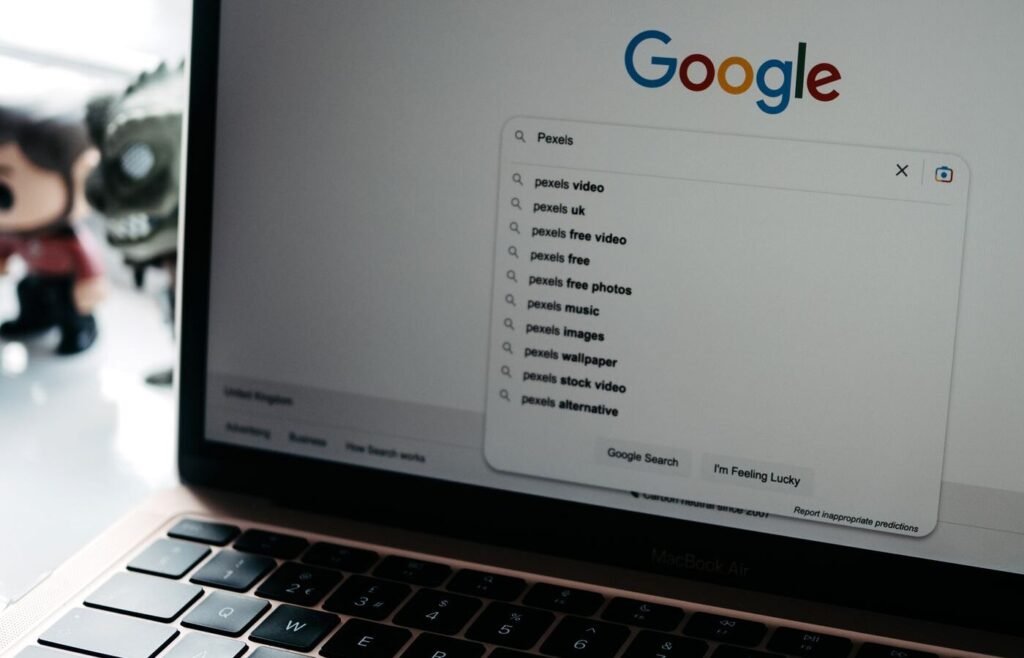
Laptop showing a search engine results page used to research category page demand

Most commercial search demand lands one level above the product, not on it.

Ask most teams where their organic search work goes and the answer is product pages and blog posts. Ask where the commercial demand actually sits and the answer is neither. It sits on the layer in between: the category, the collection, the department page.

This is not a subtle effect. A single product competes for the handful of people searching for that exact item. A category competes for everyone still deciding, which is almost everyone. And the page that serves them is usually the one nobody owns.

KEY TAKEAWAY

Product pages convert demand. Category pages capture it. A store that optimises only the first is paying to acquire traffic it could have earned.

Why category pages carry the demand

Search intent has a shape, and different page types fit different parts of it. Mapping that properly removes most keyword cannibalisation before it starts.

Query type

Example

The page that should rank

Exact product

brand model number

Product page

Category with attributes

waterproof running shoes women

Category or filtered collection

Category, broad

running shoes

Top-level category

Comparison or guidance

how to choose running shoes

Guide or article

Brand plus category

brand running shoes

Brand landing page

If two page types are competing for the same row of this table, one of them should be consolidated or re-pointed rather than optimised harder.

What is missing from most category pages

Five omissions account for most of the gap between a category page and a page that ranks.

1

A heading that matches the demand, not the merchandising tree. Internally the category may be “SS26 Outdoor”. Externally nobody searches that. The H1 belongs to the customer.

2

Copy above and below the grid, doing different jobs. A short orienting paragraph above, the substantive buying guidance below. Burying everything under the fold is a hedge that helps nobody.

3

Internal links to the sub-categories that deserve their own page. Most category pages link downward to products and nowhere sideways, which strands the long tail.

4

Structured data beyond the product grid. Breadcrumb markup and, where genuinely applicable, item list markup. Search engines infer hierarchy from what you declare.

5

An answer to the obvious question. Sizing, compatibility, materials, care. The question that would otherwise send the visitor to a search engine belongs on the page.

Close-up of a search results page showing related searches and refinement terms

Related searches on a results page are a free demand map. Most of those refinements are category pages you have not built.

Faceted navigation: which combinations deserve a page

Filters generate a near-infinite set of URLs, and the temptation is to solve this by indexing none of them. That throws away the most commercially valuable pages you have. The workable rule is that a facet combination earns a page when it has demand, inventory and something to say.

Combination

Index it?

Why

Category + attribute

Yes, when demand exists

Matches how people search, and stays stable over time

Category + brand

Usually

High commercial intent and a genuinely different set of products

Category + two attributes

Selectively

Only where search volume and stock depth both justify it

Category + price band

No

Volatile, thin, and rarely how people phrase a search

Category + sort order

Never

Same products, different order — a duplicate by definition

Anything you do not index still needs a canonical and a crawl directive. Undecided facets are where crawl budget quietly disappears.

Writing category copy people actually read

The block of keyword-stuffed text under the grid is a genre of writing nobody has ever enjoyed. It exists because someone was told the page needed words. Words help, but only these ones:

  • What is in this category and what is not. Two sentences that let the visitor know they are in the right place before they scroll.
  • The decision the visitor is making. Trail versus road, natural versus synthetic, wired versus battery. Frame the choice the grid is asking them to make.
  • The question support gets asked most. Your inbox already knows what it is.
  • Links to the narrower pages. Written into the copy where they make sense, not stacked in a footer block.

Internal linking is the half nobody does

Category pages fail as often from isolation as from thin content. Three linking habits fix most of it.

1

Link sideways between sibling categories where a shopper would plausibly cross over, not just downward into products.

2

Link from articles into categories with the phrase people search, rather than into the home page or a product.

3

Link from the highest-traffic product pages back up to the category, so the page that earns the demand also receives the authority.

1 level up

from the product

Where most commercial search demand actually lands

3 tests

demand, inventory, substance

Before a facet combination earns an indexed page

Sideways

not only downward

The linking direction most stores never use

Rules of thumb from the category rebuilds we run, not published benchmarks.

EXPERT VIEW

“When a store tells us its blog is not converting, the problem is usually that the blog is ranking for terms its category pages should own, and the categories are ranking for nothing at all.”

Dazzle Commerce · Organic search team

If mapping demand to categories is the piece you would rather hand over, it is where our organic search engagements begin.

Measuring the work honestly

Category work is slower to show than a paid change, and easier to misread. Three rules:

  • Report on non-branded category landings, not sessions. Total organic traffic hides what actually moved.
  • Track the page, not the keyword. A category page winning ten mid-tail terms matters more than a rank position on one.
  • Give it a quarter. Architecture changes need crawling, re-indexing and a full demand cycle before the number means anything.

A FIVE-MINUTE VERSION OF THIS ARTICLE

The quickest audit of your own category layer: search three of your best-selling attributes as a customer would phrase them, and see whether you own a page for any of them.

Where this work sits in the practice

Three services that turn a category map into pages that rank.

Demand mapping, category architecture, technical SEO and content built around commercial intent.

Category copy and buying guidance written to be read, not to hit a word count.

Faceted navigation, canonicalisation and template work behind an indexable category layer.

Dazzle Commerce brand mark

WRITTEN BY

The Dazzle Commerce Team

eCommerce Management & Marketing

Dazzle Commerce runs organic search programmes for stores on Shopify, WooCommerce, BigCommerce and Adobe Commerce, alongside marketplace catalogues. Category architecture is usually the first thing we rebuild.

Want your category architecture reviewed?

We will map your current categories against the demand your catalogue can actually serve, and show you which pages are missing. The map is yours either way.